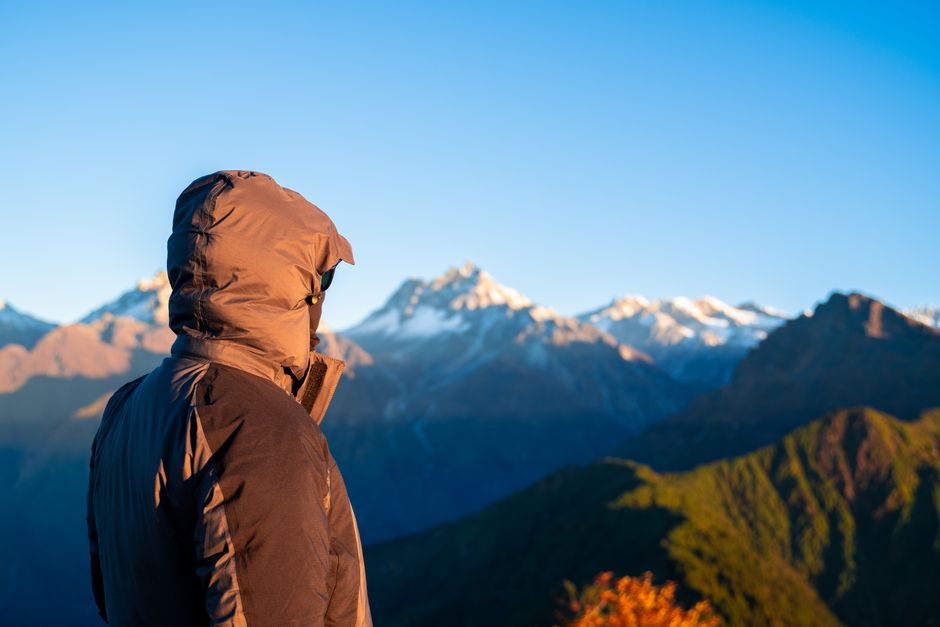
Wondering if you can handle a multi-day trek in the Himalayas without turning the trip into an expensive rescue mission? Yes, but choose a sensible route, carry less than you think, and respect altitude from day one. The best beginner trek is not the most famous one. It is the route with manageable daily distances, regular villages, reliable lodges, and enough time to descend if your body reacts badly.
Which Himalayan Trek Should a Beginner Choose?
Start with the Langtang Valley Trek or a short Annapurna route, not the Three Passes Trek. These routes offer established trails, tea houses, and frequent exit options. Everest Base Camp is achievable, but its popularity does not make it easy. The high point sits at 5,364 metres, and the standard itinerary takes about 12 to 14 trekking days from Lukla with acclimatization built in.
Pick a route with villages and exit points
For a first trip, aim for five to eight trekking days and a maximum sleeping altitude below 4,000 metres if possible. Langtang Valley reaches around 3,870 metres at Kyanjin Gompa. Ghorepani and Poon Hill stay lower, making them better for travellers with limited mountain experience. Annapurna Circuit offers more dramatic altitude changes, but the Thorong La crossing reaches 5,416 metres and requires serious acclimatization.
Use the sleeping-altitude test
Above 3,000 metres, keep your sleeping elevation gain to roughly 300 to 500 metres per day. Add a rest or acclimatization day after two or three higher nights. A route that looks short on a map can still be brutal if it climbs 1,000 metres before lunch. Choose the itinerary with the safer profile. The view will still be there.
What Gear Do You Actually Need?
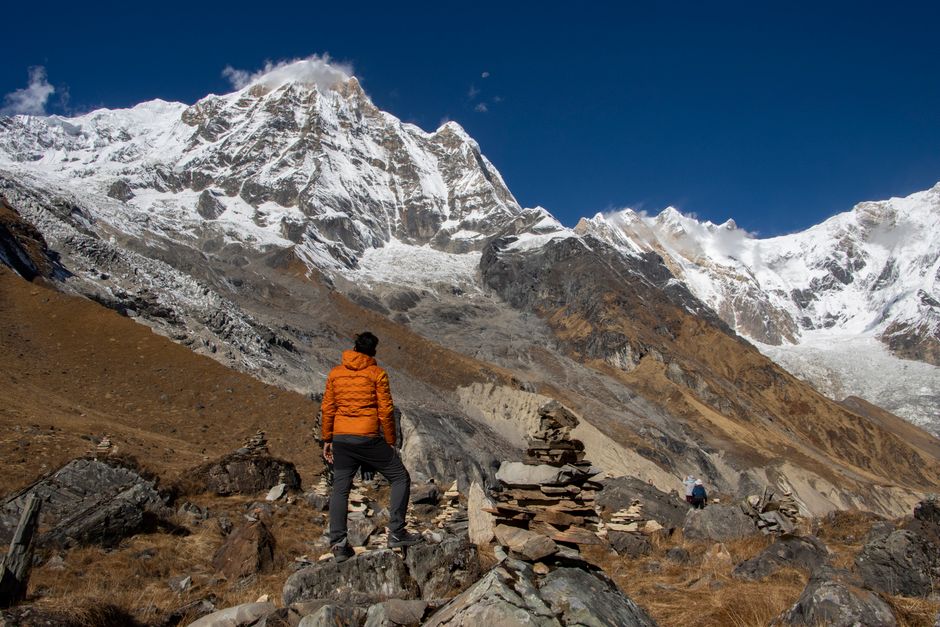
Do not build a Himalayan kit around gadgets. Build it around warmth, dry feet, water treatment, and a pack you can carry uphill for six hours. Most beginners overpack clothing and underpack blister care.
- Backpack: The Osprey Exos 58 weighs about 1.3 kilograms and costs roughly $260. Its 58-litre capacity suits a tea-house trek with a sleeping bag and spare layers. For a porter-supported trip, a 35- to 45-litre pack is enough.
- Sleeping bag: Take a bag rated around -10°C comfort for spring and autumn at higher camps. The Sea to Summit Spark 0°C is a lightweight option at about $450, but a rented down bag can make more sense for one trip.
- Sleeping mat: The Therm-a-Rest NeoAir XLite NXT weighs around 370 grams, packs small, and costs about $210. A mat with an R-value near 4.5 gives useful insulation on cold lodge floors and camping routes.
- Footwear: The Merrell Moab 3 Mid Waterproof costs about $150 and works for many lower-elevation trails. For snow, loose scree, or a technical pass, choose a stiffer boot with a better sole. Waterproof shoes do not fix poor fit.
- Headlamp: The Black Diamond Spot 400 costs about $60 and gives enough output for pre-dawn starts. Carry spare batteries or a power bank because cold drains batteries quickly.
- Communication: The Garmin inReach Mini 2 costs about $400 before the subscription. It is useful on remote routes, but it does not replace a guide, a weather check, or a decision to turn around.
Break in footwear before the flight. Pack two pairs of hiking socks, a small blister kit, sunscreen, lip balm, water purification tablets, and a basic first-aid kit. Leave jeans, cotton hoodies, and three pairs of heavy trousers at home.
Which Permits Do Nepal Treks Require?
Permit planning is route-specific. Treat the paperwork as part of the trek, not a minor airport detail. Nepal’s rules can change, so check the official Nepal Tourism Board TIMS guidance and the restricted-area permit information before booking.
For many protected trekking areas, foreign visitors need a TIMS card and a licensed guide arranged through a registered trekking agency. The Tourism Board currently lists TIMS fees of NPR 2,000 for most non-SAARC visitors and NPR 1,000 for SAARC applicants. National park or conservation-area entry fees are separate.
| Route type | Typical documents | Beginner verdict |
|---|---|---|
| Langtang Valley | TIMS card and Langtang National Park entry permit | Best first high-valley trek |
| Annapurna routes | TIMS card and Annapurna Conservation Area permit | Strong choice with flexible exits |
| Everest region | TIMS requirements, local entry fee, and route-specific checks | Possible, but allow 12–14 days |
| Manaslu or Upper Mustang | Restricted-area permit through a registered agency, plus other area permits | Use a guide and plan early |
Restricted areas require extra care. A special trekking permit may limit the route, dates, or requirement for a minimum number of trekkers. Keep printed and digital copies of your passport, visa, insurance policy, permits, and emergency contacts. Losing a permit in a remote village creates a needless problem.
How Do You Stay Safe Above 3,000 Metres?
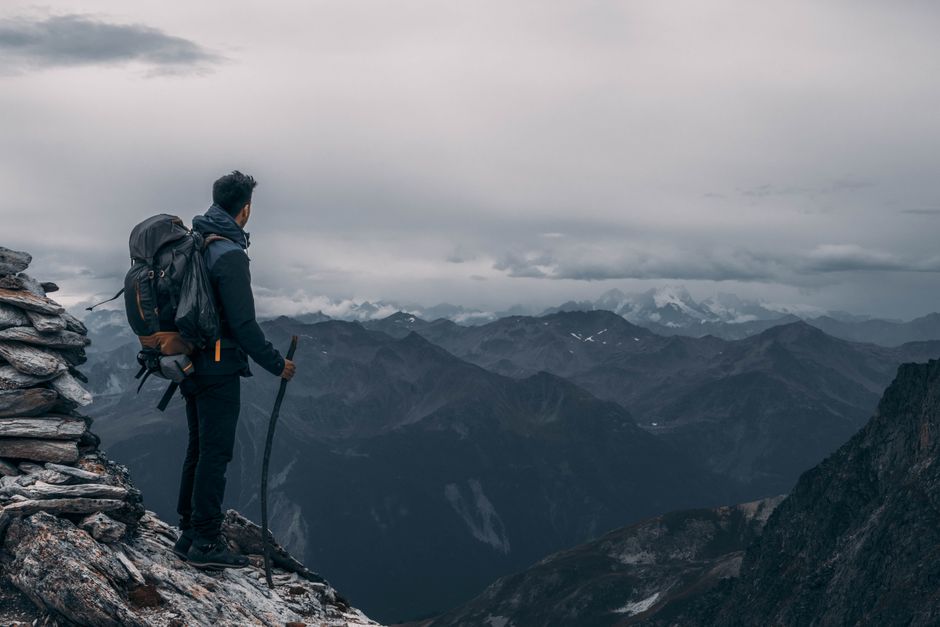
Altitude is the main threat on a multi-day Himalayan trek. Fitness does not make you immune. A strong runner can get sick, while a slower walker can acclimatize well. The winning strategy is boring: climb slowly, sleep lower when the itinerary allows it, drink regularly, and report symptoms early.
What symptoms mean you should stop?
A headache, poor sleep, unusual tiredness, dizziness, nausea, or loss of appetite can signal acute mountain sickness. Do not treat these signs as a character test. Stop gaining altitude until symptoms improve. If symptoms worsen, descend. Confusion, trouble walking straight, breathlessness while resting, blue lips, or a wet cough require urgent descent and medical help. Never let a group vote turn a medical decision into a popularity contest.
How should you pace each day?
Use a pace that lets you speak in short sentences. Take a five-minute break every hour rather than waiting until your legs fail. Eat a snack every two hours: nuts, chocolate, dried fruit, or an energy bar. Drink enough to keep urine pale, but do not force huge amounts of water. Overhydration can also be dangerous.
What mistakes cause the most trouble?
- Flying into a high trailhead and racing uphill the same afternoon.
- Taking sleeping pills or alcohol at altitude.
- Ignoring a guide, porter, or partner who says you look unwell.
- Crossing a high pass in poor weather because a permit or flight schedule feels inconvenient.
- Assuming travel insurance covers trekking above a stated altitude.
Buy insurance that names trekking, emergency evacuation, and your maximum planned elevation. Store the insurer’s assistance number offline. On remote routes, a helicopter may be the only fast evacuation option, and payment rules vary by provider.
What Will the Trek Cost and When Should You Go?
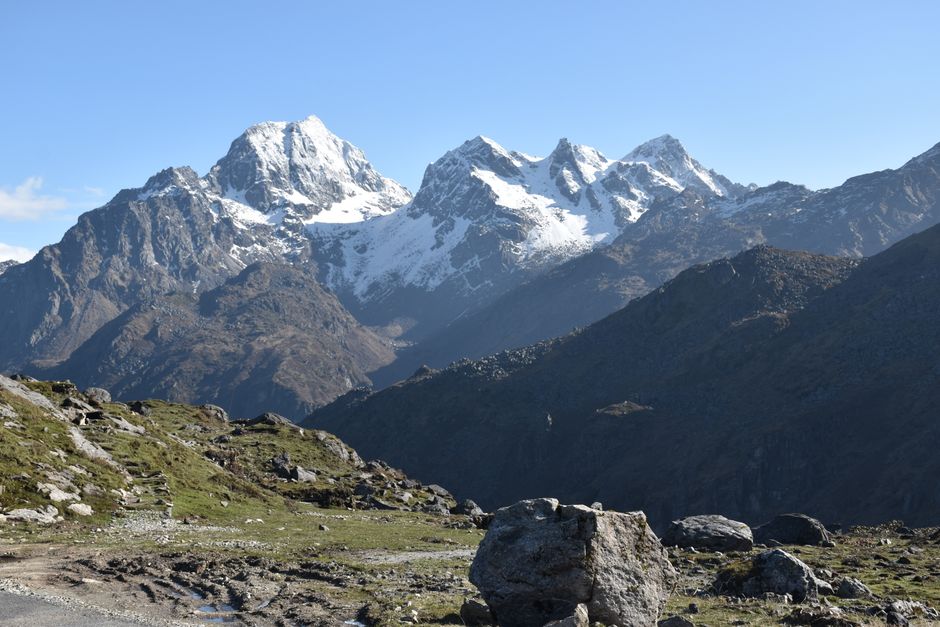
For a first Himalayan trek, spring and autumn are the safest bets for clear trails and better mountain views. March to May brings warmer days and rhododendron blooms. October to November usually offers the clearest skies. The monsoon can bring landslides, leeches, flight delays, and poor visibility. Winter reduces crowds but adds freezing nights and possible snow closures.
Budget around $35 to $70 per day for food, lodging, hot drinks, charging, and small extras on a tea-house trek. Add flights, permits, guide fees, gear rental, insurance, and a contingency fund. A cheap itinerary that leaves no weather buffer is not cheap when one cancelled flight strands you in Kathmandu.
My clear pick for a first trip is a seven-day Langtang itinerary with two nights around Kyanjin Gompa. It gives you real altitude, mountain scenery, villages, and a manageable retreat route. Choose Everest Base Camp only if you can commit to the longer schedule and accept a higher risk of flight disruption.
| Goal | Best choice | Why |
|---|---|---|
| First high-altitude trek | Langtang Valley | Shorter, practical, and easier to exit |
| Lower-risk mountain introduction | Ghorepani and Poon Hill | Lower sleeping elevations and short days |
| Iconic achievement | Everest Base Camp | Excellent route, but needs 12–14 days |
| Remote cultural trek | Manaslu or Upper Mustang | Rewarding, but needs stricter permit planning |