Common travel vaccines fall into two groups: routine shots that protect you anywhere and destination-specific vaccines for diseases found in certain regions. The right list depends on your route, trip length, activities, age, health history, and previous doses.
What are the common travel vaccines?
The practical answer is to start with routine vaccines, then add destination-specific protection. There is no universal injection package for every holiday. A two-week city break in Spain creates a different risk profile from six months of rural travel in Southeast Asia, a safari in East Africa, or a volunteer trip in South America.
Routine vaccines come before travel-only vaccines
Routine vaccines include measles, mumps and rubella; tetanus, diphtheria and pertussis; influenza; polio; chickenpox; COVID-19; and age-based vaccines such as pneumococcal or shingles vaccines. Some travellers also need hepatitis A or hepatitis B because those vaccines may be part of routine schedules in one country but not another. The CDC routine vaccine guidance recommends checking these records before looking at more specialised travel shots.
Destination vaccines protect against specific exposures
The most commonly discussed destination vaccines are hepatitis A, typhoid, yellow fever, rabies, Japanese encephalitis, meningococcal disease, and tick-borne encephalitis. Cholera and polio vaccination may matter for particular routes or outbreaks. Malaria is different: there is no routine malaria travel vaccine for most travellers, so prevention may involve prescription medicine and mosquito-bite protection.
| Vaccine | Main exposure | When it is commonly considered | Planning point |
|---|---|---|---|
| Hepatitis A | Contaminated food and water | Many destinations outside Western Europe, North America, Australia, New Zealand, and Japan | Get the first dose before departure; the second dose is given later for long-term protection |
| Typhoid | Contaminated food and water | Higher-risk travel in South Asia and parts of Africa, Latin America, and Asia | Injectable vaccine is usually given at least 2 weeks before travel |
| Yellow fever | Infected mosquitoes | Risk areas in tropical Africa and South America | Proof may be required; the certificate becomes valid 10 days after vaccination |
| Japanese encephalitis | Infected mosquitoes | Long stays or rural outdoor travel in parts of Asia and the western Pacific | The primary series needs advance planning |
| Rabies | Bites or scratches from infected mammals | Remote travel, animal contact, caving, or limited access to medical care | Pre-exposure vaccination does not remove the need for medical care after a bite |
The table is a starting point, not a personal prescription. Country requirements and disease patterns can change, so check the destination page for each country on your itinerary.
Which routine vaccines should travellers check first?

Measles protection deserves the first review because international flights can carry outbreaks across borders quickly. Travellers should also check tetanus, diphtheria, pertussis, polio, influenza, COVID-19, and chickenpox records. A missing childhood dose can matter more than a rare destination vaccine.
Measles, mumps and rubella
Many adults assume that childhood vaccination records are complete when they are not. Adults born in different years or countries may have received different schedules, and some records were never transferred after a move. CDC travel guidance says international travellers should be fully vaccinated against measles before travel. Infants and people with uncertain records need an individual schedule, especially if an early dose is being considered.
Tetanus, polio and influenza
A dirty cut from a scooter accident, hiking fall, or beach injury can turn a missed tetanus booster into a travel problem. Polio vaccination deserves special attention for travel to areas with active transmission or international vaccination requirements. Influenza is easy to overlook because people associate it with winter, yet the season may be different in the country you are visiting. Bring your official immunization record, not a memory-based list.
Do not replace routine vaccines with a travel clinic’s destination package. The clear recommendation is to update routine protection first, then discuss additions that match your route. This approach covers common respiratory and wound-related risks before focusing on rarer diseases.
When are hepatitis A and typhoid vaccines useful?
For most travellers worried about food and water, hepatitis A is the stronger first choice; typhoid is a more selective add-on. Both vaccines reduce risk, but neither makes unsafe food or untreated water safe. Street food, small-town travel, visiting friends and relatives, long stays, and limited access to clean facilities can change the calculation.
Hepatitis A protects against a common travel exposure
Hepatitis A spreads through contaminated food and water and can also pass from person to person. Many travellers receive a first dose before departure and a second dose at least six months later, depending on the vaccine used and local schedule. Products such as Havrix and Vaqta are examples of hepatitis A vaccines used in some markets; availability, age indications, and dosing rules vary by country.
Do not delay the appointment because the full series cannot be completed before the flight. A first dose can still be useful, and a clinician may discuss immune globulin for certain high-risk last-minute travellers. People with liver disease, immune suppression, or other medical concerns need personalised advice.
Typhoid vaccination has a narrower target
Typhoid risk is linked to sanitation and food handling, with higher concern in parts of South Asia and selected areas of Africa, Latin America, and Asia. The injectable Typhim Vi vaccine is generally given at least two weeks before travel. The oral Vivotif course uses multiple capsules taken on a schedule and must be completed before departure. The exact product, age range, and booster timing depend on the country where it is prescribed.
A typhoid shot is not a licence to eat anything from anywhere. The most common failure is treating vaccination as a substitute for handwashing, bottled or treated water, and food served hot. For a short resort stay with controlled food service, typhoid may add less value than for a month of local travel and frequent meals in small towns.
Do you need yellow fever vaccination for your trip?
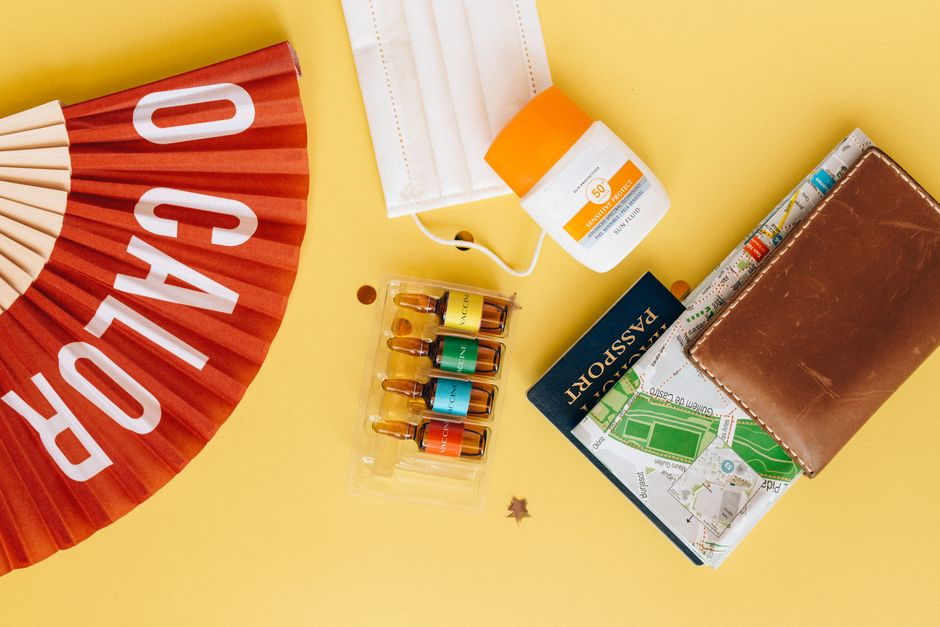
Yellow fever is the vaccine that can affect both health and border entry. It is recommended for risk areas in tropical Africa and South America, but requirements are country-specific and can apply after transit through a risk country. A single dose usually provides lifelong protection, while the International Certificate of Vaccination or Prophylaxis becomes valid 10 days after vaccination.
Recommendation and requirement are not the same
A country may require proof of vaccination even when your exact destination has little or no yellow fever transmission. Entry rules can depend on where you arrived from, how long you transited, and the countries visited earlier in the trip. Use the official destination guidance and check the embassy or consulate before departure. The World Health Organization vaccine guidance explains the difference between routine vaccines, selective traveller vaccines, and international requirements.
Medical exceptions need proper documentation
Yellow fever vaccine is a live vaccine. Infants, pregnant travellers, people with severe immune suppression, and some people with serious allergies or other conditions may need a careful risk-benefit assessment. A waiver letter may not be accepted by every border authority. Do not wait until the airport to discover that a medical exemption needs a specific form or authorised clinic stamp.
The common mistake is booking a flight first and researching yellow fever later. Arrange the assessment early, carry the original certificate, and keep a digital copy separately. Even after vaccination, use repellent, long clothing, screens, or bed nets because mosquitoes can spread other infections for which this vaccine offers no protection.
Which travellers should consider rabies or Japanese encephalitis vaccines?
Choose these vaccines based on exposure and access to care, not on the country name alone. A traveller spending ten days in central Tokyo has a different risk from someone cycling between rural villages, sleeping outdoors, or working with animals in the same broad region. The most useful question is: if exposure happens, how quickly can I reach reliable medical treatment?
Rabies: the issue is access after an animal bite
Rabies spreads through saliva from an infected mammal, usually through a bite or scratch. Pre-exposure vaccination can simplify treatment after exposure, but it does not mean a bite can be ignored. Travellers still need urgent medical assessment and may need additional vaccine doses. The vaccine deserves more attention for adventure travel, long stays, work with animals, caving, cycling in remote areas, or destinations where rabies treatment may be difficult to obtain.
Children deserve particular planning because they may approach dogs, monkeys, bats, or other animals before an adult can stop them. The failure mode is assuming that a friendly-looking animal is safe. Do not touch unfamiliar mammals, and seek urgent care after any bite, scratch, or saliva contact with broken skin.
Japanese encephalitis: duration and setting matter
Japanese encephalitis is spread by mosquitoes in parts of Asia and the western Pacific. Vaccination is commonly recommended for people moving to an endemic area, staying for a month or longer, travelling repeatedly to risk areas, or spending substantial time outdoors in rural or agricultural settings. Shorter trips may still justify it when the itinerary includes camping, hiking, farming areas, or accommodation without air conditioning, screens, or bed nets.
Ixiaro is an example of a Japanese encephalitis vaccine used in some countries. It is given as a two-dose series, with the timing depending on age and schedule. Finish the primary series at least one week before travel when possible. The vaccine is not a replacement for repellent because mosquitoes can transmit several diseases.
How far in advance should you arrange travel vaccines?
Book a travel-health appointment four to six weeks before departure. That window allows time to review records, complete multi-dose schedules, manage side effects, locate yellow fever clinics, and adjust the plan if your itinerary changes. The CDC pre-travel checklist uses the same four-to-six-week planning target.
- List every stop. Include airport transits, cruise ports, side trips, rural nights, and border crossings. A vaccine recommendation can change after adding one country.
- Write down your activities. Hiking, animal handling, healthcare work, visiting relatives, sexual contact, freshwater swimming, and long-term stays create different exposures.
- Bring records and medication details. Include childhood vaccine records, allergy history, pregnancy status, immune conditions, and current medicines.
- Ask what is required versus recommended. Required means a government may ask for proof at entry. Recommended means a health authority advises vaccination for your protection.
- Make a last-minute plan if needed. Some vaccines can use accelerated schedules, and a first dose may still help. Yellow fever proof, however, generally needs 10 days before it becomes valid.
Do not buy a large package of vaccines simply because a clinic offers one. Ask the provider to connect each vaccine to a destination, exposure, or entry rule. This makes the decision clearer and helps avoid unnecessary doses.
What mistakes should travellers avoid after vaccination?
The biggest mistake is treating a vaccine as complete travel protection. Vaccines lower the risk of selected infections; they do not stop every illness picked up abroad. Food hygiene, mosquito protection, safe sex, careful animal avoidance, handwashing, and access to medical care still matter.
Do not assume one country has one risk level
Risk can differ between a capital city, a rural province, and a forest itinerary. A short trip to a well-screened hotel may call for a different plan from a long stay with local communities. Search each destination separately and check updates close to departure. Country rules can change, especially during outbreaks or major religious events.
Do not ignore health conditions or pregnancy
Pregnancy, immune suppression, severe allergies, a history of vaccine reactions, very young age, and older age can change the safety assessment. Live vaccines such as yellow fever require particular care. A travel clinic should know the complete route and the reason for travel before making a recommendation.
Do not confuse vaccination with insurance
Travel insurance may help with emergency treatment, evacuation, or trip disruption, but a policy does not prevent infection and may exclude care linked to an undisclosed medical condition. Read exclusions before departure and carry proof of vaccination separately from your passport. For most travellers, the sensible order is simple: update routine vaccines, match additional vaccines to the itinerary, and keep a plan for exposure after arrival.