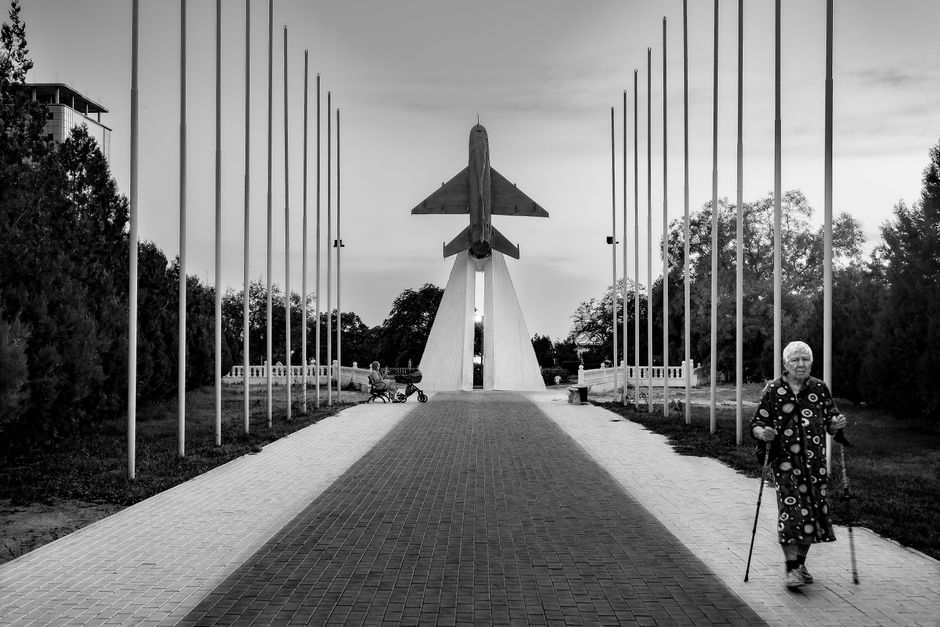
A medieval village at 760 metres above sea level is hiding in Portugal’s interior. That is Sortelha, a granite-walled village most visitors skip while rushing between Lisbon, Porto, and the Algarve. Portugal’s best travel experiences are often found in places that need a car, a slower timetable, and one extra night.
These 10 hidden gems are not random stops pulled from a map. They cover hilltop castles, schist villages, Atlantic beaches, Roman history, dark skies, and quiet river landscapes. The strongest plan is to choose one region and explore it properly instead of trying to collect all 10 in a frantic week.
How to choose Portugal hidden gems that fit your trip
Start with the landscape, not the map
The first decision is simple: decide what kind of Portugal you want to experience. For medieval walls and wide views, choose the Alentejo and central borderlands. For hiking and dramatic villages, head into the Serra do Açor and northern Minho. For beaches, cliffs, and seafood, stay on the Alentejo coast and western Algarve.
Do not treat these destinations as interchangeable. Monsaraz is excellent for sunset and stargazing but poor as a base for coastal days. Piódão is visually spectacular but sits deep in the mountains. Vila Nova de Milfontes gives you beaches and restaurants, yet it does not make sense as a quick side trip from Marvão.
Use a three-question filter
- How much driving can you tolerate? Inland villages often require slow roads and mountain bends. Add more time than the map suggests.
- Do you want a base or a one-night stop? Vila Nova de Milfontes and Aljezur deserve two nights. Évoramonte and Sortelha work well as one-night stops.
- What will still be open when you arrive? Small museums, castle interiors, and village restaurants can keep short hours outside summer. Check locally before building a day around one attraction.
The best choice for most first-time visitors is a compact Alentejo route. It gives you history, food, dark skies, and manageable distances without forcing you into another big-city schedule.
Why Monsaraz and Marvão are the strongest first picks
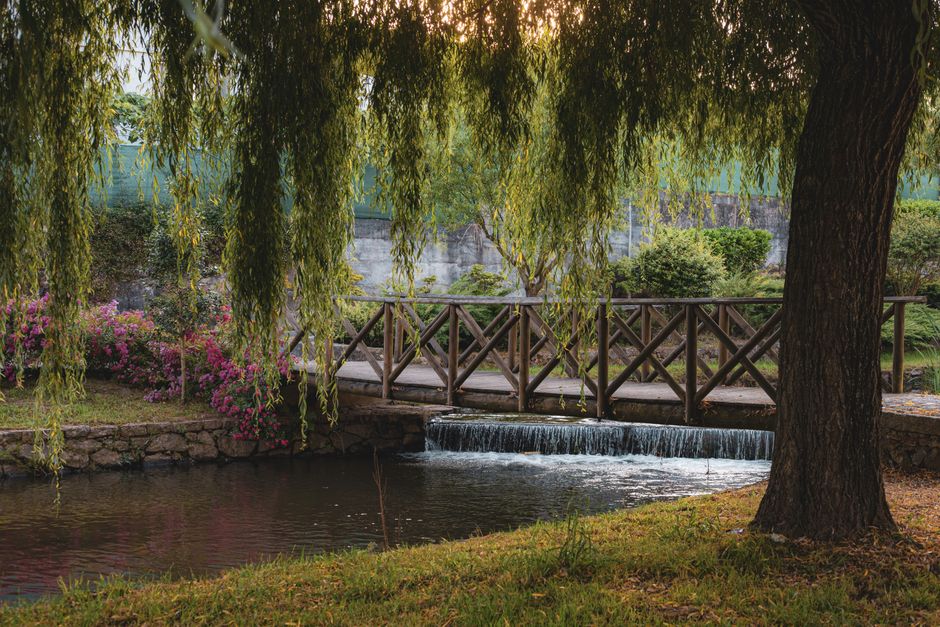
Start with Monsaraz if you want the highest reward for the least planning. The walled village rises above Alqueva Lake, and its narrow lanes, whitewashed houses, and castle walls are easy to explore in half a day. Stay overnight and the place changes character. The crowds thin out, the heat drops, and the huge sky becomes the main attraction.
Monsaraz for dark skies and slow evenings
Monsaraz is the best pick for couples, photographers, and anyone who thinks a good trip needs room to breathe. Walk the castle ramparts before sunset, then look toward Alqueva after dark. The surrounding region is known for unusually clear skies, so a guided stargazing session makes more sense here than another crowded viewpoint.
The mistake is using Monsaraz as a rushed lunch stop. Arriving at noon in July, taking two photographs, and leaving misses the reason to come. Book one night near the village, carry water, and plan outdoor walking for early morning or late afternoon.
Marvão for castles and mountain air
Marvão wins for pure drama. It sits on a high ridge in the Serra de São Mamede, close to the Spanish border, with a castle that looks built into the mountain. The views stretch across the eastern Alentejo, and the village itself is compact enough to explore on foot.
Pair the castle with nearby Castelo de Vide or the Roman ruins of Ammaia. Marvão is the better choice for history and elevated scenery; Monsaraz is better for open landscapes and evening atmosphere. Add Évoramonte if you want a third hilltop stop, especially for its unusual circular castle and views over the Alentejo plain.
The mountain villages worth the detour
Sistelo is the best northern walking stop
Sistelo, near Arcos de Valdevez, is known for its small agricultural terraces cut into the hillsides. The landscape feels carefully shaped rather than wild. Stone paths, green slopes, traditional granaries, and views across the Vez valley make it a strong choice for walkers who do not need a major monument every hour.
Go in spring for greener hills or early autumn for cooler trails. Wear proper shoes. The village is small, but the surrounding paths can be uneven and slippery after rain. Sistelo works best with Peneda-Gerês National Park, not as a standalone cross-country detour from the south.
Piódão and Sortelha deliver two different kinds of history
Piódão is Portugal’s most cinematic mountain village on this list. Its dark schist houses sit in an amphitheatre below the Serra do Açor, with blue-painted doors and windows breaking up the grey stone. The isolation helped preserve the village, but it also creates the main drawback: access is slow. Give yourself a full day for the drive, the village walk, and nearby Foz d’Égua.
Sortelha offers a sharper historical experience. Its granite houses, defensive walls, Gothic gateway, and hilltop castle still read as a medieval settlement rather than a themed attraction. At roughly 760 metres, it can feel exposed and cold outside summer. Choose Sortelha for architecture and castle views; choose Piódão for scenery and photography.
Dornes is the quieter alternative. Its unusual pentagonal Templar tower stands beside the Zêzere River and the Castelo de Bode reservoir. It is not a full-day attraction, and that is the point. Combine the tower, the waterside walk, and a relaxed lunch instead of forcing it into a packed sightseeing schedule.
Which Atlantic and river towns deserve a stop?
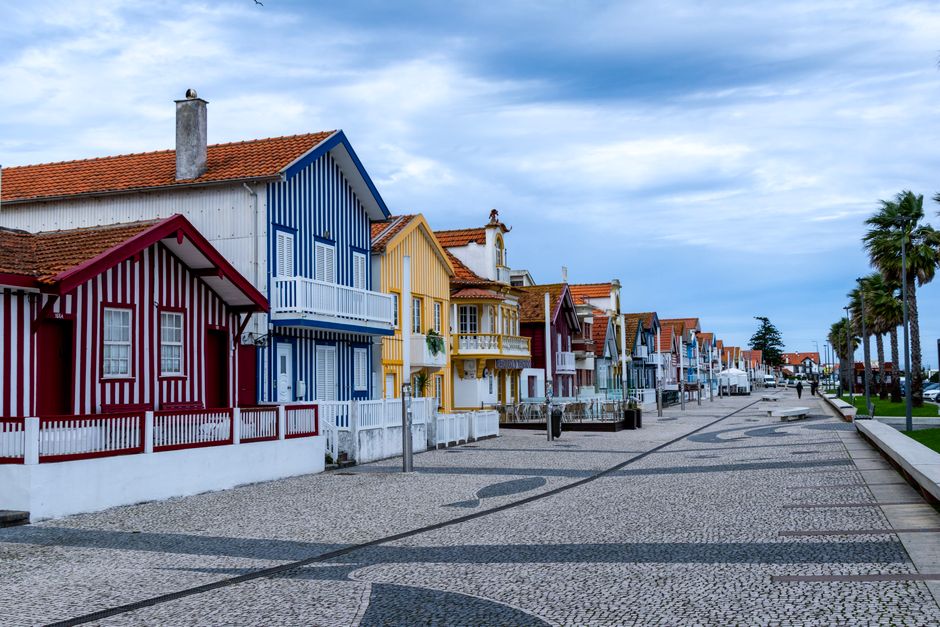
Is Mértola better for history than beaches?
Yes. Mértola is the clear choice for layered history. The white town overlooks the Guadiana River and preserves Roman, Islamic, medieval, and Christian traces in a network of museum sites. The former mosque, now a church, is the standout detail: one building shows how Portugal’s history changed without erasing every earlier layer.
Mértola is hot in summer and spread across steep streets. Visit the castle and museums early, then eat beside the river. It is a poor choice for travelers who want a beach every afternoon, but an excellent stop for people who prefer a place with a real story.
Should you choose Vila Nova de Milfontes or Aljezur?
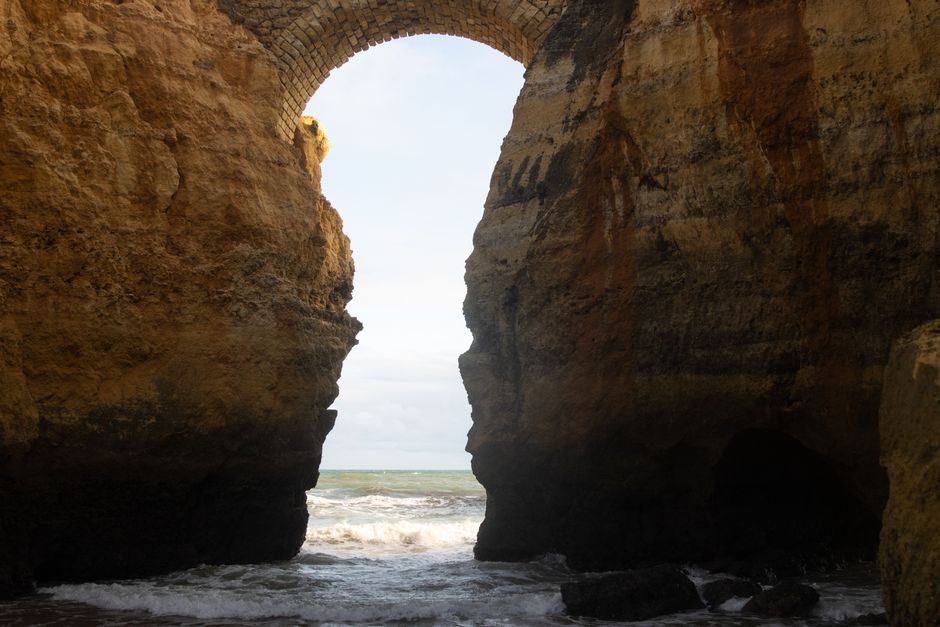
Choose Vila Nova de Milfontes for an easy coastal base. It sits at the mouth of the Mira River, with river views, ocean beaches, boat trips, and enough restaurants for a two-night stay. The town is more practical than secluded, which makes it the better choice for a first visit to the Costa Vicentina.
Choose Aljezur for a wilder feel. Its hilltop castle overlooks a valley, while Arrifana and Amoreira offer very different beach landscapes nearby. The tradeoff is simple: Milfontes is easier, Aljezur is more atmospheric. Do not book either as a quick day trip from Lisbon during peak summer traffic. You will spend too much of the day in the car.
How to turn 10 places into a sane 10-day route
Rent a car for the inland route. Public transport can connect major cities, but these villages are not arranged around one clean tourist line. CP Comboios de Portugal is useful for reaching Évora, Beja, Coimbra, or other regional hubs, while CP Alfa Pendular and Intercidades are best for longer city-to-city journeys. Rede Expressos can cover some coach connections, but the final stretch to a hill village may still require a taxi.
A practical route order
- Begin in Évora or another large Alentejo base.
- Drive to Évoramonte, then continue to Monsaraz for one night.
- Head east to Marvão and stay near the Serra de São Mamede.
- Move north through Sortelha and Dornes before reaching Piódão.
- Continue toward Sistelo if you have enough time for the northern mountains.
- Finish south at Mértola, Vila Nova de Milfontes, and Aljezur.
When flying or using buses makes more sense
TAP Air Portugal is relevant only if you are adding Madeira or the Azores; it does not solve the mainland village problem. For a mainland trip, fly into Lisbon or Porto, collect the car, and return it in the same region when possible. One-way rental fees can erase the value of a supposedly efficient route.
Do not try to see all 10 in 10 calendar days if you dislike driving. A better version is five stops: Monsaraz, Marvão, Piódão, Vila Nova de Milfontes, and Aljezur. You will see more, eat better, and spend less time checking the arrival time.
Which hidden gem should you choose?
The short verdict
Pick Monsaraz for the best all-round first stop. Pick Piódão for the most memorable scenery. Pick Marvão for castles, Mértola for history, and Vila Nova de Milfontes for an easy coastal base. These are the places most likely to justify the extra driving.
Comparison summary
| Hidden gem | Best for | Ideal stay | Access verdict |
|---|---|---|---|
| Monsaraz | Lake views and stargazing | 1 night | Easy by car |
| Marvão | Castle and mountain views | 1 night | Car strongly preferred |
| Évoramonte | Hilltop scenery and a quiet stop | Half to 1 night | Easy by car |
| Sistelo | Walking and green valleys | 1 night | Car preferred |
| Piódão | Schist architecture and photography | 1 night | Slow mountain roads |
| Sortelha | Medieval walls and granite houses | Half to 1 night | Car preferred |
| Dornes | Reservoir views and Templar history | Half to 1 night | Best as a driving stop |
| Mértola | Roman and Islamic heritage | 1 night | Car or regional bus plus taxi |
| Vila Nova de Milfontes | Beaches and a practical coastal base | 2 nights | Car or coach connection |
| Aljezur | Cliffs, beaches, and a rural feel | 2 nights | Car preferred |
The strongest 2026 plan is not the one with the most pins saved. It is the route that gives each landscape enough time to show itself. Portugal’s hidden side rewards patience, and these 10 places make that trade worthwhile.