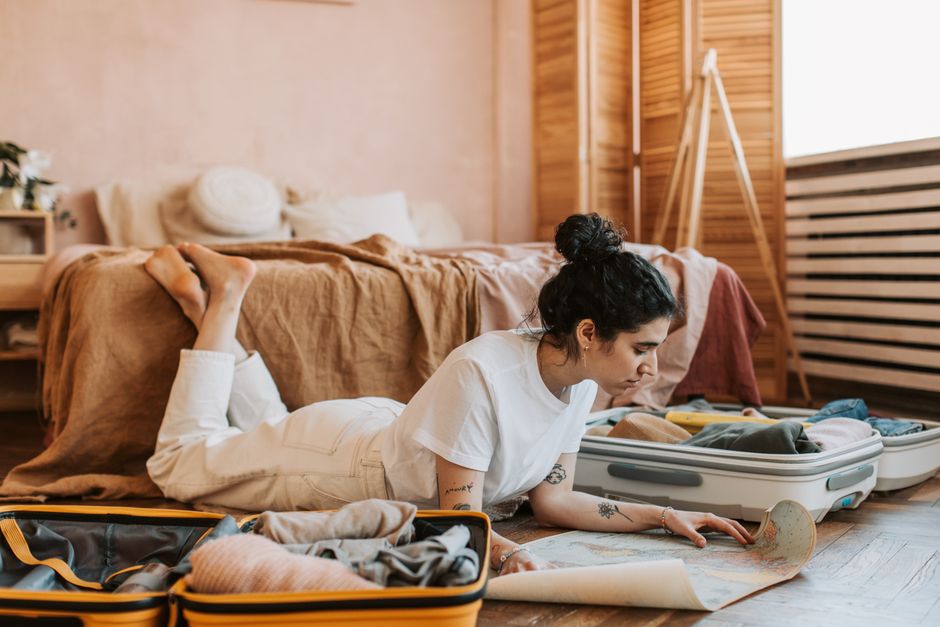
Your flight leaves in ten days, the suitcase is open on the floor, and you are staring at three winter coats in a warm country. That is the point where most people pack badly. A move abroad is not a long holiday. You need enough for your first weeks, not every object you own.
Start With the First 72 Hours, Not Your Whole Life
Pack the first-day bag
Your hand luggage should keep you functional if checked bags arrive late. Put your passport, visa or entry approval, medication, phone charger, one change of clothes, basic toiletries, glasses, a pen, and your accommodation address inside it. Add digital and paper copies of your flight booking, insurance policy, employment or university paperwork, and emergency contacts. Keep medication in its original packaging and carry prescriptions when local customs rules may require proof.
Build a two-week wardrobe
Pack clothing for roughly fourteen days, then stop. Choose five tops, three bottoms, one smart outfit, seven pairs of underwear, seven pairs of socks, sleepwear, a light layer, and shoes that work for walking. Add climate-specific items only after checking the actual weather at your destination. A waterproof shell matters in Scotland; heavy thermal layers do not belong in a tropical arrival city. The rule is simple: pack for your arrival season, then buy specialist items locally if you still need them.
Best verdict: your first 72 hours matter more than your entire first year. Documents, medication, chargers, comfortable clothes, and a way to sleep are the true essentials.
How Many Bags Should You Take on Moving Day?
The practical luggage setup
For most international moves, the best setup is one checked suitcase, one carry-on, and one personal item. That combination keeps your hands free during transfers and gives you enough capacity for a two-week start. A 40L carry-on such as the Osprey Farpoint 40 costs about $185 and measures roughly 22 x 14 x 9 inches, depending on the version. It works well for clothes and electronics, but it is not a magic solution for bulky coats or kitchen items.
| Bag | Target contents | Useful limit | Verdict |
|---|---|---|---|
| Checked suitcase | Clothing, shoes, towels, weather gear | Usually 23 kg | Use the largest allowance you have paid for |
| Carry-on | Documents, electronics, medication, valuables | Usually 7–10 kg | Keep it light enough for stairs and trains |
| Personal item | Passport, wallet, water bottle, charger, snacks | Under-seat size | Keep this bag with you at all times |
When a second checked bag makes sense
Pay for another checked bag only when the contents would cost more to replace than the fee. A good second bag contains professional clothing, specialist equipment, or items that are expensive in your destination country. It should not contain books, cheap toiletries, or duplicate jeans. The Patagonia Black Hole 55L duffel, around $169, is useful for soft items because it compresses into awkward spaces, but it is less comfortable than a wheeled case through a large airport.
The winner is one checked case plus a 40L carry-on. Add the second checked bag only for a long-term contract, a remote location, or a destination with high replacement costs.
My Packing Verdict: Take Less Than You Think
The hard limit
The reason it works
Take one checked bag, one carry-on, and one personal item unless your airline allowance or destination makes that impossible; the lighter setup wins because every extra kilogram becomes a handling problem on airport buses, narrow staircases, trains, and the first grocery trip, while almost every everyday item can be replaced after arrival for less than the cost of dragging it across a border. Keep the things that are costly, hard to replace, legally necessary, or tied to your health, including prescriptions, work documents, passports, sentimental pieces that fit in one small container, and electronics you already own, but leave behind bulky bedding, basic cookware, full-size toiletries, duplicate shoes, and books you can access digitally. If you cannot explain why an item must travel with you rather than be bought or borrowed within thirty days, it does not earn space in the bag. The clear choice for most movers is a compact, washable wardrobe and a carefully protected document kit, not a collection of “just in case” objects that turns the first week in a new country into a luggage-management project.
Use This Order When You Pack
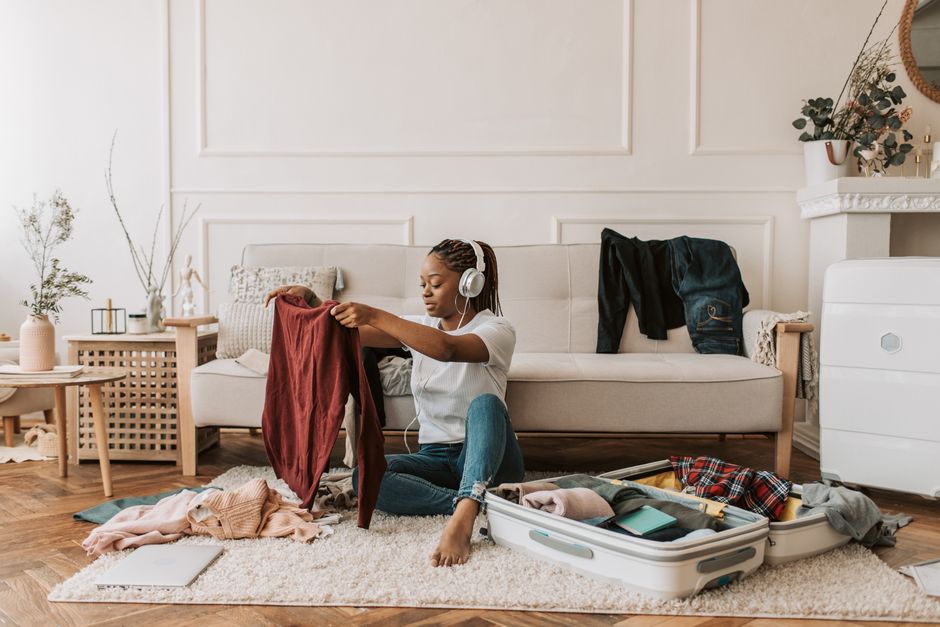
A sequence that prevents last-minute panic
- Check the rules. Confirm baggage limits, customs restrictions, medication rules, and import limits for food, plants, alcohol, and animal products.
- Make a document folder. Keep originals in your personal item and copies in encrypted cloud storage.
- Set aside valuables. Jewelry, cash, passports, laptops, cameras, and hard drives stay out of checked luggage.
- Choose the wardrobe. Build outfits, not piles. Each pair of trousers should work with at least three tops.
- Pack heavy items low. Put shoes, dense chargers, and small equipment near the wheels of a suitcase.
- Use compression carefully. Compression bags save volume but can push a case over the weight limit.
- Label every bag. Add your name, destination address, phone number, and a second contact outside the destination country.
- Weigh everything. A $20 luggage scale is cheaper than an overweight-bag charge and exposes bad decisions early.
What not to seal inside
Do not pack loose batteries, passports, cash, essential medication, or irreplaceable documents in checked luggage. Do not hide prohibited food under clothing and hope customs will miss it. That can create delays, fines, or confiscation before your new life has even started. The Apple AirTag, priced around $29, can help locate a checked bag, but it does not replace an airline baggage claim, a visible luggage tag, or travel insurance.
Follow the sequence above and the final packing session becomes a check, not a crisis.
Choose Storage Tools That Solve a Real Problem
Use packing cubes for access, not decoration
Packing cubes earn their place when you need to find work clothes without emptying the case. Eagle Creek Pack-It Reveal cubes cost about $30 for a small set and separate underwear, casual clothes, and formal pieces. They do not reduce the weight of your luggage. They simply stop loose clothing from becoming a single wrinkled mass. That distinction matters when space feels tight.
Protect the items that can fail
Put liquids in a sealed pouch, protect glasses in a hard case, and place electronics in padded sleeves. A universal adapter such as the EPICKA Universal Travel Adapter, often around $25, is useful for the first days, but check your destination voltage before plugging in a hair dryer or electric shaver. An adapter changes the plug shape; it does not always convert voltage. For dual-voltage devices, look for an input range marked 100–240V. For single-voltage devices, buy the correct local replacement instead of gambling with an expensive appliance.
Skip vacuum bags for delicate wool, linen, or clothing you need to wear immediately. They save volume but create hard, dense blocks and can crease garments badly. For long-term travel, the best tool is a cube system plus one laundry bag, not a suitcase packed like a storage unit.
Common Questions About a Moving Abroad Packing List
Should I pack towels and bedding?
Pack one quick-dry towel if your first accommodation is uncertain. Skip bedding unless your host, employer, or housing provider confirms that none will be supplied. A towel is compact and useful on arrival; a duvet is bulky, climate-specific, and easy to buy locally. The Sea to Summit Airlite Towel starts at roughly $20 and packs far smaller than a cotton bath towel, making it the better emergency choice.
How many pairs of shoes should I bring?
Bring two or three pairs: comfortable walking shoes, weather-appropriate footwear, and one smarter pair if your work or social life needs it. Wear the heaviest pair during transit. Four or five pairs usually signal that you are packing for imagined versions of your life. Choose shoes you have already worn for a full day. New footwear can create blisters exactly when you are walking through unfamiliar streets to set up a bank account or buy groceries.
What should I buy after I arrive?
Buy cheap, bulky, or local-standard items after arrival: hangers, cleaning supplies, basic cookware, full-size shampoo, cheap umbrellas, and duplicate chargers. Buy them only after seeing the room and checking local prices. The correct order is arrive, inspect, measure, then shop. That prevents you from carrying objects that do not fit the new home or use the wrong electrical standard.
These answers point to one practical rule: travel with the items that protect your health, identity, work, and first week. Everything else can wait.
Build a Move That Leaves Room for the New Place
Plan for climate, customs, and local life
The hardest packing decisions come from uncertainty. People bring too many clothes because they do not know the weather, too much food because they distrust local shops, and too many household items because an empty room feels frightening. Replace guesses with three checks: look at the seasonal forecast, read the destination customs guidance, and ask your accommodation what it already contains. These checks remove most of the unnecessary weight before you touch the suitcase.
Leave capacity for the next chapter
Do not fill every pocket. Leave about 15 percent of your checked-bag space empty for documents, purchases, and the small objects that make a new room feel familiar. Keep a simple inventory with photographs of valuable electronics and serial numbers. If you are moving for work, separate your first-week office clothes from casual items so you can start quickly without unpacking everything. If you are moving for study, prioritize a laptop, chargers, required paperwork, and one reliable outfit over decorative supplies that you can buy near campus.
Final verdict: the best moving abroad packing list is short, organized, and built around the first two weeks. Use one dependable checked case, a carry-on for anything important, and a personal item for immediate access. The future of travel packing is moving toward lighter luggage, better tracking, and local buying after arrival; travelers who plan around that reality will spend less time hauling possessions and more time settling into the place they chose.