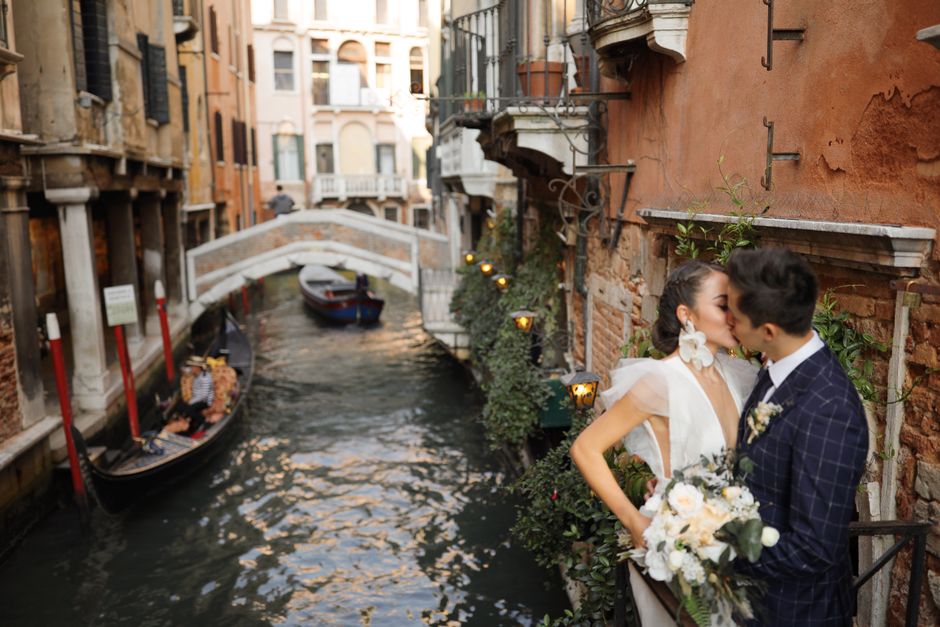
Looking for an LGBTQ-friendly honeymoon destination that feels romantic, welcoming, and easy to plan? Start with Portugal. It offers the best mix of legal protection, beautiful hotels, short transfers, strong food culture, and enough variety for a seven-day trip. Thailand is the better beach-value choice, while New Zealand wins for couples who want scenery and a road trip.
Which LGBTQ-friendly honeymoon destination is best overall?
Portugal is my clear overall pick. Lisbon gives you walkable streets, rooftop restaurants, river views, and a visible LGBTQ+ scene. The Algarve adds warm beaches and private villas without forcing you to change countries or take another long-haul flight. Same-sex marriage has been legal nationally since 2010, and the country is easy to navigate for English-speaking visitors.
Build the trip around two bases. Spend three nights in Lisbon, then take a train or hire a car for four nights in Lagos, Albufeira, Tavira, or another Algarve town. That split gives you city energy at the start and a slower, more private finish. It also keeps travel fatigue low, which matters after a wedding.
Best destination for a beach honeymoon
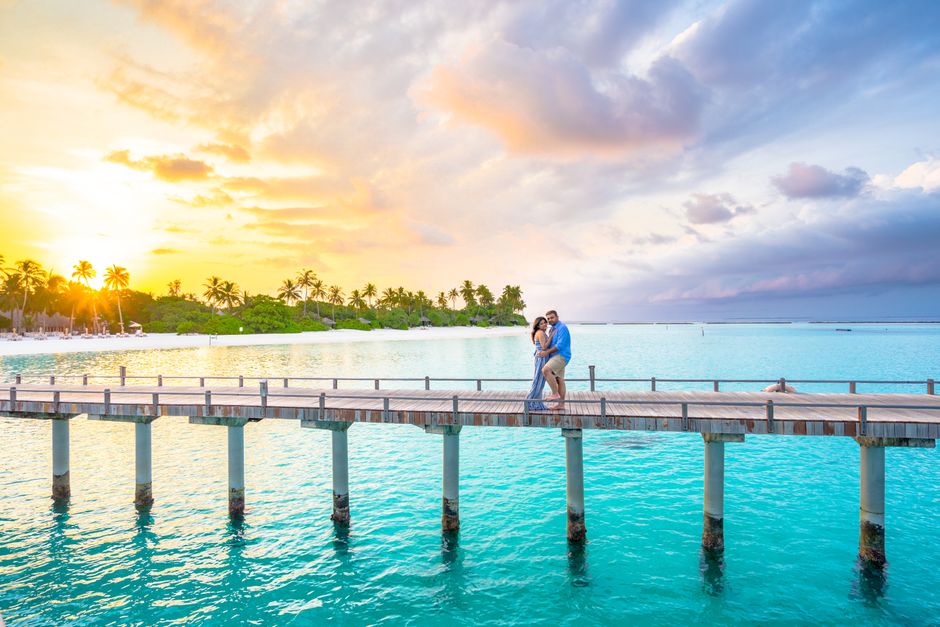
Thailand wins if the main goal is warm weather, stylish resorts, excellent food, and a lower daily budget. Bangkok works well for two nights of restaurants and rooftop views, followed by five nights in Phuket, Koh Samui, or Krabi. Thailand’s marriage equality law took effect in January 2026, giving same-sex couples a stronger legal foundation than they had before. The country can still feel socially conservative outside tourist centers, so choose a hotel with clear LGBTQ+ guest policies.
Best destination for adventure or a road trip
New Zealand is the strongest choice for couples who want hiking, vineyards, hot pools, and dramatic scenery. Auckland, Rotorua, and Queenstown create an easy first itinerary, but the driving distances are real. Plan fewer stops and spend at least two nights in each place. Canada suits couples who want a city-and-nature mix, while South Africa is the standout for Cape Town, wine country, and safari. South Africa has marriage equality, but its wider safety planning needs more care than Portugal or New Zealand. Review current entry and local guidance before booking through the ILGA World legal database and your government’s travel advisory.
How do the best destinations compare?

The table below shows the simplest honeymoon shape for each destination. These are starting routes, not rules. The best trip is the one that leaves room for sleep, slow dinners, and one unplanned afternoon.
| Destination | Best for | Starter route | Ideal length | Main tradeoff |
|---|---|---|---|---|
| Portugal | Best overall | Lisbon, then Algarve | 7 nights | Atlantic water can feel cool outside summer |
| Thailand | Beach resorts and value | Bangkok, then Phuket or Koh Samui | 8 to 10 nights | Long flight and humid weather |
| New Zealand | Nature and road trips | Auckland, Rotorua, Queenstown | 10 to 14 nights | High car, hotel, and dining costs |
| Canada | City plus outdoors | Vancouver, Victoria, Whistler | 8 to 10 nights | Peak summer prices rise quickly |
| South Africa | Safari and food | Cape Town, Winelands, safari lodge | 9 to 12 nights | Transfers and safety planning take work |
For the easiest first international honeymoon, choose Portugal. For the best resort value, choose Thailand. For a once-in-a-lifetime landscape, choose New Zealand. Canada is a smart option for couples who dislike extreme heat, and South Africa is worth the extra planning if safari is the dream rather than a side activity.
How should you check a destination before booking?
Use this five-step check before paying a deposit. A rainbow flag on a hotel’s website is a useful signal, not proof that every guest will be treated well.
- Check the law at country level. Confirm marriage recognition, anti-discrimination rules, and gender-marker requirements. Legal marriage equality does not automatically answer every question for trans or nonbinary travelers.
- Read the entry rules for both travelers. Check passport validity, visas, medication rules, and arrival forms. A couple may face different paperwork if they hold different passports.
- Ask the hotel direct questions. Send one message before booking: “Do you regularly host same-sex couples, and can you arrange a double-bed room and honeymoon service without extra explanation?” A clear reply matters more than a rainbow logo.
- Map the private parts of the trip. Look at the route from airport to hotel, the lighting around the property, transport after dark, and access to clinics or pharmacies. For a safari or remote island, ask how emergency evacuation works.
- Save a paper backup. Carry copies of passports, prescriptions, insurance details, marriage documents if relevant, and an emergency contact. Store one set separately from the originals.
Use the official LGBTQ+ travel guidance as a second check, even if you have traveled widely. Policies and local conditions can change after you book.
What should you book for a smoother LGBTQ+ honeymoon?
Which phone plan keeps the trip connected?
For Portugal, the Airalo Eurolink eSIM is a practical starting point; small plans have been listed from about $5 for 1 GB over seven days. For Thailand, the Nomad Thailand eSIM has offered 10 GB for 30 days from roughly $11. Prices change, so check the current plan before purchase. Install the eSIM before departure, but activate it after landing to avoid using the trip data early.
Which app keeps reservations in one place?
TripIt Pro costs $49 per year and can combine flight, hotel, and transfer confirmations into one itinerary. It is useful when a honeymoon includes several cities. The free version is enough for a simple Portugal route, so do not pay for Pro unless you have multiple bookings to track.
What small item prevents a luggage problem?
An Apple AirTag costs $29 for one tracker and helps locate checked luggage through the Find My network. Put it inside the bag rather than on the outside handle. It cannot replace airline baggage support, but it gives you a clearer answer when a suitcase does not arrive.
Do you need a translation app?
Google Translate is free and handles offline language downloads, camera translation, and short voice exchanges. Download Portuguese, Thai, or Māori before takeoff if your route includes smaller towns. Translate hotel requests and medication names in advance; trying to explain a serious allergy through gestures is a poor honeymoon plan.
My practical booking order is simple: confirm entry rules, reserve the hotel, buy travel insurance, then arrange the eSIM and airport transfer. The hotel and transfer deserve the most attention because they shape your first and last hours in the destination.
What mistakes can ruin an LGBTQ+ honeymoon?
The biggest mistake is treating “LGBTQ-friendly” as one universal standard. A destination can be welcoming to same-sex couples while offering weaker support for trans, nonbinary, intersex, or visibly gender-nonconforming travelers. Ask questions that match your situation before you book.
- Do not pack five destinations into seven nights. Two bases usually feel more romantic than a rushed checklist.
- Do not confuse marriage equality with perfect social acceptance. Keep normal travel awareness in busy stations, nightlife areas, and remote locations.
- Do not book a remote villa without checking transport. Confirm who drives you, how late transfers run, and what happens if a flight is delayed.
- Do not skip insurance because the destination feels safe. Check medical cover, cancellations, luggage, and emergency evacuation. Safari and adventure trips need higher limits.
- Do not assume a double-bed request is automatic. Put the request in writing and confirm it again after payment.
Choose Portugal for the lowest-friction honeymoon, Thailand for beaches and value, New Zealand for scenery, Canada for a polished city-and-nature trip, or South Africa for safari. The best destination is the one whose legal rules, hotel culture, route length, and day-to-day comfort match both travelers—not just the photos.