You booked the flight to Kansai International Airport. You have exactly four days. The problem is that Kyoto has 17 UNESCO World Heritage sites, 1,600 temples, and about 400 shinto shrines. You can’t see them all. The standard travel blogs tell you to “just wander” — which works if you have two weeks and no budget constraint. You have neither. This itinerary cuts the noise, tells you what costs what, and gives you a plan that actually fits four days without burnout.
Day 1: The Golden Temple and the Philosopher’s Path — A Morning-to-Afternoon Walk
Start at Kinkaku-ji (the Golden Pavilion). Entry costs ¥500 (about $3.50 USD). The temple is a three-story building covered in gold leaf, sitting on a pond. Most people spend 20 minutes here, take the same photo, and leave. That’s a mistake. Walk the full perimeter of the pond. The reflection changes with the light. Early morning (8:30 AM opening) means fewer crowds.
From Kinkaku-ji to Ryoan-ji (15-minute walk)
Ryoan-ji costs ¥600. The main attraction is a Zen rock garden: 15 stones arranged on raked white gravel. From any angle, you can only see 14 at once. The garden is small. Sit on the wooden porch for 10 minutes. Do not rush through it.
The Philosopher’s Path (2 km, 30-minute walk)
Take bus 59 from Ryoan-ji to Ginkaku-ji (Silver Pavilion). The path runs along a canal lined with cherry trees. In April, it’s packed. In November, the maples turn red. Walk south toward Nanzen-ji. Stop at Honen-in temple (free, quieter, worth it). Nanzen-ji costs ¥600 for the main hall and garden. The aqueduct inside the temple grounds is a strange but welcome sight — brick arches built in the Meiji era.
Lunch stop: Omen Kodai-ji (¥1,500 for udon noodles). It’s 10 minutes off the path, serves thick handmade noodles in a hot broth. No English menu, but pointing works.
Day 2: Fushimi Inari and the Bamboo Grove — Two Crowded Spots Done Right
These are the two most photographed locations in Kyoto. Most people go at 10 AM, fight crowds, and leave frustrated. The trick is timing.
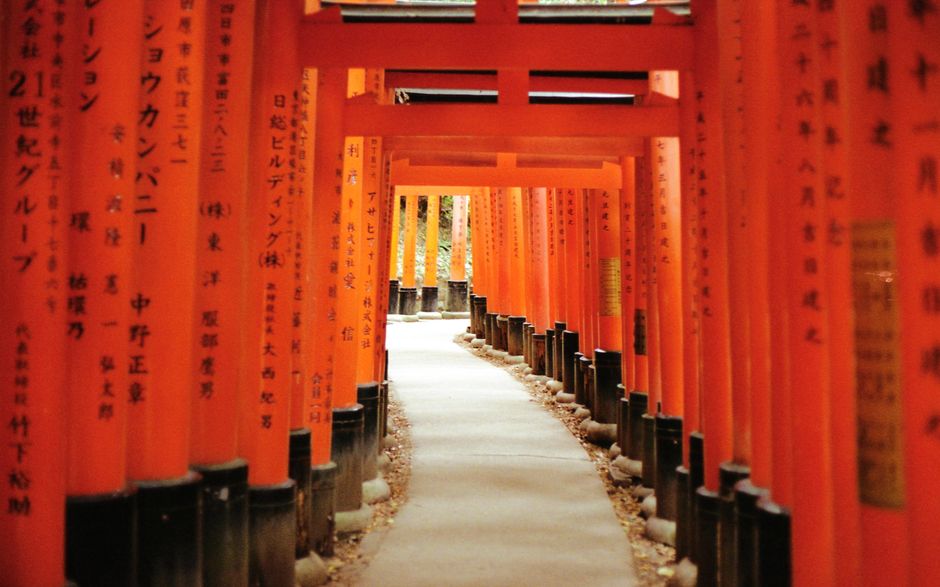
Fushimi Inari Taisha is open 24 hours, free entry. Go at 6:30 AM. The first 100 meters are always crowded. Keep walking. After the first 20 minutes of climb, the crowd thins by 80%. The full loop is 4 km and takes 2 hours. You do not need to complete it. Turn around at the Yotsutsuji intersection (halfway point) for a view of the city. Bring water — there are no vending machines after the first 500 meters.
Arashiyama Bamboo Grove is free. Go at 7:30 AM. The path is 400 meters long. At 8 AM, it’s shoulder-to-shoulder. At 7:30 AM, you get 10 minutes of near-silence. After the grove, walk to Okochi Sanso Garden (¥1,000). It’s the former villa of a samurai actor. The garden is huge, well-maintained, and includes matcha tea service. Most tourists skip it because they don’t know about it.
| Location | Best Time | Cost | Time Needed |
|---|---|---|---|
| Fushimi Inari | 6:30 AM | Free | 1.5–2 hours |
| Arashiyama Bamboo Grove | 7:30 AM | Free | 20 minutes |
| Okochi Sanso Garden | 8:30 AM | ¥1,000 | 45 minutes |
| Kinkaku-ji | 8:30 AM | ¥500 | 30 minutes |
Day 3: Nishiki Market and a Tea Ceremony — The Tastes of Kyoto
This day is about food and craft. No temples. No shrines. Just eating and learning.
Nishiki Market is a 400-meter covered arcade with 100+ shops. It opens at 9 AM. Go early for the fresh stuff and fewer crowds. You should try: yuba (tofu skin), tsukemono (pickled vegetables), and tamagoyaki (grilled egg on a stick). Prices range from ¥200 to ¥1,000 per item. Cash only at most stalls. Withdraw ¥5,000 from a 7-Eleven ATM before you go.
Tea ceremony experience — book one through Camellia Tea Ceremony in Gion. A 45-minute session costs ¥2,000. You learn the basic movements: how to hold the bowl, how to turn it, how to drink the matcha. The host explains the history. It’s touristy, but it’s also genuine. The alternative is a free demonstration at the Urasenke Center, but those are on specific dates only and fill up fast.
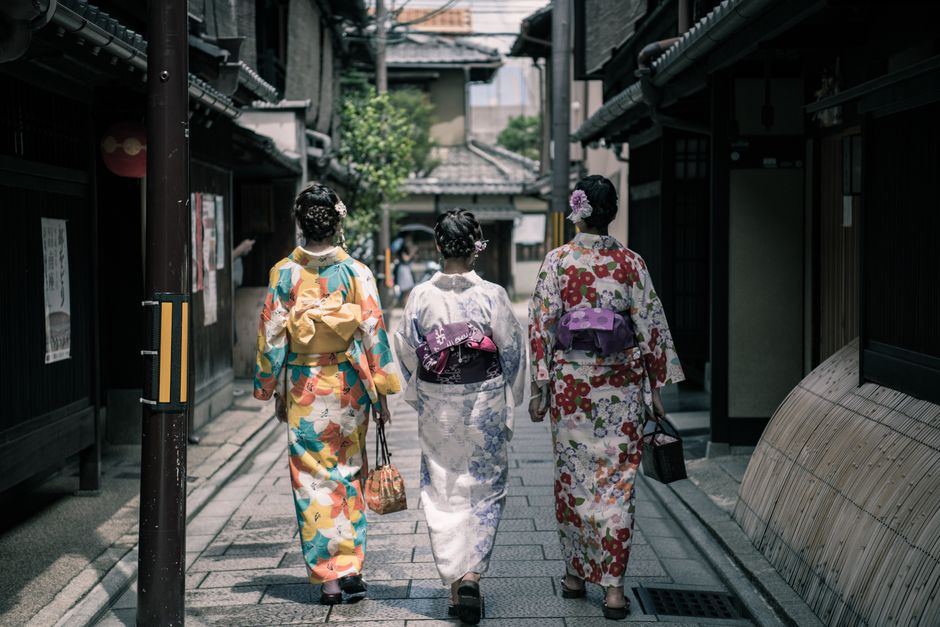
Common mistake: booking a tea ceremony that includes “kimono rental.” These cost ¥8,000–¥12,000 and the kimono is uncomfortable. You don’t need it. The ceremony works fine in normal clothes.
Day 4: The Southern Hills and a Zen Temple You’ve Never Heard Of
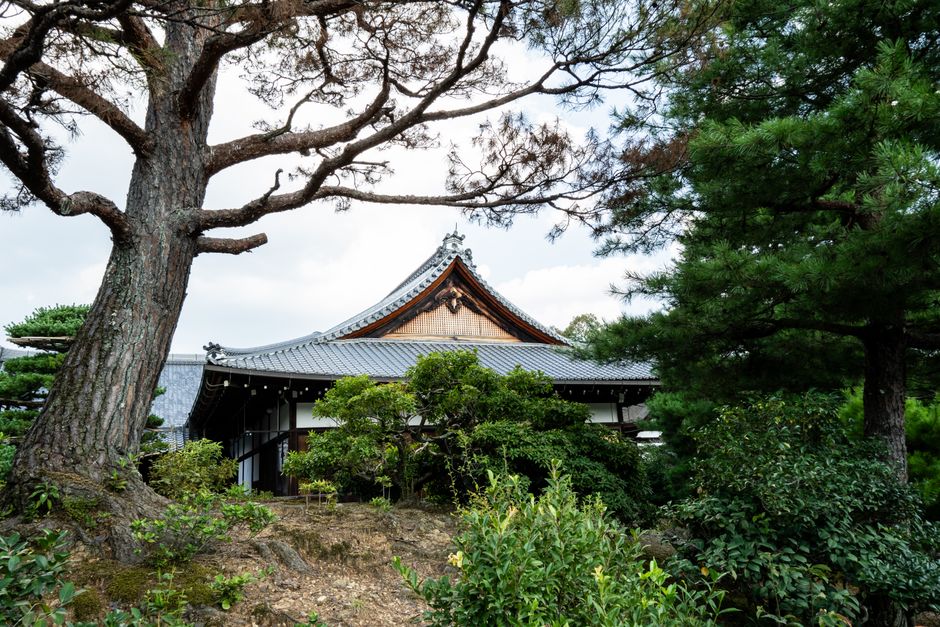
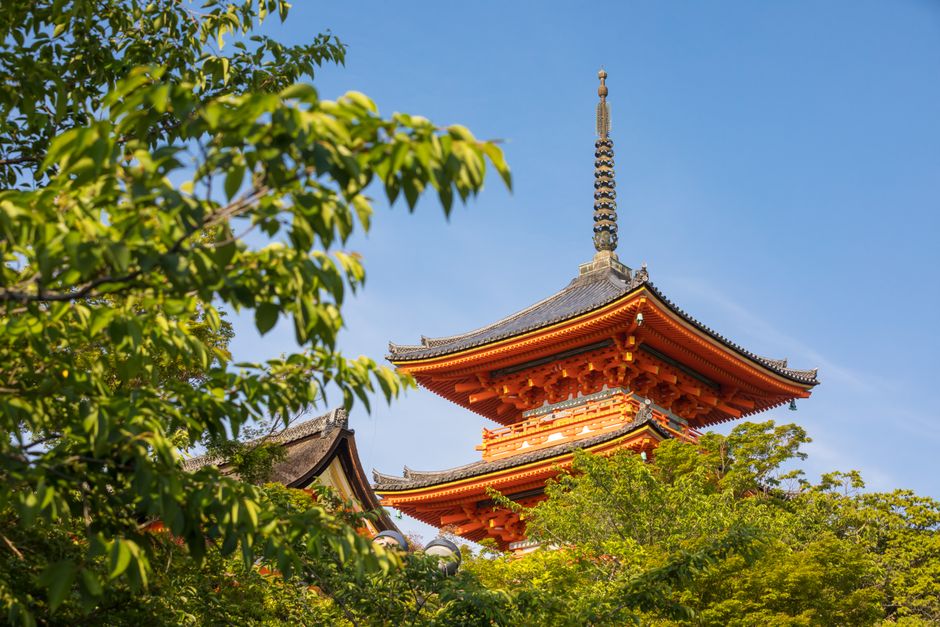
Skip Kiyomizu-dera. It’s under renovation until 2030 and the scaffolding ruins the view. Go to Tofuku-ji instead. Entry costs ¥500. The main garden is a modern zen garden designed by Mirei Shigemori in 1939. It uses moss, stones, and checkerboard patterns. The bridge over the valley gives a clear view of the autumn leaves. In any season, it’s quieter than Kiyomizu-dera.
Walk south to Sennyu-ji (¥500). This is a mausoleum temple for several Japanese emperors. The grounds are massive. You’ll see maybe 10 other visitors. The main hall has a painted ceiling with a dragon. The caretaker may offer to ring the bell for you.
Lunch: Shigetsu (¥2,500) inside Tofuku-ji. It’s a shojin ryori (Buddhist vegetarian) restaurant. Set menu only. No reservations. Wait time is usually 20 minutes.
Final stop: Fushimi Inari again, at sunset. The gates light up orange. The crowds are gone. Walk 15 minutes up and sit on a bench. It’s a different experience at dusk.
What This Trip Costs — A Realistic Budget
Most guides give vague “budget” numbers. Here’s the actual breakdown for one person, excluding flights and hotels.
- Temple entry fees: ¥3,700 (about $26 USD) — includes Kinkaku-ji, Ryoan-ji, Nanzen-ji, Okochi Sanso, Tofuku-ji, Sennyu-ji
- Meals: ¥4,500 per day (¥18,000 total) — three meals at ¥1,500 each, plus snacks
- Public transport: ¥1,500 total — bus day pass (¥600) plus individual rides. A taxi from Kyoto Station to Arashiyama costs ¥2,500. Don’t take it.
- Tea ceremony: ¥2,000
- Total daily spending: about ¥6,500 ($45 USD) per day, plus accommodation
The biggest hidden cost is convenience store coffee and snacks. ¥150 for a canned coffee adds up. Bring a reusable water bottle. Public fountains are safe.
When to Skip This Itinerary
This plan assumes you can walk 15,000–20,000 steps per day. If you have mobility issues, swap day 2 for a taxi tour (¥15,000 for half a day). Skip the Philosopher’s Path — it’s cobblestone and uneven.
If you hate crowds, do not come in April (cherry blossom) or November (autumn leaves). The bamboo grove at 7:30 AM is still manageable. Fushimi Inari at 6:30 AM is fine. Everything else will be packed. Come in February or September instead. The temples are the same. The crowds are not.
If you only have two days, pick day 1 and day 2. Skip Nishiki Market and the tea ceremony. You’ll miss the food, but you’ll see the major sites without rushing.
If your budget is under $30 per day, skip the paid temples. Stick to the free ones: Fushimi Inari, the bamboo grove, and the grounds of Nanzen-ji. You’ll still get a good experience. You just won’t see the gardens.