
For a two- or three-night European winter trip, pack one warm outer layer, three tops, two bottoms, and shoes you can actually walk in. The winning system is a small capsule built around layers, not a suitcase full of thick single-purpose clothes. That approach leaves room for toiletries, keeps you under common cabin limits, and avoids paying a checked-bag fee that can reach €70 each way on a short flight.
The 10-item capsule for a three-day city break

My recommendation: use ten clothing items plus the clothes you wear in transit. That is enough for three days in most cool, wet cities and leaves space for a small personal item. Count clothing by function, not by outfit. The same base layer can support a travel morning, an afternoon walk, and a restaurant dinner.
- One pair of dark trousers worn on the journey.
- One pair of lightweight trousers packed in the bag.
- Two long-sleeve tops.
- One short-sleeve top for indoor heating and layering.
- One thin merino or synthetic base layer.
- One medium-weight sweater or fleece worn in transit.
- One packable insulated jacket.
- One rain shell that fits over the sweater.
- Three pairs of underwear and three pairs of socks.
- One sleep layer that can double as an emergency base layer.
Real products can help, but the design matters more than the logo. The Uniqlo Ultra Light Down Jacket is commonly priced around €79.90 and packs down far smaller than a wool coat. The Patagonia Nano Puff usually costs about €230 and offers a tougher shell and better wet-weather tolerance, but its price is hard to justify for one short trip unless you will wear it often at home. For a small personal item, the Osprey Daylite Expandable Travel Pack 26+6, often listed near €160, gives more usable structure than a soft tote while still working as a day bag.
Use fabric weight as your space budget
Choose one warm layer rather than two medium layers that do the same job. A 250-gram merino sweater, a 300-gram synthetic insulated jacket, and a thin shell can cover a wider range than one 1.2-kilogram coat. Roll soft knits loosely, fold structured items flat, and keep socks inside shoes only if the shoes are clean and dry.
Keep the color count low
Two neutral colors plus one accent is enough. Black trousers, navy or grey tops, and one colored scarf create more combinations than four unrelated pieces. That may sound minor, but fewer color decisions stop you from packing a second sweater simply because the first one does not match anything.
How to fit winter clothes under airline limits
Airline rules are the hard constraint, so measure the bag before choosing the wardrobe. A generous cabin case does not help if the fare includes only a small item under the seat. On many European low-cost fares, the free personal-item allowance is close to 40 × 20 × 25 cm, while a paid cabin bag may be around 55 × 40 × 20 cm. Rules vary by airline and fare, so check the booking page rather than relying on a luggage blog.
| Bag choice | Typical size | Best use | Winter packing limit |
|---|---|---|---|
| Free personal item | 40 × 20 × 25 cm | Two nights, light layers | Wear the jacket and shoes |
| Paid cabin bag | 55 × 40 × 20 cm | Three to five nights | Add one sweater and spare shoes |
| Small checked bag | Usually up to 158 cm total | Cold-weather equipment | Only worthwhile for bulky specialist gear |
The table shows why a thick coat causes trouble: it consumes space before you have packed anything useful. A shell-and-layer system gives more temperature options per cubic centimetre. It also reduces the risk of a gate charge. A €35 cabin-bag fee can cost more than the entire low-season flight, and a checked bag may add €50 to €70 each way.
Use the airport test
Pack the bag fully, zip every compartment, and place it under your desk or beneath a chair. If it needs to be pushed, it is too full. Open it and remove the least useful item. Repeat until the bag closes without force. Soft compression cubes can organize clothes, but they do not defeat the airline’s size limit, and over-compressed fabric often expands when you unpack it.
Weight also matters. Keep electronics, books, and toiletries together so you can remove them quickly at security. A travel scale costing about €10 to €20 is a better purchase than guessing and paying a gate fee, especially when the cabin limit is 8 or 10 kilograms.
Layering beats carrying a second heavy coat
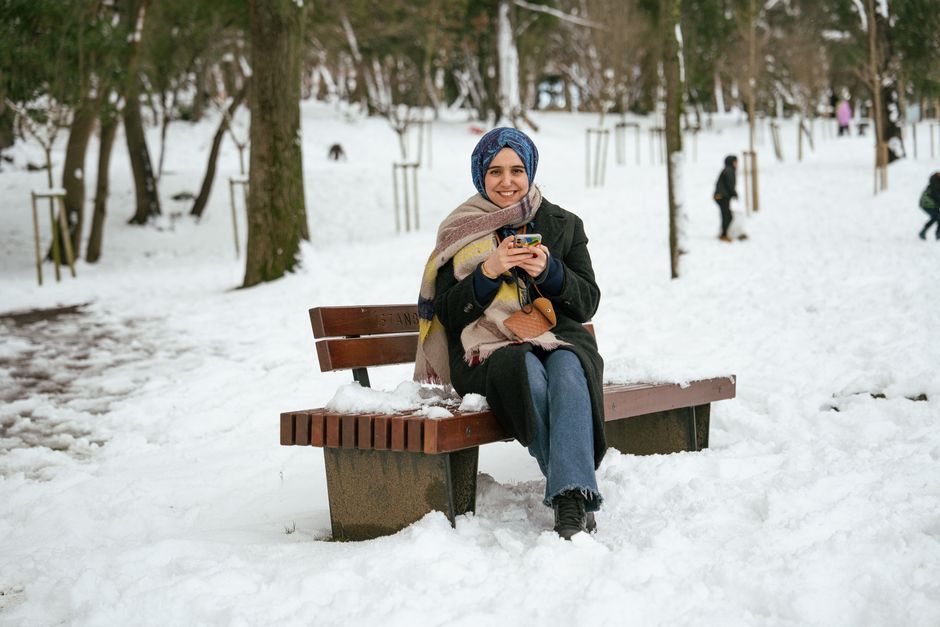
Buy or pack a shell before buying another coat. A water-resistant outer layer solves rain and wind, while a thin insulated jacket solves cold. Together they adapt to more conditions than a single bulky parka. This is the clearest space-saving decision in a winter packing list.
The tradeoff is comfort. A shell over insulation can feel less elegant and slightly noisier than a tailored winter coat. It also creates more pieces to manage in a heated train or restaurant. Still, for a short European hop with changing weather, the flexible system wins because you can remove one layer without losing all protection.
Choose the right mid-layer
The Uniqlo Ultra Light Down Jacket, around €79.90, is the budget winner for dry cold and limited luggage space. It is light, compressible, and warm enough for many city trips. Its weakness is wet weather: down loses much of its insulating value when soaked, so it needs a reliable shell.
The Patagonia Nano Puff, usually around €230, is the stronger choice for frequent travelers who expect damp conditions and will use the jacket at home. Its synthetic insulation keeps working better when wet, but the price is high for a single weekend. The clear verdict is Uniqlo for occasional city breaks and Patagonia for repeated cold, wet travel.
Do not pack a specialist coat for ordinary sightseeing
A ski jacket, long expedition parka, or heavy wool overcoat makes sense for mountain travel, outdoor work, or temperatures well below freezing. It is the wrong choice for a museum weekend in Rome, Barcelona, or Amsterdam when most of the day includes indoor heating. The jacket may be warmer, but it steals room from dry socks, toiletries, and a second pair of trousers.
This is not financial advice, but the same cost logic applies: compare the fee you avoid with the item you buy. A €200 jacket purchased to avoid a €35 bag fee is a poor trade unless you already wanted the jacket.
What changes when rain, laundry, and cold overlap?
What if the forecast shows rain every day?
Pack a shell with a hood, quick-drying socks, and one plastic or waterproof pouch for damp items. Do not pack a second bulky jacket. Put the shell on before the rain starts, and dry wet clothes overnight by hanging them near moving air rather than directly on a radiator, which can damage some fabrics and leave the room humid.
What if the trip lasts four days?
Add underwear and socks before adding another full outfit. Wash a top in the sink on the second night, press out water with a towel, and hang it while you sleep. A 100-gram travel detergent sheet pack takes less room than a spare sweater. If the trip includes formal events, replace the short-sleeve top with a collared shirt or simple blouse instead of adding a separate evening outfit.
What if you get cold easily?
Improve the base layer first. A close-fitting thermal top, dry socks, and a hat usually add more comfort than another loose jumper. Cold feet can ruin a walking day faster than a cool torso, so choose shoes with enough room for wool-blend socks. If your footwear becomes tight after adding thick socks, the shoes are not suitable for winter travel.
When should you carry a second pair of shoes?
Only when the second pair serves a clear purpose, such as formal dress, medical comfort, or a wet-weather backup. For ordinary city breaks, one broken-in walking shoe is the better choice. New shoes create blisters, and large casual trainers often weigh more than the clothing they replace.
The final airport test gives you the right answer
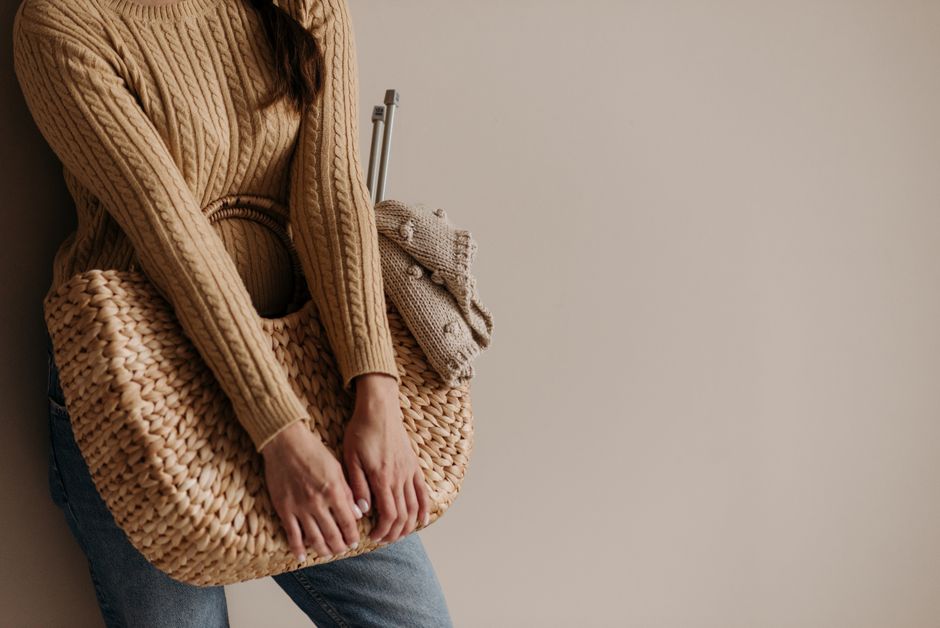
Pack the ten-item capsule, wear the heaviest layers, and test the closed bag under the seat or in the airline’s measuring frame before leaving home; if the bag fits, weighs within the fare limit, and still leaves room for your liquids pouch, the system is ready for a short European winter trip.
Remove anything that handles only one unlikely scenario, keep one dry base layer protected from rain, and spend money on a shell or comfortable walking shoes only when that item will be used beyond this weekend; a €35 cabin fee is cheaper than a €230 jacket bought for the wrong reason, while a wet and painful trip is expensive in a different way.
The best three-day winter wardrobe is not the warmest pile on the bed; it is the smallest set that covers the forecast, walking distance, indoor heating, and one laundry failure without forcing a checked bag.
That leaves the original traveler with one clear plan: board in the sweater and outer layer, carry a compact capsule, and arrive with enough flexibility for rain, cold streets, and a warm café without dragging a bulky suitcase through the station.