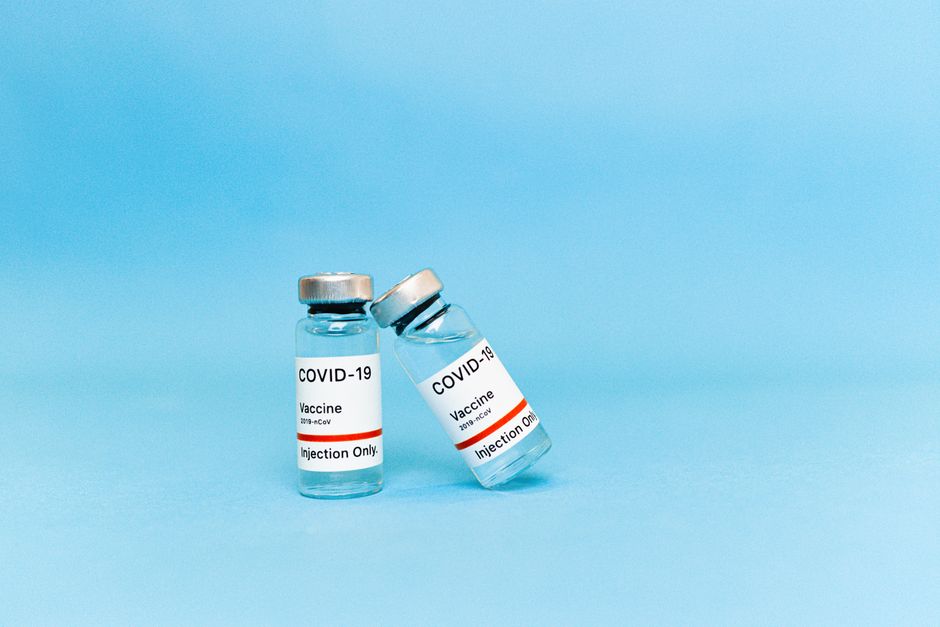
Here’s the question no travel clinic will answer upfront: how much is this going to cost?
New Zealanders heading overseas spend anywhere from $150 to over $1,200 on travel vaccines depending on destination. That range is not an exaggeration. The difference comes down to where you’re going, how long you’re staying, and whether your routine vaccinations are actually current — which most adults discover they aren’t.
This guide gives you the specific numbers: what each vaccine costs in NZD, which destinations require them, and how to avoid the mistakes that cost you either money or your health.
This is not medical advice. Consult a qualified travel health professional before making vaccination decisions.
The Real Cost of Travel Vaccines in NZ: A Complete Price Breakdown
Prices vary between clinics and change annually, but the figures below reflect typical 2026 NZD ranges at dedicated travel medicine clinics in New Zealand. Consultation fees of $55–$95 are separate and not included.
| Vaccine | Brand Name(s) | Cost Per Dose (NZD) | Doses Required | Total Approximate Cost | Minimum Lead Time |
|---|---|---|---|---|---|
| Hepatitis A | Havrix, Avaxim | $75–$95 | 2 (0 & 6–12 months) | $150–$190 | 2 weeks |
| Hepatitis B | Engerix-B | $45–$65 | 3 (0, 1, 6 months) | $135–$195 | 6 months (full course) |
| Hep A+B Combined | Twinrix | $95–$115 | 3 (0, 1, 6 months) | $285–$345 | 6 months (full course) |
| Typhoid (oral) | Vivotif | $65–$80 | 1 course (4 capsules) | $65–$80 | 2 weeks |
| Yellow Fever | Stamaril | $115–$145 | 1 (+ certificate ~$30) | $145–$175 | 10 days |
| Rabies (pre-exposure) | Rabipur, Verorab | $135–$165 | 3 (0, 7, 21–28 days) | $405–$495 | 4 weeks |
| Japanese Encephalitis | Imojev | $165–$205 | 1–2 doses | $165–$410 | 2 weeks |
| Cholera | Dukoral | $65–$85 | 2 doses | $130–$170 | 1 week |
| Meningococcal | Menveo, Nimenrix | $100–$145 | 1 dose | $100–$145 | 2 weeks |
NZ’s public health system does not fund most travel vaccines. The National Immunisation Schedule covers childhood diseases, influenza for eligible groups, and a handful of others. Anything destination-specific comes out of your own pocket.
The consultation fee is worth paying. A travel clinician reviews your specific itinerary — not a generic destination — and will often talk you out of vaccines you don’t need, which can save more than the appointment costs.
The Vaccines NZ Travellers Forget Because They’re Already Supposed to Have Them
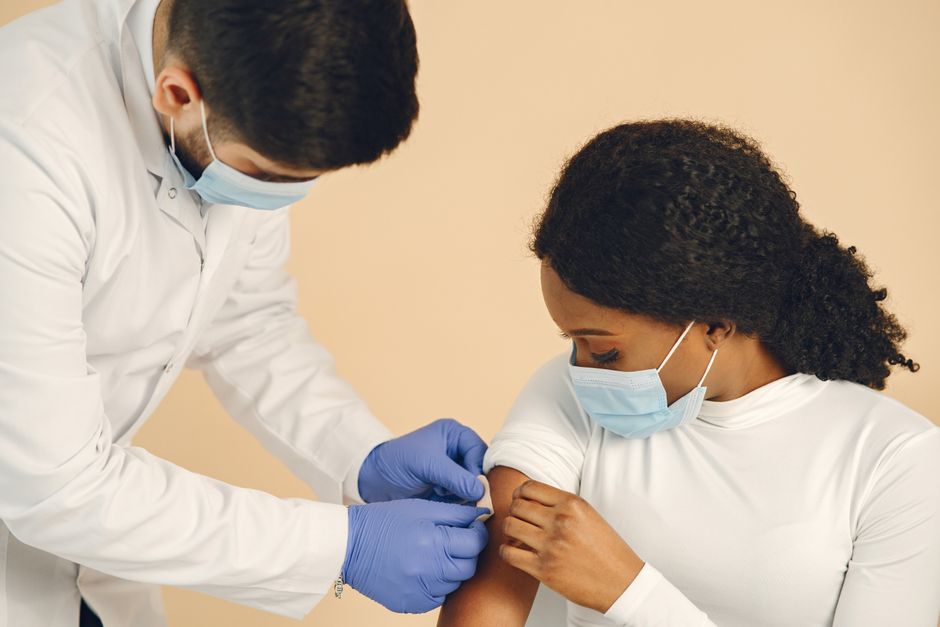
Before any destination-specific vaccine, a travel clinic checks whether your routine vaccinations are current. This is where most adult New Zealanders quietly fail the checklist — and it’s the part that catches people off guard, because the assumption is “I had all this as a kid.”
MMR (Measles, Mumps, Rubella)
Measles outbreaks are ongoing in parts of Southeast Asia, Europe, and the Pacific. NZ had a major outbreak in 2026. Adults born between 2026 and 2026 often have incomplete MMR coverage — one dose when two are now recommended. The MMR vaccine is government-funded in NZ for adults who missed doses, making it the rare travel vaccine that costs nothing. Check your immunisation records before your clinic appointment. Your GP may still have childhood records on file even if you don’t.
Tdap (Tetanus, Diphtheria, Pertussis)
Most NZ adults are current on tetanus but haven’t had a full Tdap booster — which includes whooping cough — in a decade. This matters more in destinations where wound care access is unreliable. Cost is around $45–$65 at a GP, and it’s often overlooked because it doesn’t have the same urgency framing as destination-specific shots.
Influenza
Southern Hemisphere flu formulations differ from Northern Hemisphere strains. If you’re heading into a Northern Hemisphere winter, a Northern Hemisphere flu vaccine is worth discussing — typically $25–$40 privately, funded for over-65s and at-risk groups. Not glamorous, but relevant if you’re on a long-haul itinerary through winter Europe or North America.
Fix these routine vaccines first. Several are either free or low-cost, and they’re the ones most likely to need addressing regardless of destination. They’re also the ones travel clinicians flag most often — because they’re the gaps people least expect to have.
What You’ll Actually Need by Region: A Direct Assessment
Not every trip requires a full slate of vaccinations. Here’s a realistic breakdown by region for typical NZ travellers — not worst-case scenarios, but honest recommendations based on standard itineraries.
Southeast Asia (Thailand, Vietnam, Indonesia, Philippines)
Hepatitis A and typhoid are the near-universal starting point. Both transmit through contaminated food and water, and both are present throughout the region regardless of hotel standard — street food, ice, salads all carry meaningful risk. Rabies pre-exposure prophylaxis (three doses of Rabipur over four weeks, $405–$495 total) is recommended for stays over four weeks, rural areas, or any itinerary with significant motorbike travel through remote regions. Japanese encephalitis via Imojev becomes relevant for rural travel during or after monsoon season. Malaria risk varies sharply by country and specific region — antimalarials like Malarone or doxycycline are prescribed medication, not vaccines, so factor them into your health budget separately.
South Asia (India, Nepal, Sri Lanka)
Hepatitis A, typhoid, and Tdap are nearly always on the list. Nepal trekkers going above 2,000 metres should discuss altitude medication — acetazolamide (Diamox), typically $30–$50 on a travel clinic prescription — alongside any vaccination plan. Rabies pre-exposure is more commonly recommended here than in Southeast Asia given urban dog bite risk in cities like Delhi and Kathmandu. Indian rural travel warrants a Japanese encephalitis conversation.
Sub-Saharan Africa
This is where costs climb significantly. Yellow fever via Stamaril is required for entry into several African countries and recommended for many others. Add hepatitis A, typhoid, meningococcal vaccination (especially for travel through the “meningitis belt” running from Senegal to Ethiopia), and malaria prophylaxis, and a first-timer with no prior travel vaccine history can realistically spend $700–$1,100 before buying a flight. Budget accordingly, and book the clinic appointment early — Africa itineraries often need the longest lead time for full protection.
Pacific Islands
Lower requirement overall. Hepatitis A is still recommended. Some Pacific nations have had measles and typhoid outbreaks in recent years. No yellow fever or Japanese encephalitis risk applies in the Pacific. For most NZ travellers, a realistic total of $150–$250 covers the vaccination side of a Pacific trip — the most affordable destination category from a health preparation standpoint.
South America
Yellow fever is the headline. It’s required for parts of Brazil, Colombia, Ecuador, and Peru, and strongly recommended for any itinerary including jungle or lowland rural zones. Hepatitis A and typhoid are standard recommendations. Altitude in the Andean countries (Peru, Bolivia) is a medication consideration rather than a vaccine one — Diamox again, not a shot.
Where to Get Travel Vaccines in NZ

Dedicated travel medicine clinics are the right choice for anything destination-specific. Full stop.
Travel Medicine NZ and the Travellers Health & Vaccination Centre network have clinicians who assess travel itineraries daily. They stock the full range — including Stamaril for yellow fever, which not all GPs can administer. The consultation fee is higher than a standard GP visit, but a targeted vaccine list often saves more than the price difference.
GPs are appropriate for routine top-ups: Tdap, MMR, influenza. They can also prescribe antimalarials. For destination-specific decisions involving multiple vaccines and a complex itinerary, the travel clinic is the better use of your time and money.
Yellow fever specifically can only be administered at designated vaccination centres. Not all clinics qualify. The Ministry of Health maintains a list of approved yellow fever vaccination centres in NZ — confirm your clinic is on it before booking, because the International Certificate of Vaccination or Prophylaxis (ICVP) they issue is the document border control in some countries will physically inspect on arrival.
The Timing Problem: Why Eight Weeks Is the Real Minimum
Eight weeks before departure is the practical minimum for most destination-specific vaccines. The reason isn’t bureaucratic — it’s biological and logistical, and it’s tighter than most people expect.
- Multi-dose vaccines don’t wait for your travel dates. Hepatitis B, Twinrix, and rabies pre-exposure all require doses spaced weeks apart. Start late and you finish the course after departure — with partial protection at best.
- Your immune system needs time to respond. Single-dose vaccines like Hepatitis A take two full weeks to build meaningful protection. The injection on Monday is not working by Friday.
- Yellow fever has a mandatory 10-day certificate delay. The ICVP is only valid from 10 days post-vaccination. Arriving at immigration with a 9-day-old certificate is a real problem at borders that inspect it.
- Travel clinics book out. During NZ school holiday peaks — October through January — appointment waits at popular travel clinics run two to three weeks. If you need vaccines eight weeks before departure, book the appointment ten to eleven weeks out.
- Supply constraints are real. Imojev for Japanese encephalitis and Rabipur for rabies are occasionally in short supply. A ten-week lead time gives clinics time to source stock if needed rather than leaving you to chase it yourself.
If your departure is less than four weeks away, don’t skip the clinic. Be upfront about your timeline. A clinician can prioritize which vaccines deliver the most protection in a compressed schedule — and be honest about which ones you’ll simply have to go without.
Required vs. Recommended: The Distinction That Matters at the Border
Most travel vaccines are “recommended” — health authorities think it’s a good idea, but no immigration officer inspects your records. A small number are legally required for entry. Treating a required vaccine as optional is an avoidable and potentially trip-ending mistake.
Yellow fever is the clearest example. Arriving in Kenya from Uganda — a yellow fever endemic country — without a valid ICVP means denied entry, or a forced vaccination on arrival under rushed conditions you don’t control. Several West African nations maintain the same rule. The specific list changes year to year; check the destination country’s current requirements directly, not a travel blog from two years ago.
Meningococcal vaccination is required for Hajj pilgrims entering Saudi Arabia. Some countries require proof of polio vaccination for travellers arriving from polio-affected regions — this is both destination and origin-specific, not universal.
The Ministry of Foreign Affairs and Trade (MFAT) SafeTravel website lists current entry requirements by country. Use it for hard legal requirements. Use a travel medicine consultation for what goes on top: what’s genuinely recommended given your specific activities, accommodation type, health history, and risk tolerance. Those are different questions with different answers, and conflating them is where travellers make expensive mistakes.
Travel Insurance and Vaccines: What Gets Covered and What Doesn’t
Vaccines reduce risk. They do not eliminate it. Hepatitis A vaccine is approximately 94–99% effective. Typhoid vaccines sit between 50–80% depending on the formulation. Getting vaccinated and still getting sick is not a theoretical edge case — it happens, particularly with typhoid in high-exposure settings.
Does NZ travel insurance cover vaccine-preventable illness?
Yes, with caveats. Standard NZ travel insurance policies — including those from Southern Cross Travel Insurance, Cover-More, and 1Cover — cover emergency medical treatment overseas, including for diseases you could theoretically have been vaccinated against. The operative word is emergency. Non-emergency treatment, routine follow-up care abroad, and ongoing medication costs are where coverage thins significantly or disappears depending on the policy terms.
Will insurance pay for pre-trip vaccines?
No. Pre-travel vaccination is a planned, foreseeable expense. It is explicitly excluded from standard travel insurance policies. There is no workaround — this is a cost you carry directly.
Annual multi-trip vs. single-trip cover
If you travel internationally more than twice per year from NZ, an annual multi-trip policy — available from Southern Cross, Cover-More, and others — is almost always cheaper than buying single-trip cover each time. Medical coverage is comparable between the two formats. The saving comes from the flat annual fee replacing multiple per-trip premiums. Worth calculating before purchasing insurance for any given trip.
Travel insurance and vaccines work in parallel. They address different risks at different stages of the same journey — and the strongest financial argument for getting vaccinated properly is that it reduces the probability of the insurance policy needing to pay out at all.