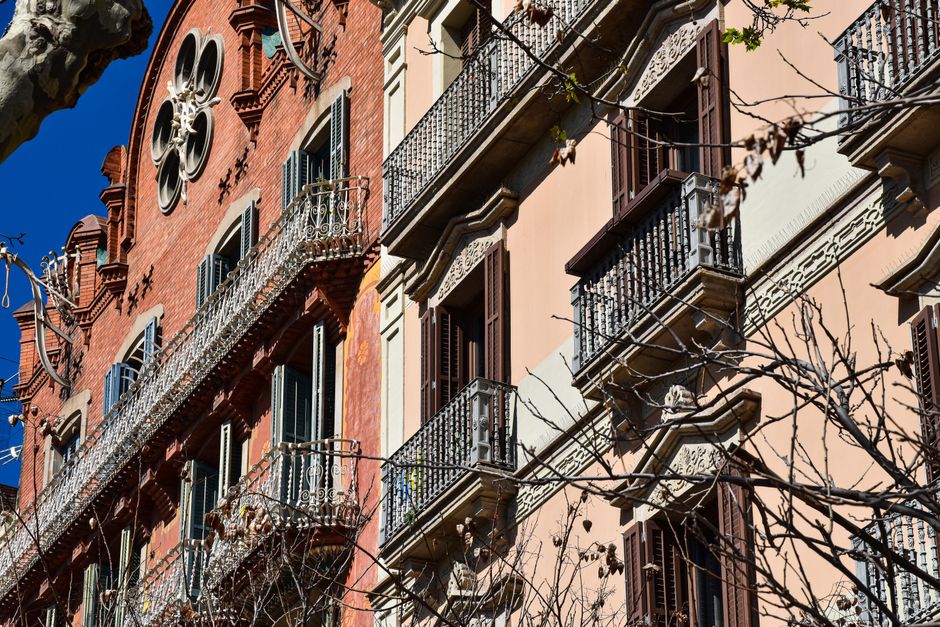
Most solo travelers land in Barcelona thinking the biggest risk is pickpocketing. They’re half right. The real danger isn’t losing your wallet — it’s losing two days of your trip to bad logistics, overpriced food, and a hostel bed that guarantees zero sleep. I’ve watched friends blow their budget on the first day, eat tourist-trap paella, and get stuck in a neighborhood that feels dead after 10 PM. Here’s what actually works, based on 14 solo trips to this city.
1. The Pickpocket Problem: Where You’re Most Vulnerable (and How to Make Yourself a Hard Target)
Barcelona has a reputation. It’s earned. But the solution isn’t wearing a money belt under your shirt like a spy from 2026. It’s understanding where theft happens and changing your behavior there.
Three hotspots account for 80% of reported thefts involving tourists:
- La Rambla — especially between Plaça de Catalunya and the Liceu metro exit. Crowds are dense, distraction is easy.
- Metro line L3 (Green) — the stretch between Catalunya and Drassanes. Pickpockets work in pairs. One blocks the door, the other lifts your phone from your back pocket as you squeeze past.
- Barceloneta beach — while you swim, your bag walks away. Never leave valuables unattended, even for 30 seconds.
The fix: Carry a crossbody bag with a zipper, worn toward your front. Keep your phone in your front pocket or a zippered jacket pocket. In crowds, one hand stays on your bag. That’s it. No special gear needed — just awareness.
If you want an extra layer, a Pacsafe bag with slash-resistant straps and locking zippers costs around $80 and fits under a jacket. But most people don’t need it. They just need to stop walking down La Rambla staring at Google Maps with their phone in an open hand.
2. Where to Stay: The Three Neighborhoods That Actually Work for Solo Travelers
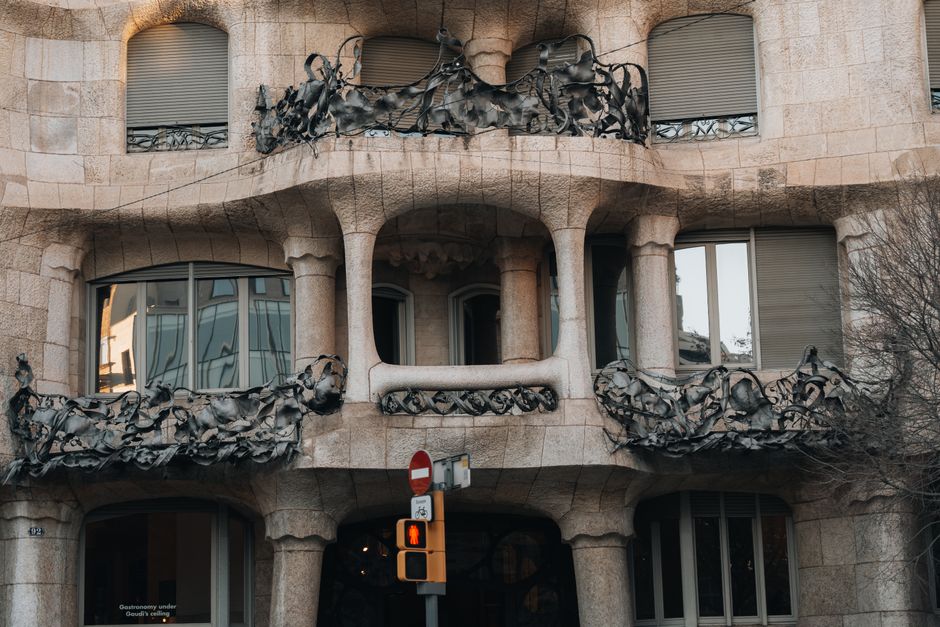
Booking a hotel in Barcelona is easy. Booking the right one for a solo trip is not. Pick the wrong neighborhood and you’ll spend 40 minutes on the metro every time you want dinner.
Here’s a quick comparison of the three best options for solo travelers:
| Neighborhood | Vibe | Best For | Average Hostel Dorm Night | Metro Access |
|---|---|---|---|---|
| Gothic Quarter (Barri Gòtic) | Historic, narrow streets, touristy but central | First-time solo, wants to walk everywhere | €28–€40 | Liceu (L3), Jaume I (L4) |
| Gràcia | Local, bohemian, quieter nights | Solo travelers who want cafes and less crowds | €22–€33 | Fontana (L3), Joanic (L4) |
| El Born | Trendy, boutiques, great food scene | Food-focused solo, likes nightlife but not clubs | €30–€45 | Jaume I (L4), Barceloneta (L4) |
My pick: Gràcia. You get real Barcelona — bakeries, neighborhood markets, and a metro ride that drops you at Sagrada Familia in 12 minutes. The Gothic Quarter is convenient but loud. El Born is charming but expensive for a solo budget.
If you’re booking a hostel, use Hostelworld and filter by “Location Score” above 8.5, not by price. A €15 dorm 40 minutes from the center costs you more in metro fares and time than a €30 dorm in Gràcia.
3. Eating Alone Without Feeling Awkward (or Overpaying)
Here’s the misconception: solo dining in Barcelona is hard because restaurants don’t want single customers. That’s false. The real problem is that most tourists eat at the wrong time and the wrong place.
Spaniards eat lunch at 1:30–3:30 PM and dinner at 9–11 PM. If you walk into a restaurant on Plaça Reial at 7 PM, you’re in the tourist zone. The menu del día (fixed lunch menu) is €12–€16 and includes starter, main, drink, and dessert. That’s the best value in the city. Look for chalkboards outside smaller restaurants on side streets — not the main squares.
Three solo-friendly options:
- Bar Cañete (Carrer de la Unió, 17) — sit at the bar. The staff is used to solo diners. Order the jamón croquettes and a glass of cava. €20–€30 for a full meal.
- Mercat de la Boqueria — grab a stool at Kiosko Universal or El Quim de la Boqueria. You eat at the counter, watch the cooks, and leave in 30 minutes. €8–€15.
- La Flauta (Carrer d’Aribau, 23) — small tapas, fast service, bar seating. The braised beef cheek is excellent. €15–€25.
If you’re on a tight budget, buy a baguette, manchego cheese, and jamón from Mercat de la Llibertat in Gràcia. That’s a €6 lunch that beats any tourist paella.
4. The Metro vs. Walking: When to Use Each (and When Neither Works)
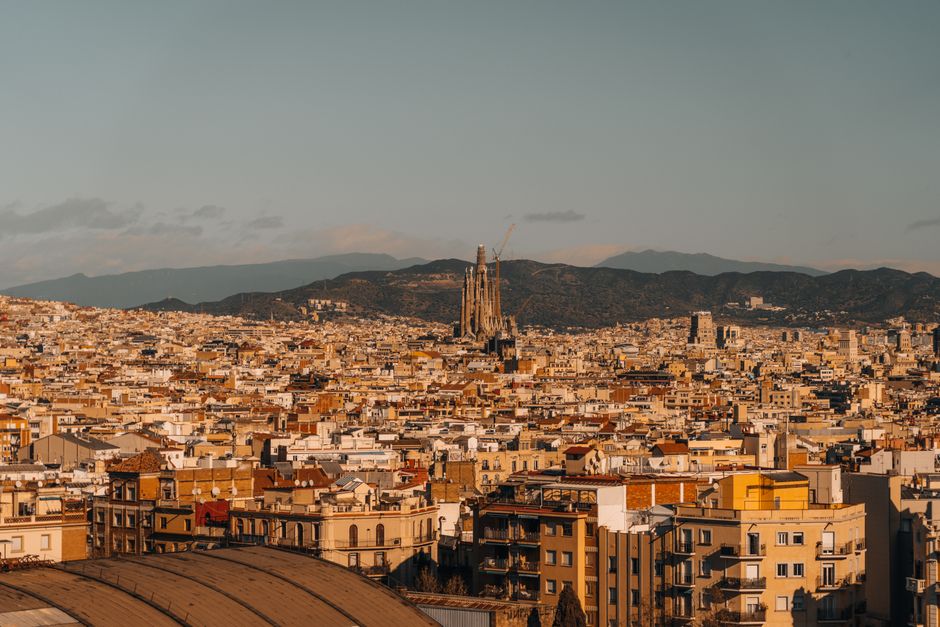
Barcelona is walkable for about 60% of tourist sites. The other 40% requires transport. The mistake I see most: tourists buy a T-Casual card (10 rides, €11.35) and use it for everything, including 15-minute walks that would be faster on foot.
Walk when: Going between the Gothic Quarter, El Born, Barceloneta, and the port. These are flat, connected, and you’ll discover better things on foot.
Use the metro when: Going to Sagrada Familia (L2 or L5), Park Güell (L3 to Vallcarca, then a 15-minute uphill walk — the bus from Alfons X is easier), or Montjuïc (L1 to Espanya, then cable car).
Neither works for: Tibidabo. The funicular from Plaça de Catalunya takes 30 minutes and costs €7.50 each way. A taxi from Gràcia costs about €12 and saves you 20 minutes. Worth it for a solo traveler who wants to maximize daylight.
One more thing: buy the T-Casual card at any metro station machine. It works on the metro, buses, and the tram. Don’t buy single tickets (€2.40 each) unless you’re taking exactly one ride. The T-Casual is transferable — you can share it with another person if you’re traveling with someone you meet.
5. The Hidden Costs That Bleed Your Budget
Most solo travelers budget for accommodation, food, and attractions. They forget the small stuff that adds up to €30–€50 per day. Here’s what I track on every trip:
| Expense | Typical Cost | How to Avoid |
|---|---|---|
| Tourist tax at hotels/hostels | €0.75–€2.50 per person per night | It’s mandatory. Budget for it. No way around it. |
| Bottled water (plastic) | €1.50–€3 per bottle | Bring a reusable bottle. Tap water in Barcelona is safe. Fill up at any fountain. |
| Coffee at tourist cafes | €3–€5 for a cappuccino | Drink at a bar counter. A café con leche costs €1.20–€1.80 standing. |
| ATM fees | €3–€6 per withdrawal | Withdraw larger amounts less often. Use Banco Sabadell or CaixaBank ATMs — they charge lower fees. |
| Laundry service at hostels | €5–€10 per load | Hand-wash small items in the sink. Use a laundromat in Gràcia (€3 per load). |
That’s roughly €15–€25 per day in hidden costs. Over a 5-day solo trip, that’s €75–€125 you didn’t plan for. I use a simple spreadsheet before every trip: accommodation, food, transport, attractions, and a line item called “fees and water” at €20/day. That covers it.
If you’re using a travel credit card, check whether it charges foreign transaction fees. A card with no foreign transaction fees and a chip-and-PIN setup (like the Chase Sapphire Preferred) works well in Barcelona. Most tap-to-pay terminals accept contactless from any card. But always carry €50–€100 in cash for small purchases and markets.
6. The One Attraction You Should Book in Advance (and the One You Should Skip)
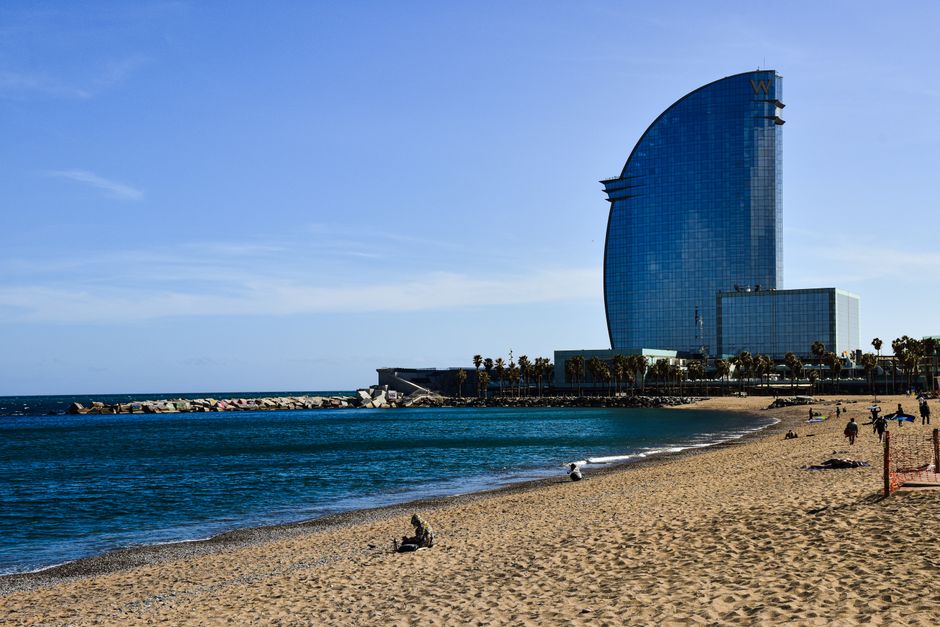
Here’s the blunt truth: Sagrada Familia is worth the hype. But only if you book your ticket at least 3 weeks ahead. Walk-up tickets almost never exist during peak season (May–October). Without a ticket, you stand outside and stare at a construction site. That’s not a Barcelona memory — that’s a mistake.
Book in advance: Sagrada Familia (€26 for the basic ticket with audio guide). Go at 9 AM to avoid crowds. The morning light through the stained glass is spectacular.
Skip: The Casa Batlló “Premium” ticket (€49). The regular ticket (€35) gives you the same experience. The premium version adds a VR headset you’ll use for 4 minutes and a glass of cava. Not worth the extra €14 for a solo traveler on a budget. The standard audio guide is excellent.
Park Güell’s monumental zone (€10) is worth it for the views. The free area is just a park. If you want the iconic photos, pay for the ticket. Book 2 days ahead online.
For a free activity: walk up to the Bunkers del Carmel at sunset. It’s a 20-minute uphill hike from the Guinardó metro stop. Bring water and a snack. The view over the entire city is the best you’ll get without paying a cent.
7. When Solo Travel in Barcelona Isn’t a Good Idea (and What to Do Instead)
I’m not going to tell you Barcelona is perfect for every solo traveler. It’s not. Here’s when you should reconsider:
- You’re a light sleeper who needs absolute quiet. Barcelona is loud. Street noise, late-night parties, and thin walls in hostels are normal. If you need silence, book a private room in Gràcia with windows facing an interior courtyard — and bring foam earplugs.
- You have mobility issues. The Gothic Quarter has uneven cobblestones, narrow sidewalks, and stairs everywhere. Metro stations often lack elevators. Consider a hotel in Eixample — wider streets, flat terrain, and better accessibility.
- You’re on an extremely tight budget (under €50/day). Barcelona is doable on a budget, but €50/day means a hostel dorm, street food, and no paid attractions. That’s fine if you’re a student. If you’re an adult who wants a nice dinner and a museum ticket, budget €80–€100/day minimum.
If Barcelona doesn’t fit, consider Valencia instead. It’s smaller, cheaper, less crowded, and has a better food scene for solo travelers. The beaches are cleaner. The paella is authentic. And the pickpocket risk is about 70% lower.
But if you do go to Barcelona — and I think you should — the difference between a good trip and a great one is avoiding the mistakes I’ve listed here. Pick the right neighborhood. Eat at the right time. Keep your hand on your bag. Book Sagrada Familia now. And don’t buy that €49 Casa Batlló ticket.