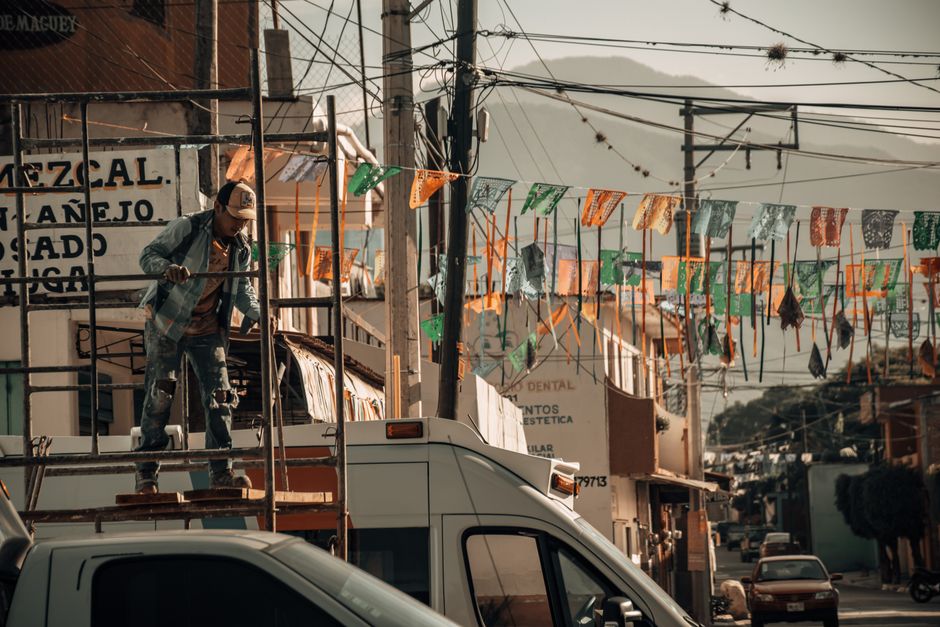
In 2026, El Salvador recorded a homicide rate of 2.4 per 100,000 people. That’s lower than the United States (5.7) and roughly equal to Iceland. The country that topped global murder lists a decade ago is now statistically safer than Miami.
But headlines die hard. Most solo travelers I meet still ask: Is it safe to go alone? The real question should be: How do I navigate a place where cash is king, buses have no schedules, and the official currency is the US dollar but everyone uses Bitcoin?
I spent three weeks traveling solo through El Salvador in early 2026. Here’s what actually matters.
Why Cash Still Rules (and Where Your Credit Card Won’t Work)
El Salvador adopted Bitcoin as legal tender in 2026. Every business is required by law to accept it. In practice, almost nobody uses it outside San Salvador’s upscale neighborhoods and tourist-heavy El Tunco.
You need US dollars. Physical ones. Small bills.
ATMs exist but charge fees between $3 and $7 per withdrawal. Your bank will add another fee. Bring $400-$600 in cash from home, break it at a bank or hotel, and keep $20s and $5s separate.
Where plastic works:
- Major hotels (Hilton, InterContinental, Barceló)
- Supermarket chains (Super Selectos, La Despensa de Don Juan)
- Higher-end restaurants in San Salvador and La Libertad
Where it doesn’t:
- Street food vendors
- Local buses (chicken buses)
- Small guesthouses and hostels
- Most artisan markets
- Taxis (unless you negotiate Uber beforehand)
One exception: Starbucks and McDonald’s in San Salvador accept cards reliably. Not helpful for a solo trip, but good to know if you need a safe ATM location.
Download the Chivo Wallet app before you go. It’s the government’s Bitcoin wallet. You don’t have to use crypto—the app also works as a digital dollar wallet for peer-to-peer transfers. Some small vendors accept Chivo payments, and you’ll avoid carrying extra cash.
Verdict: Bring $500 in mixed US bills. Use cards only at chain hotels and supermarkets. Keep a $20 bill folded separately for emergencies.
Getting Around Without a Car: Buses, Uber, and the One Route You Should Book Early
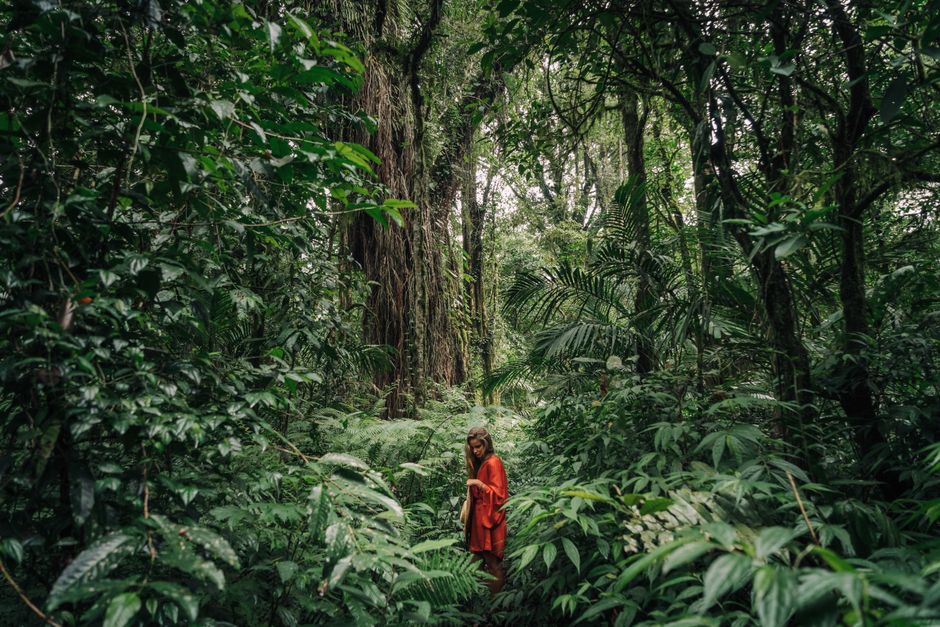
Public transportation in El Salvador is chaotic, cheap, and surprisingly effective if you know the rules.
Chicken buses (local buses)
These are repurposed US school buses, painted wildly, running set routes between towns. Cost: $0.25 to $2.00 per ride. No schedules. You wait at the stop and flag them down.
What nobody tells you: Drivers race each other. Seats are cramped. You will share your row with a bag of oranges, a live chicken, or someone’s sound system blasting reggaeton at 110 dB. It’s an experience. Do it once for the story. Then take Uber.
Uber (and why it’s better than taxis)
Uber operates in San Salvador, Santa Ana, and La Libertad. Fares are 30-50% cheaper than taxis. A 15-minute ride in San Salvador costs about $3.50. Drivers are professional. You see the route and price upfront.
Taxis will quote you $10 for the same trip. Negotiate hard or skip them entirely.
The one route you must book ahead
San Salvador to El Tunco (the main surf town) is a 45-minute drive. Uber costs $25-$35. A shared shuttle from hostels costs $10-$15. But the chicken bus route (San Salvador → La Libertad → El Tunco) takes 2+ hours and involves a transfer. Not worth it.
Book a shared shuttle through your hostel or use the Kayak app to compare shuttle prices. For $12, you save 90 minutes and avoid the transfer headache.
| Transport Mode | Cost (per trip) | Time (San Salvador to El Tunco) | Comfort | Best For |
|---|---|---|---|---|
| Chicken bus | $1.50 | 2-2.5 hours | Low | Budget travelers, experience seekers |
| Uber | $25-$35 | 45 min | High | Solo travelers with luggage |
| Shared shuttle | $10-$15 | 1 hour | Medium | Best value for solo |
| Private driver | $40-$60 | 45 min | High | Groups or airport transfers |
Verdict: Use Uber within cities. Take shared shuttles between tourist hubs. Try one chicken bus ride for the cultural experience—but not on transfer day with a backpack.
Safety: What Actually Gets You Into Trouble (and It’s Not Gangs)
The safety conversation around El Salvador is stuck in 2026. The homicide rate has dropped 95% since then. The country now has more police per capita than most of Europe.
But solo travelers still get into trouble. Here’s how.
Scams targeting tourists
Taxi drivers quoting $20 for a $5 ride. Street vendors selling “handmade” bracelets for $10 that cost $1 at the market. Fake tour guides outside the Santa Ana Volcano trail charging $30 for a hike that costs $5 at the park entrance.
Fix: Ask your hostel or hotel for the real price before you go anywhere. Use Uber for transport. Buy tours through reputable operators like SalvaNatura (official park concessionaire) or EcoTours El Salvador.
Petty theft
Phones snatched from hands on buses. Bags cut open in crowded markets. This happens in every Central American country. El Salvador is no different.
Fix: Keep your phone in a front pocket or a crossbody bag with a zipper. Do not dangle your camera from your wrist while walking. Leave your passport in the hotel safe—carry a photocopy.
The real risk: heatstroke and dehydration
El Salvador is hot. Coastal towns like El Tunco hit 95°F (35°C) with 80% humidity. The Santa Ana Volcano hike is 6 hours round trip with no shade and temperatures above 90°F.
I saw three people pulled off that trail in 2026 with heat exhaustion. One was a solo traveler who brought one 500ml water bottle for the entire hike.
Fix: Carry 2 liters of water minimum for any hike. Add electrolyte tablets. Start hikes before 7 AM. Wear a wide-brim hat and light-colored, loose clothing.
Verdict: El Salvador is safer than the media says. The real dangers are scams, petty theft, and underestimating the heat. Prepare for those, and you’ll be fine.
Where to Go on a Solo Trip: Three Routes That Actually Work
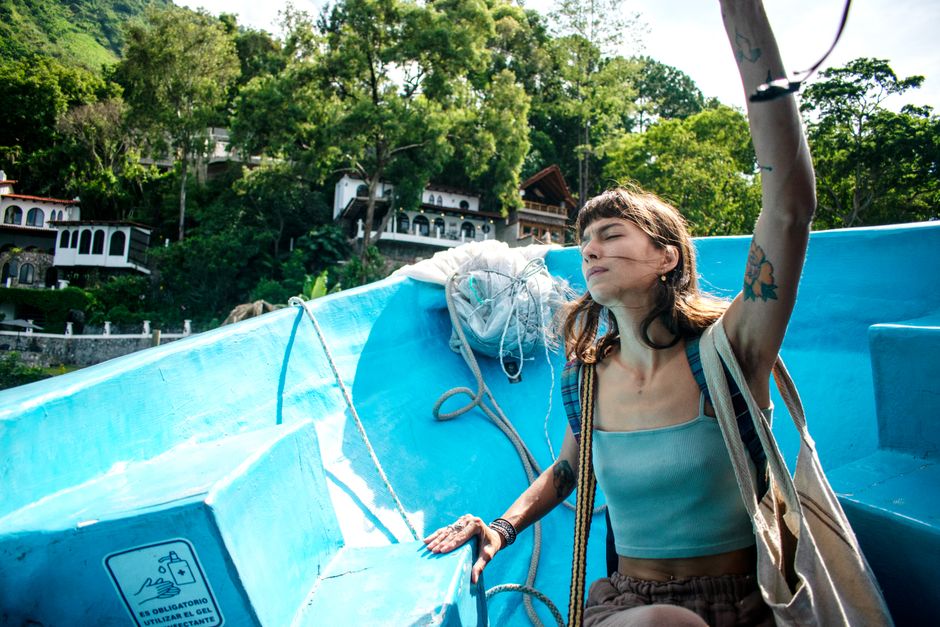
El Salvador is small—you can drive across the entire country in 4 hours. Most solo travelers try to do too much. Here are three realistic itineraries.
Route 1: The Surf & Chill (5-7 days)
Base yourself in El Tunco. Surf in the morning. Eat pupusas for lunch. Nap in a hammock. Repeat.
- Day 1: Arrive San Salvador, shuttle to El Tunco
- Days 2-4: Surf lessons ($25/hour with board rental), explore nearby Playa El Sunzal and Playa San Blas
- Day 5: Day trip to Tamanique waterfalls (entry $3, guide $10)
- Day 6-7: More surf or chill, depart from San Salvador
Route 2: The Volcano & Colonial Towns (7-10 days)
Start in San Salvador, move west. This route is better for solo travelers who want history and nature, not parties.
- Days 1-2: San Salvador (Museo de la Revolución, El Boquerón crater)
- Days 3-4: Suchitoto (colonial architecture, Lake Suchitlán boat tour)
- Days 5-6: Ruta de las Flores (Juayúa, Ataco, weekend food festival)
- Days 7-8: Santa Ana (climb the volcano, visit Cerro Verde National Park)
- Day 9-10: Return to San Salvador, depart
Route 3: The Full Loop (14 days)
Combines both routes above. Add the eastern beaches (Playa El Cuco, Playa Las Flores) and the Jiquilisco Bay biosphere reserve. This requires more planning and a rental car or private driver.
Verdict: For a first solo trip, pick Route 1 (short) or Route 2 (medium). Route 3 is for experienced solo travelers with 2+ weeks and a higher budget.
What to Pack for El Salvador (Leave Half of It at Home)
Solo travelers overpack for El Salvador. The country is casual. You don’t need a nice outfit. You don’t need hiking boots for city streets. You don’t need a towel (most hostels provide them).
Here’s the exact list I used for 21 days:
Clothing (pack for 5 days, wash on the road):
- 3 quick-dry t-shirts (Uniqlo Airism or similar)
- 2 pairs of shorts (one swim, one casual)
- 1 pair of lightweight long pants (for evenings and volcano hike)
- 1 long-sleeve sun shirt (for hikes and surf)
- 7 pairs of underwear and socks
- 1 light rain jacket (El Salvador has sudden downpours May-October)
- 1 pair of sturdy sandals (Chacos or Tevas—you’ll wear these 80% of the time)
- 1 pair of running shoes or trail runners (for hikes)
Gear that matters:
- Reusable water bottle with filter (Grayl GeoPress or LifeStraw Go)—tap water is not safe, and buying plastic bottles daily gets expensive
- Portable power bank (Anker PowerCore 10000, $25)—outlets in hostels are scarce
- Headlamp (Black Diamond Spot 400, $30)—power outages happen weekly in smaller towns
- Padlock for hostel lockers
- Sunscreen SPF 50+ (Supergoop Play or Neutrogena Ultra Sheer)
- Insect repellent with 30% DEET (Sawyer or OFF! Deep Woods)
Leave at home:
- Laptop (unless you work remotely)
- More than one pair of jeans
- Dress shoes or heels
- Beach towel (hostels provide them)
- Hairdryer (humidity will ruin your hair anyway)
Verdict: Pack for a 5-day trip. Do laundry once a week. Your backpack should weigh under 8 kg (18 lbs).
SIM Cards, WiFi, and Staying Connected as a Solo Traveler
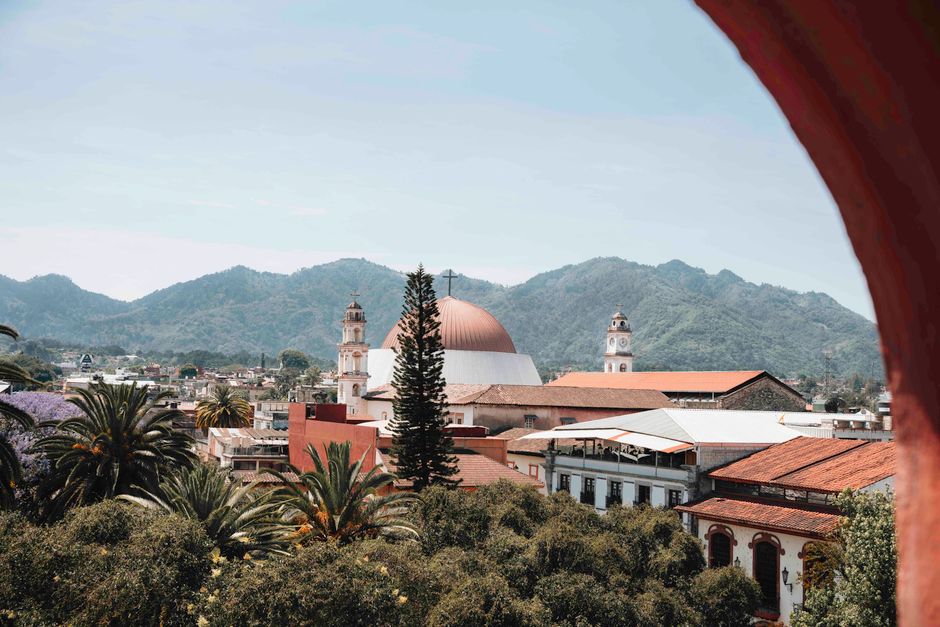
You need data. Google Maps for navigation. WhatsApp for communicating with hostels and tour operators. Uber for rides.
Here’s the best option for solo travelers.
Local SIM: Claro vs. Tigo
Both sell prepaid SIMs at the airport, convenience stores, and their official shops. Cost: $5-$10 for the SIM plus a data package.
| Carrier | Data Package (7 days) | Coverage | Best For |
|---|---|---|---|
| Claro | 5GB for $8 | Excellent in cities, good on highways | General use, streaming |
| Tigo | 4GB for $7 | Good in cities, spotty in rural areas | Budget travelers |
Claro has better coverage in the eastern part of the country (Playa El Cuco, Jiquilisco). Tigo is fine for the western route (Ruta de las Flores, Santa Ana).
How to buy: Go to a Claro store in any mall. Bring your passport. They’ll activate it in 5 minutes. Do NOT buy at the airport—the markup is 3x.
eSIM alternative
If you don’t want to swap physical SIMs, Airalo sells eSIMs for El Salvador. A 7-day plan with 3GB costs $12. Works instantly. No passport needed. But coverage is slightly worse than Claro’s physical SIM.
WiFi situation
Hostels and hotels in tourist areas have WiFi. Speed varies. In El Tunco, expect 10-15 Mbps—fine for WhatsApp and email, bad for Zoom calls. In San Salvador, most hotels have 25+ Mbps.
Buy the Claro SIM. Keep WhatsApp as your primary communication tool. Download offline Google Maps for the entire country before you arrive.
Verdict: Claro prepaid SIM ($8 for 7 days) is the best value. Airalo eSIM ($12) is the easiest. Both beat relying on hostel WiFi.