
Last spring I was in a co-working space in Medellín, trying to finish a proposal before a client call, when a jackhammer started on the street below. The AC unit behind me cycled every few minutes. My mid-range headphones made it tolerable. Not great — tolerable. That trip pushed me to finally run a proper head-to-head between the two headphones every nomad forum recommends: the Sony WH-1000XM5 ($279–$349) and the Bose QuietComfort Ultra ($429).
What I found surprised me — not about which one wins, but about which one wins for what.
How Noise Cancellation Actually Works — And Where the Marketing Exaggerates
Active noise cancellation samples ambient sound through external microphones and generates an inverse audio wave that cancels incoming noise before it reaches your ear. That’s the physics. What the marketing skips is the part that changes everything: ANC works well on some frequencies and poorly on others.
Low-frequency noise — airplane engines, train rumble, HVAC systems, the low thrum of a busy café — cancels cleanly. This is the sweet spot for ANC technology. Every decent headphone above $200 handles this well. The practical difference between brands at this frequency range is smaller than most reviews imply.
The Frequency Problem Nobody Mentions
High-frequency noise is a different problem. Voices, keyboard clicks, cutlery, sudden sharp sounds — ANC handles these poorly compared to low frequencies. What actually blocks high-frequency noise is passive isolation: the physical seal the ear cups create against your head. Fit and ear cup design matter as much as the electronics here.
A loose-fitting premium headphone will let in more voice noise than a snug mid-range one. If your primary working environment is an airplane cabin or train — consistent, low-frequency hum — almost any premium headphone solves it. If you’re in a loud open-plan office with unpredictable speech and movement, no ANC headphone will fully solve that. Worth knowing before you spend $400 expecting magic.
Adaptive ANC vs. Fixed ANC: What Actually Helps
Some headphones automatically adjust ANC based on detected activity and environment. Others give you a simple toggle: noise cancellation on, transparency mode, off. The adaptive approach sounds more sophisticated. In practice, automatic adjustments occasionally misread situations and shift the sound profile mid-call or mid-focus session.
For concentrated work, a predictable toggle is often more useful than a system making decisions for you. Understanding this distinction is what helps you evaluate headphone features honestly, rather than chasing the highest ANC rating on a spec sheet.
Head-to-Head Specs — Three Headphones, One Table

| Feature | Sony WH-1000XM5 | Bose QuietComfort Ultra | Bose QuietComfort 45 |
|---|---|---|---|
| Price (2026) | $279–$349 | $429 | $229–$279 |
| Battery (ANC on) | 30 hours | 24 hours | 24 hours |
| Quick charge | 3 min = 3 hrs | 15 min = 2.5 hrs | 15 min = 2.5 hrs |
| Folds flat | No — rigid oval case | Yes | Yes |
| Microphones | 8 mics (beamforming) | 6 mics | 4 mics |
| Weight | 250g | 254g | 238g |
| Multipoint Bluetooth | 2 devices | 2 devices | 2 devices |
| Spatial audio | 360 Reality Audio | Immersive Audio | No |
Two numbers define this comparison for nomads: battery and packability. Sony’s 30-hour battery handles a Bangkok–London flight plus a full next-day workday without touching a cable. Bose’s 24 hours cuts it close on ultra-long routes.
But the Sony WH-1000XM5 does not fold flat. The rigid oval case takes real space — more than you’d expect until you’re stuffing a carry-on at a budget carrier terminal. The Bose QuietComfort Ultra folds into a slim profile that fits in a jacket pocket. Over hundreds of trips, that distinction compounds.
Where the Sony WH-1000XM5 Actually Wins — It’s Not the ANC
For digital nomads on client calls, the Sony WH-1000XM5 is the clear professional tool. The microphone array is better — not marginally, but noticeably.
Eight microphones with beamforming and Sony’s Integrated Processor V1 chip running AI noise suppression means your voice arrives clean even from a loud environment. I’ve taken calls from outdoor café terraces with street noise, from hostel common rooms, from trains with mechanical ambient hum. People on the other end heard me clearly. The real test isn’t a lab measurement — it’s whether your clients think you’re in a quiet room when you’re not.
The 8-Microphone Difference on Video Calls
The Bose QuietComfort Ultra uses six microphones. The Bose QuietComfort 45 uses four. More microphones allow for better beamforming — isolating your voice from surrounding sound by using multiple directional samples simultaneously. The Sony’s eight-mic setup handles wind, background voices, and ambient clatter better than either Bose model. For casual calls, the difference is minor. For professional client calls where audio quality reflects on your credibility, the gap is real.
Multipoint Bluetooth Switching in Practice
Both headphones connect to two devices simultaneously — typically a laptop and a phone. When a call comes in on your phone while audio plays from your laptop, the headphone should switch automatically. Sony’s transition is faster and more reliable. Bose sometimes requires a manual re-pair when switching between active devices. Small friction. Over a full workday, small friction adds up.
The One Reason to Choose Bose Over Sony
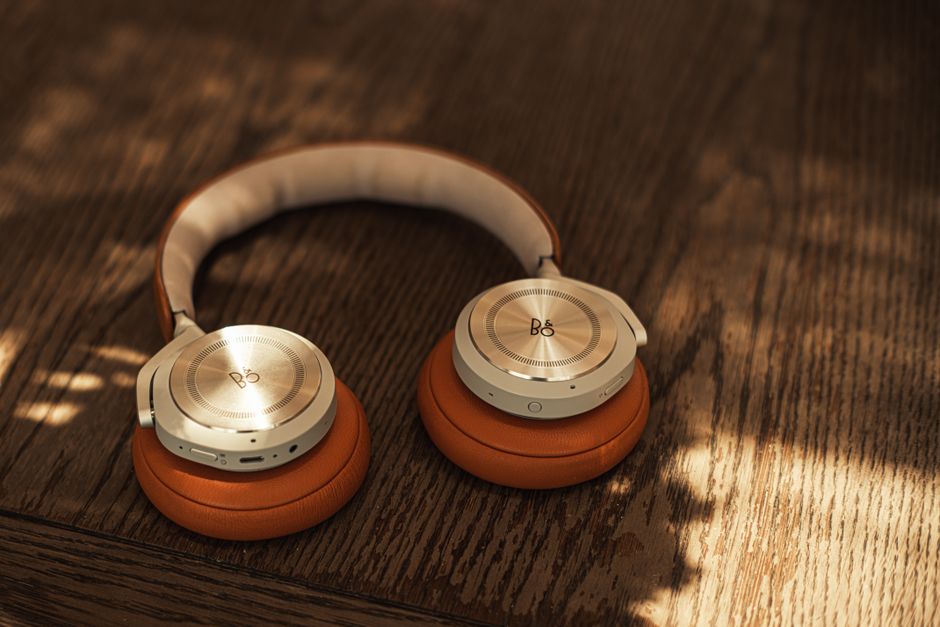
Comfort on long travel days. The Bose QuietComfort Ultra’s memory foam cushions and lighter clamping force outlast the Sony on extended wear. After four to five hours, the Sony WH-1000XM5 builds noticeable pressure at the top of the ear — consistent enough that I reach for the Bose on intercontinental flights, even knowing the Sony has the better specs for work.
Four Mistakes Remote Workers Make When Buying Headphones
- Buying on ANC rating alone. ANC performance depends on ear seal, head shape, and the specific frequencies in your environment. A headphone rated highest in a lab review may perform differently in your actual workspace. Read reviews from people working in similar environments, not just music listeners.
- Ignoring call microphone quality. Most headphone reviews focus on how music sounds inbound. If you’re on video calls six hours a day, the outbound microphone matters as much as the drivers. Look for dedicated call-quality sections in reviews before deciding.
- Underestimating the packing footprint. The Sony’s rigid non-folding case seems manageable until you’re fitting everything into a personal item bag at 5am. The difference between a folding and non-folding case is a real daily inconvenience on frequent travel schedules.
- Skipping the budget tier reflexively. If your work doesn’t depend on client video calls, the Bose QuietComfort 45 at $229 covers most of what the $429 Ultra does. ANC quality is close. It folds flat. Battery life is identical at 24 hours. The four-mic setup is weaker on calls, but for focused solo work, it’s more than sufficient.
Which Headphone to Buy, Based on Your Actual Situation

Your work depends on client video calls
Buy the Sony WH-1000XM5. Better microphone array, 30-hour battery, and $80–$150 cheaper than the Bose QC Ultra. The rigid case is the only real tradeoff. If professional call quality is your primary requirement, this is the answer.
You’re on long-haul flights constantly
Buy the Bose QuietComfort Ultra. At $429 it’s expensive, but softer cushions, a foldable design, and predictable ANC mode switching make it the better companion for monthly intercontinental routes. The comfort gap with the Sony compounds fast when you’re wearing headphones for nine hours on a plane and another eight hours the next day at a desk.
You want solid performance without the premium price
Buy the Bose QuietComfort 45. At $229 it folds flat, delivers 24-hour battery life, and offers ANC close to the Ultra. Skip it if client calls are central to your work — four microphones can’t match either premium option. For focused solo work, it’s the most efficient spend in the category.
The gap between Sony and Bose has been narrowing for years, and Sony’s next-generation flagship will likely close the comfort deficit that currently points long-haul travelers toward Bose. For now, the choice is simpler than the spec sheets make it look: calls or flights — that’s the question that decides it.