Let me be blunt. You will probably get some form of stomach trouble in India. It’s not a matter of if, but when. The good news? You can cut your risk by about 80% with the right habits and a few specific products. Here’s exactly what works.
1. The Water Rule: Bottled or Boiled, Nothing Else
Tap water in India is not safe for foreign stomachs. Period. Even brushing your teeth with tap water can cause problems. Stick to sealed bottled water or water you’ve boiled for at least one full minute.
Bottled water brands like Bisleri and Kinley are reliable. Check the seal is intact before opening. Some shops refill old bottles with tap water. If the seal looks tampered, hand it back.
Ice is a trap. Most ice is made from tap water. Ask for drinks without ice. That includes the ice in your cola, your juice, and your cocktail. If the drink isn’t hot, skip the ice.
Hot tea and coffee are usually safe because the water is boiled. Street chai is fine. But don’t let the vendor rinse your cup in a bucket of grey water first. Watch them pour boiling water directly.
2. Street Food: Three Rules That Keep You Safe
Street food in India is incredible. Biryani, dosa, chaat, samosas — you should eat it. Just follow three specific rules that locals use.
Rule one: Eat it hot. Heat kills bacteria. Anything cooked fresh in front of you and served steaming is low risk. The danger is food that’s been sitting out for hours at room temperature. Skip the pre-made stuff on display.
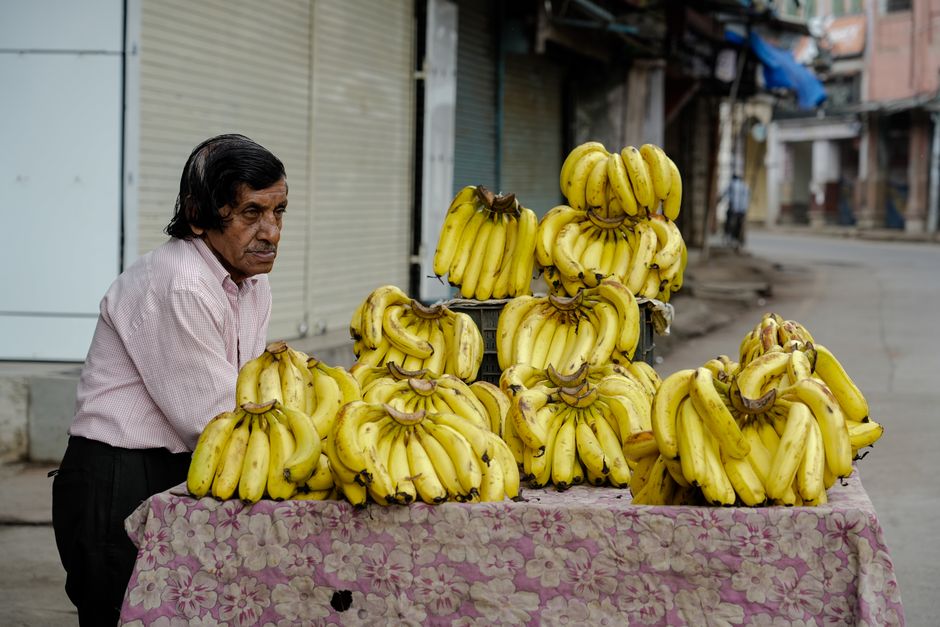
Rule two: Watch the peel. Fruits you peel yourself — bananas, oranges, mangoes — are safe. Cut fruit on the street? Skip it. The knife and the water used to rinse it are unknown variables.
Rule three: Avoid raw vegetables. Salads are risky. The vegetables were likely washed in tap water. Same goes for raw onion and coriander garnish on your chaat. Ask for no garnish.
One more thing: yogurt (dahi) and lassi are generally safe because the fermentation process keeps bad bacteria at bay. But only from a busy place with high turnover. Stale yogurt is a problem.
3. Hand Hygiene: The One Thing Most Travelers Forget
You touch money. You touch a railing. You touch a door handle. Then you eat a samosa with your hands. That’s how you get sick.
Carry a hand sanitizer with at least 60% alcohol. Use it before every meal. Not after you’ve already touched the food. Before.
Washing with soap and water is better, but not always possible. Public toilets in India often have no soap. Carry a small bar of soap in a ziplock bag. It takes up zero space and works better than sanitizer on visibly dirty hands.
Don’t touch your face. This sounds obvious, but you do it unconsciously. Every time you rub your eyes or wipe your mouth, you’re giving bacteria a direct route in. Be mindful of it for the first three days until it becomes habit.
4. Probiotics and Gut Prep: What Actually Works
Starting a probiotic a week before your trip can reduce your risk of traveler’s diarrhea by about 40%. That’s not a small number.
Saccharomyces boulardii is the specific probiotic strain with the most evidence for travel-related diarrhea. It’s a yeast, not a bacteria, so antibiotics won’t kill it. Brands like Florastor or Jarrow Formulas sell it in capsule form. Take one capsule daily starting 5 days before you leave and continue through your trip.
Lactobacillus rhamnosus GG (Culturelle) also has solid data. It reduces the duration of diarrhea if you do get sick. Take it alongside the Saccharomyces boulardii for double coverage.
Do not start probiotics the day you land. Your gut needs time to colonize. Start a week out.
5. The Medicine Kit: What to Pack and When to Use It
You need three things in your bag. Not twenty. Three.
Oral rehydration salts (ORS). These are not optional. Dehydration kills, not the diarrhea itself. ORS packets from brands like Electral or Pedialyte cost pennies and replace electrolytes. Mix one packet with one liter of safe water. Sip it slowly. Do not chug.
Loperamide (Imodium). Use this ONLY if you have to travel — bus, train, flight — and you can’t access a toilet. Do not use it if you have a fever or bloody stool. That’s a sign of bacterial infection, and stopping the diarrhea traps the bacteria in your gut. Bad idea.
Azithromycin. This is a prescription antibiotic. Get it from your doctor before you leave. It’s the first-line treatment for bacterial traveler’s diarrhea in Asia. Take a single 500mg dose if you have 3+ loose stools in 24 hours with fever or cramps. It works fast.
Do not take antibiotics for every loose stool. Most cases resolve on their own in 48 hours. Save the antibiotics for when you actually need them.
6. Restaurant Selection: How to Spot a Safe Kitchen
Not all restaurants are equal. Here’s how to pick a safe one in 30 seconds.
| Signal | Safe | Risky |
|---|---|---|
| Crowd | Full of locals eating | Empty at peak hours |
| Kitchen visibility | Open kitchen, you see the cooking | Closed door, no view of food prep |
| Cleanliness | Clean tables, no flies, staff in clean clothes | Dirty floors, flies around food, staff touching money then food |
| Water source | Sealed bottled water served | Jug of water from unknown source |
| Food turnover | High turnover, food cooked fresh constantly | Buffet-style food sitting under heat lamps |
Hotels with good reputations are usually safe. But don’t trust a fancy hotel restaurant more than a busy street stall. I’ve had worse food poisoning from a five-star hotel buffet than from a roadside dosa stand. The buffet food sat out too long. The dosa was cooked to order.
7. When It Hits Anyway: Stop It Fast
You did everything right. You still got sick. Now what?
First, don’t panic. Most traveler’s diarrhea resolves in 24-72 hours without treatment. Your job is to stay hydrated and wait it out.
Start ORS immediately. Mix one packet per liter of safe water. Drink one cup every time you have a loose stool. If you can’t keep liquids down, sip small amounts every five minutes. Ice chips made from safe water also work.
Do not take Imodium if you have a fever or bloody stool. That’s dysentery or a bacterial infection. You need antibiotics, not motility blockers. See a doctor if symptoms don’t improve after 48 hours or if you can’t keep fluids down for 12 hours.
Eat bland, easy foods. Plain rice, bananas, toast, applesauce. Skip dairy, spicy food, and caffeine until you’re fully recovered. Your gut lining is irritated. Give it a break.
And yes, you can still enjoy India. Getting sick once doesn’t mean your whole trip is ruined. Treat it, rest for a day, and get back out there.