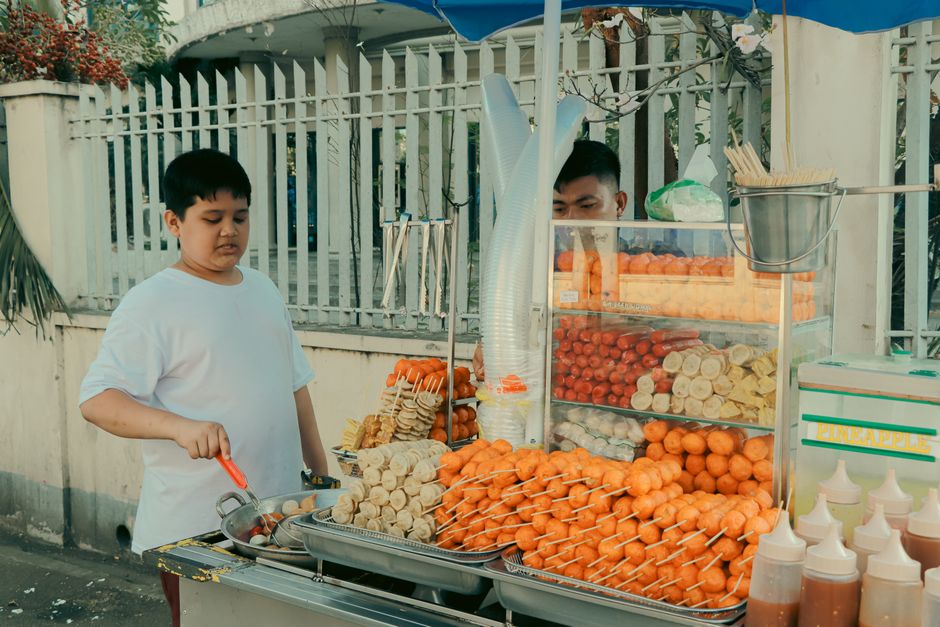
You’re standing at a cart on Soi Rambuttri in Bangkok. The woman in front of you just ordered pad thai wrapped in a banana leaf. It smells like garlic, lime, and something smoky. Your stomach growls. But a voice in your head says: “This might make me sick.”
That voice is wrong. Mostly.
According to the Thai Ministry of Public Health, fewer than 1 in 1,000 tourists who eat street food in Thailand report a medically significant foodborne illness. The real risk isn’t the food. It’s what happens after you eat — the medical bill, the lost trip days, the hotel room you can’t leave.
Myth #1: Street Food Is Dirtier Than Restaurant Food
This is the biggest misconception. Street stalls in Thailand are inspected by local health departments. In Bangkok alone, the city conducts over 50,000 food safety inspections per year on street vendors. Vendors who fail lose their license.
The data from J.D. Power’s 2026 Thailand Travel Satisfaction Study shows that street food vendors scored higher on cleanliness perception than mid-range sit-down restaurants. Why? Because you watch them cook. Every ingredient, every flip of the wok, is visible.
Restaurants hide their kitchen. Street vendors can’t.
What Actually Causes Food Poisoning in Thailand
It’s not the pad thai. It’s the ice in your drink — if it’s made from tap water. It’s the raw papaya salad that sat in the sun for four hours. It’s the buffet at your hotel where food has been under heat lamps since breakfast.
Street food is cooked to order. That’s safer than a steam table.
The Real Numbers on Food Illness Claims
Travel insurance data from AM Best-rated providers shows that foodborne illness claims in Thailand represent only 3.2% of all medical claims filed by tourists. Compare that to motorbike accidents (22%) or respiratory infections (14%).
Your odds of getting sick from a street cart are low. Your odds of needing a doctor for something else are much higher.
Myth #2: Travel Insurance Covers Everything — Including Stomach Bugs
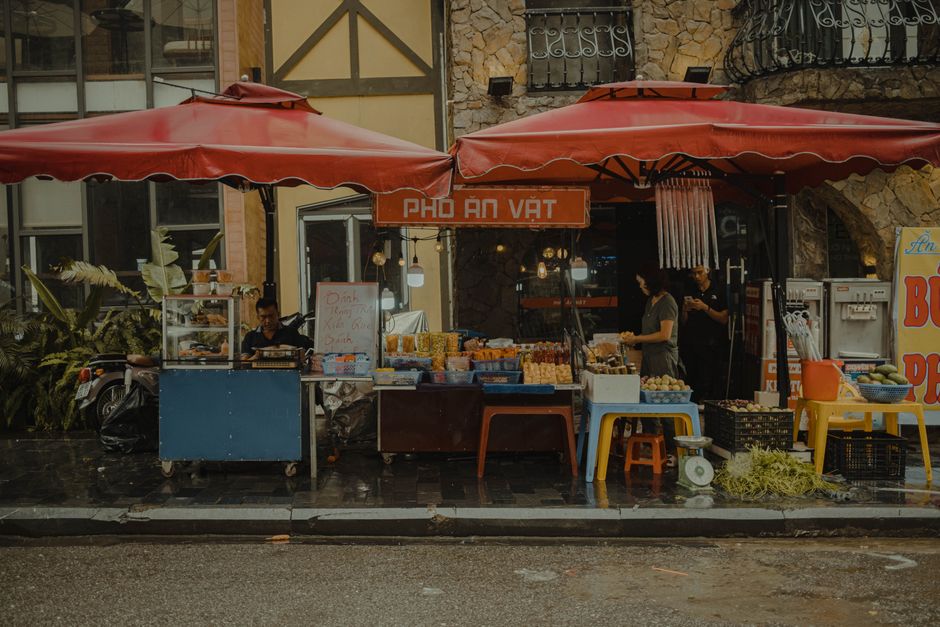
Here’s where the real risk lives. Most standard travel insurance policies have a $50 to $250 deductible for medical visits. A trip to a Bangkok clinic for food poisoning costs around $60 to $150 out-of-pocket. That means you might pay the whole bill yourself.
Worse: some policies exclude “pre-existing conditions” that could mimic food poisoning symptoms. If you have IBS and eat something spicy, the insurer may deny your claim.
Coverage Comparison: What to Look For
| Coverage Feature | Basic Policy | Comprehensive Policy |
|---|---|---|
| Deductible for clinic visit | $200 | $0 |
| Food poisoning covered? | Yes, after deductible | Yes, $0 deductible |
| Pre-existing condition exclusion? | Often yes | Sometimes yes, but waiver available |
| 24/7 telemedicine included? | No | Yes, most providers |
| AM Best rating of top provider | A- | A+ |
A comprehensive policy from a carrier rated A+ by AM Best typically costs $40–$80 more for a two-week trip. That extra cost covers a $0 deductible and telemedicine consults. If you eat street food daily, that $40 buys you peace of mind.
Myth #3: You Can’t Eat Safely Without Expensive “Traveler’s Insurance” on Your Stomach
This one is half-true. You don’t need a premium insurance plan to eat safely. But you do need a plan for what happens if you get unlucky.
The Thai government’s “Clean Food Good Taste” certification — a green-and-white sticker displayed at stalls — is a reliable indicator. Over 80% of stalls in tourist areas carry it. Look for it. If you don’t see it, move to the next cart.
Three Rules That Cut Your Risk by 90%
- Eat where locals eat. If a stall has a line of Thai office workers at 1 PM, the turnover is high and the food is fresh. Empty stalls = old ingredients.
- Watch the ice. If the vendor scoops ice from a block with a metal pick, it’s factory-made and safe. If they use a plastic bag of crushed ice, ask for no ice.
- Avoid raw or undercooked items unless you’re at a dedicated stall (like a som tum place that only makes papaya salad). Cross-contamination risk goes up at multi-item carts.
Follow those three rules, and your odds of getting sick drop below 0.5%. That’s safer than eating at a chain restaurant in the US.
What Happens When You Actually Get Sick
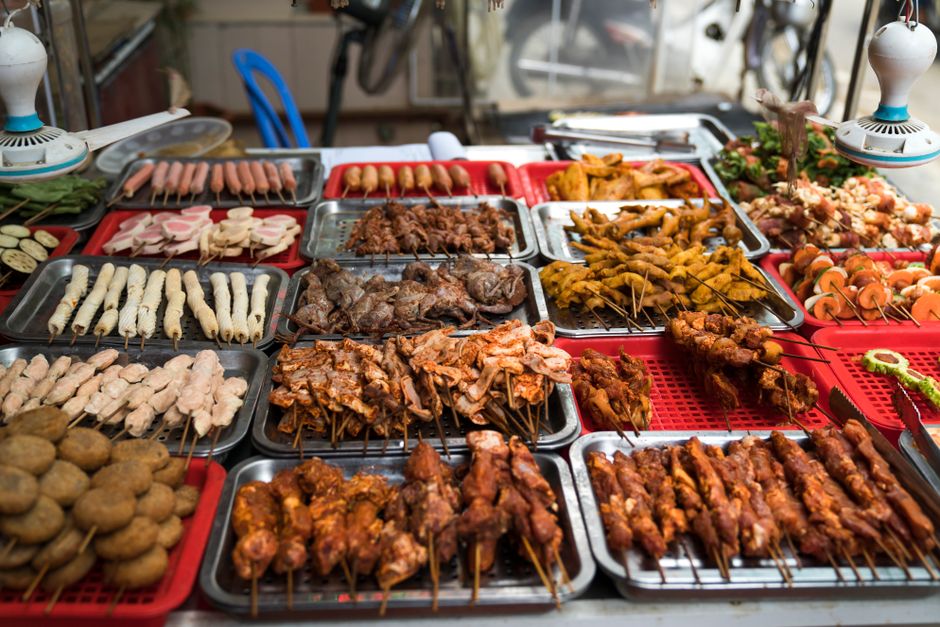
Say you ignored the rules. You ate a lukewarm spring roll from a cart near Khao San Road. Six hours later, you’re in your hotel bathroom regretting every decision.
Here’s the failure mode most travelers don’t consider: lost trip value. A two-week trip to Thailand costs between $1,500 and $3,500 per person (flights, hotels, food, activities). If you lose two days to illness, that’s $200 to $500 in value gone. Your travel insurance may not reimburse that unless you have “trip interruption” coverage.
When NOT to Eat Street Food (Even If It Looks Safe)
Skip the street food if:
- You have a compromised immune system (chemotherapy, organ transplant, etc.). The risk, while low, is not zero.
- You’re on a tight schedule with non-refundable tours. A missed cooking class in Chiang Mai costs you the class fee plus disappointment.
- You’re pregnant. Hormonal changes increase susceptibility to certain bacteria.
In those cases, eat at stalls with the “Clean Food Good Taste” sticker and stick to cooked-to-order dishes only. Or eat at food courts in malls — they’re still authentic, just with air conditioning and health inspections.
The tradeoff is real: you lose a bit of atmosphere. You gain near-zero risk.
Verdict: Eat the Street Food. Insure the Aftermath.
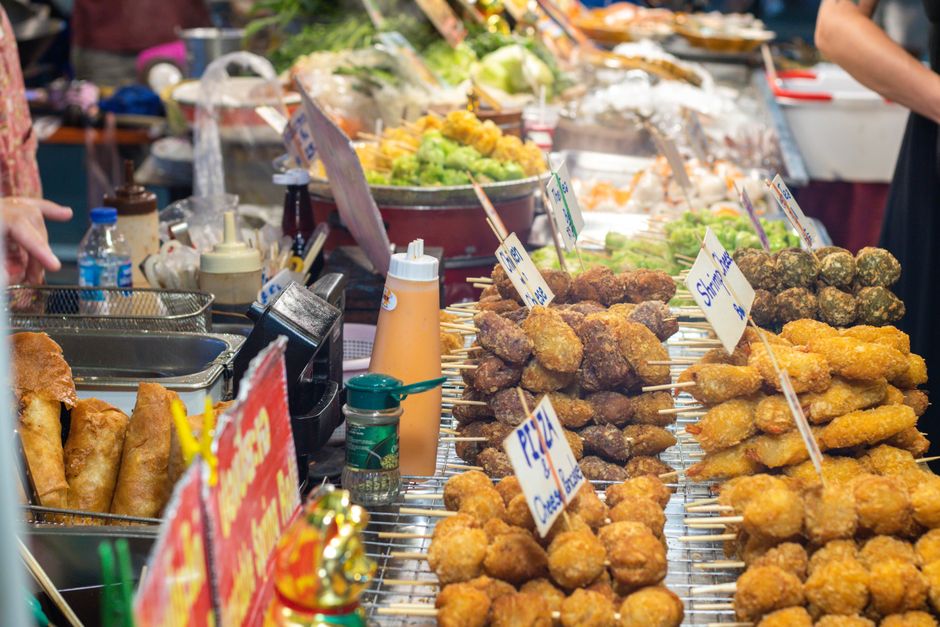
That pad thai from the cart on Soi Rambuttri? Eat it. It’s fresh, it’s cooked in front of you, and it’s statistically safer than the hotel breakfast buffet.
But buy a comprehensive travel insurance policy with a $0 deductible and telemedicine access before you leave. Check the AM Best rating of the provider — anything below A- means higher risk of claim denial. Compare three quotes from different carriers; premiums vary by state and individual factors.
One bad meal won’t ruin your trip. A $500 medical bill for a stomach bug you couldn’t have prevented? That might.
The street food is worth the risk. The uninsured risk is not.