Everyone knows Tuscany and Emilia-Romagna. But the real Italian food secrets live in regions most tourists skip. Le Marche, Molise, and Basilicata. These places have zero crowds, half the prices, and food that will ruin you for anything else.
I spent three weeks driving 1,200 miles through these three regions. This plan covers the route, the dishes you cannot miss, and the mistakes that will waste your time and money.
Why These Three Regions Beat Tuscany for Food
Tuscany has great wine and pasta. But it also has tourist-markup prices and reservation-only trattorias. Le Marche, Molise, and Basilicata offer better food for less money — and you can actually get a table.
Here is what you get in each region:
| Region | Signature Dish | Avg. Pasta Price (restaurant) | Tourist Density |
|---|---|---|---|
| Le Marche | Vincisgrassi (lasagna with truffles) | €10–€14 | Low |
| Molise | Timpallo (layered pasta bake) | €8–€12 | Very low |
| Basilicata | Peperoni cruschi (crispy dried peppers) | €9–€13 | Low |
The quality is the same or better. The prices are 30-40% lower than Florence or Bologna. And you will be the only foreigner in the room.
The 10-Day Route: Le Marche → Molise → Basilicata
This route flows south. You fly into Ancona or Bologna, drive down through Le Marche, cut east to Molise, then finish in Basilicata. Total driving time is about 15 hours spread over 10 days.
Days 1–3: Le Marche (Ascoli Piceno and Urbino)
Start in Ascoli Piceno. This town has one of Italy’s best piazzas and the best olives you will ever eat — olive all’ascolana, stuffed with meat and fried. Try them at Osteria del Gallo.
Drive 1.5 hours north to Urbino. The truffle pasta here is unreal. Go to Ristorante La Vecchia Fornarina for the vincisgrassi. Book a table two days ahead.
Between these two towns, stop at Loretello for fresh pasta made by hand in a farmhouse. No sign. No menu. Just a woman named Maria who cooks lunch for whoever shows up.
Days 4–6: Molise (Campobasso and Termoli)
Molise is Italy’s least-visited region. That is its superpower. Campobasso has a food scene that locals guard fiercely. Eat the timpallo at Taverna del Lupo — it is a massive baked pasta with ragù, mozzarella, and hard-boiled eggs.
Drive 1 hour to Termoli on the coast. The seafood here is ridiculous. Grilled squid, raw shrimp, and brodetto (fish stew). Try Ristorante Il Gabbiano for the catch of the day.
In the hills between these two, you will find caciocavallo cheese being made in small farms. Stop at any farm with a sign that says “formaggio”. They will let you taste.
Days 7–10: Basilicata (Matera and Potenza)
Matera is the star. The Sassi cave district is a UNESCO site, and the food matches the scenery. Eat crapiata (ancient grain and legume soup) at Osteria del Casale. Then get the lamb cooked in a bread oven at Le Bubbole.
Drive 45 minutes to Potenza. The peperoni cruschi (crispy dried peppers) here are addictive. They go on everything — pasta, pizza, salads. Buy a bag at Salumeria Arcuri to take home.
On your last day, drive 30 minutes to Acerenza. A tiny hilltop town with a bakery that makes bread in a wood-fired oven that has been running for 200 years. Buy a loaf. Eat it warm. You will cry.
The Three Mistakes That Ruin an Italian Food Road Trip
I made all of these on my first trip. Do not repeat them.
1. Booking restaurants in advance. In tourist-heavy regions, you need reservations. In these regions, you do not. Walk in at 7:30 PM. You will get a table. Booking ahead locks you into a schedule that kills spontaneity.
2. Driving on the autostrada for every leg. The A14 along the coast is fast and boring. The SS roads through the hills take longer but pass through towns with markets, bakeries, and farms. Take the slow roads. You will find better food.
3. Only eating at restaurants. The best meals in these regions come from forni (bakeries), salumerie (deli shops), and mercati contadini (farmers markets). In Ascoli Piceno, the Saturday market has porchetta sandwiches for €5. In Matera, the Wednesday market sells fresh ricotta that tastes like cream and sunshine.
What This Trip Costs (Real Numbers)
Here is the breakdown for two people, 10 days, including everything except flights.
| Category | Budget (€) | Mid-Range (€) |
|---|---|---|
| Car rental (Fiat 500 or similar) | 350 | 550 |
| Fuel (1,200 miles) | 180 | 180 |
| Accommodation (agriturismi) | 600 | 1,000 |
| Food (all meals + market snacks) | 500 | 800 |
| Tolls and parking | 80 | 80 |
| Total | €1,710 | €2,610 |
Compare that to a week in Tuscany, where you would spend €2,000+ on food and accommodation alone. These regions give you more for less.
When NOT to Drive This Route (And What to Do Instead)
Do not drive this route in August. Italians take their holidays then. Many restaurants and bakeries close for two to three weeks. The coastal towns get crowded. The hill towns go silent.
If you are traveling in August, reverse the route. Start in Basilicata, which stays active because of Matera’s tourism. Then work north. Or skip the car entirely and take trains between major towns — Ancona to Termoli, Termoli to Matera — and use local buses for the smaller stops.
Do not attempt this trip if you have less than 7 days. You will spend half your time driving. Stick to one region instead. Le Marche alone deserves five days.
Do not bring a large suitcase. These towns have cobblestone streets and stairs. A 40L backpack or a small rolling bag (carry-on size) is the maximum you want.
My Final Recommendation for This Trip
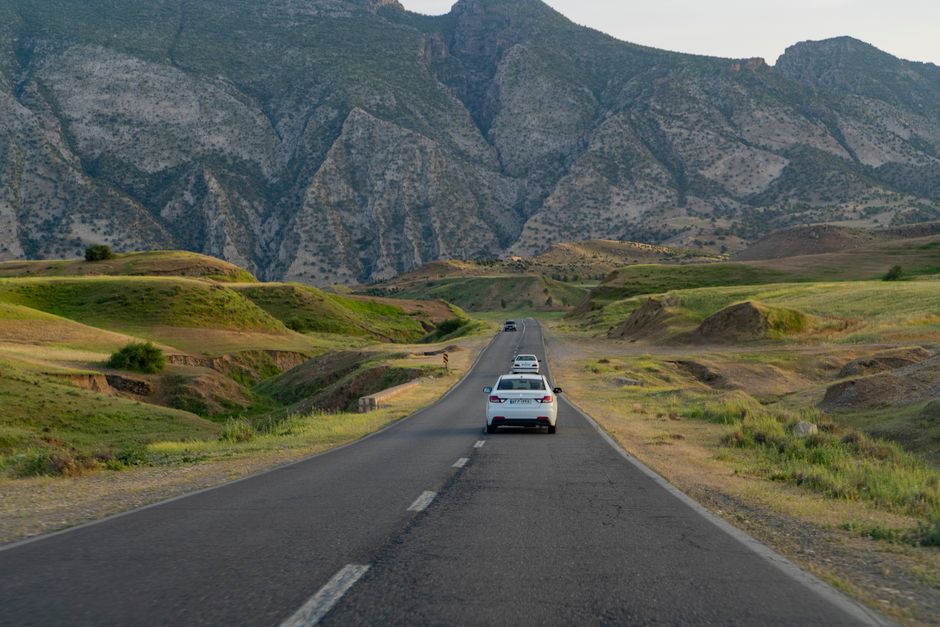
Fly into Bologna. Rent a car from the airport. Drive to Ascoli Piceno on day one. Follow the route south. Eat at the markets. Take the slow roads. Talk to the farmers who sell cheese from the back of a truck.
For accommodation, book agriturismi (farm stays) through local booking sites, not international chains. You will get a room on a working farm with dinner included. The farm dinner alone is worth the price of the stay.
Bring an empty bag for the food you will want to bring home. Olive oil from Le Marche. Caciocavallo from Molise. Peperoni cruschi from Basilicata. Your kitchen will thank you.