You can ski steep reds, handle firm blacks, and stay calm when the piste disappears under fresh snow. Now you want an Alpine resort that gives your ability room to grow instead of sending you back to the same wide beginner runs. These seven ski resorts stand out for serious vertical, varied terrain, high-altitude snow, and access to demanding routes. The ranking favors the quality of advanced skiing over nightlife, family facilities, or the biggest lift-pass number.
How I ranked ski resorts in the Alps for advanced skiers
Terrain matters more than piste kilometres
A resort can advertise hundreds of kilometres while offering only a small amount of terrain that challenges a strong skier. I looked for sustained fall-line skiing, moguls, steep faces, tree runs, marked ski routes, freeride access, and long descents. I also separated marked terrain from unpatrolled glacier routes. That distinction matters because an expert skier may be comfortable on a black piste but still lack the navigation, avalanche, and glacier skills needed for a serious off-piste descent.
Snow, lifts, and access shape the day
Altitude received extra weight for a 2026 ranking because low snow can turn an advanced trip into a hunt for open sectors. Efficient lifts also count. Advanced skiers lose interest quickly when a 90-second run requires a slow, exposed ride and two bus transfers. The shortlist balances high terrain with useful lift networks, good north-facing options, and enough variety for a four- to seven-day stay. Figures can change between seasons, so check the live piste map and avalanche bulletin before committing to a route. The official Chamonix ski-area overview shows why the valley is judged as a collection of distinct mountains, not one continuous piste network.
The 2026 shortlist at a glance
Read this table before choosing
The ranking is about the right match for an advanced skier, not a claim that one mountain beats every other mountain in every condition. Resort totals use the operators’ published figures, and “expert ceiling” means the level of skiing available when weather, avalanche control, and lift operations cooperate.
| Rank | Resort | Published scale | Best advanced feature |
|---|---|---|---|
| 1 | Verbier, Switzerland | 410 km; 3,330 m high point | Lift-served freeride and steep itineraries |
| 2 | Chamonix, France | 110+ km marked pistes; 3,842 m Aiguille du Midi | Glacier descents and big-mountain routes |
| 3 | Arlberg, Austria | 305 km pistes; 200 km deep-snow terrain | Powder variety across linked villages |
| 4 | Zermatt, Switzerland | 360 km; 3,899 m high point | High-altitude and cross-border skiing |
| 5 | Tignes–Val d’Isère, France | 300 km; 3,230 m high point | Snow reliability and steep piste skiing |
| 6 | Les 3 Vallées, France | 600 km; 3,230 m high point | Endless route planning and vertical |
| 7 | Ischgl–Samnaun, Austria–Switzerland | 239 km; 2,872 m high point | Fast laps and demanding groomers |
1. Verbier is the strongest all-round pick for freeride skiers
Why it ranks first
Verbier is the best overall choice for an advanced skier who wants lift access to serious terrain. The linked 4 Vallées area lists 410 kilometres of runs, 80 lifts in its published tourism material, and a summit at 3,330 metres on Mont Fort. Its real advantage is not the headline number. It is the concentration of steep, high-altitude lines around Verbier, Tortin, Chassoure, Mont Gelé, and Mont Fort. On a good powder day, you can move between bowls, marked freeride itineraries, and demanding pistes without turning the trip into a full expedition.
The tradeoff advanced skiers should accept
Verbier is not forgiving when visibility collapses. Some routes become serious terrain very quickly, and the resort’s reputation attracts crowds after a storm. The safest mistake is to treat marked freeride itineraries as ordinary pistes. They may be controlled and signed, but they are not groomed runs. A guide or local instructor adds real value for first visits, especially around avalanche terrain. The official Verbier tourism data confirms the 410-kilometre network and 3,330-metre Mont Fort summit. Verdict: choose Verbier for the broadest mix of lift-served off-piste, steep pistes, and a lively village.
2. Chamonix delivers the highest expert ceiling
What makes Chamonix different
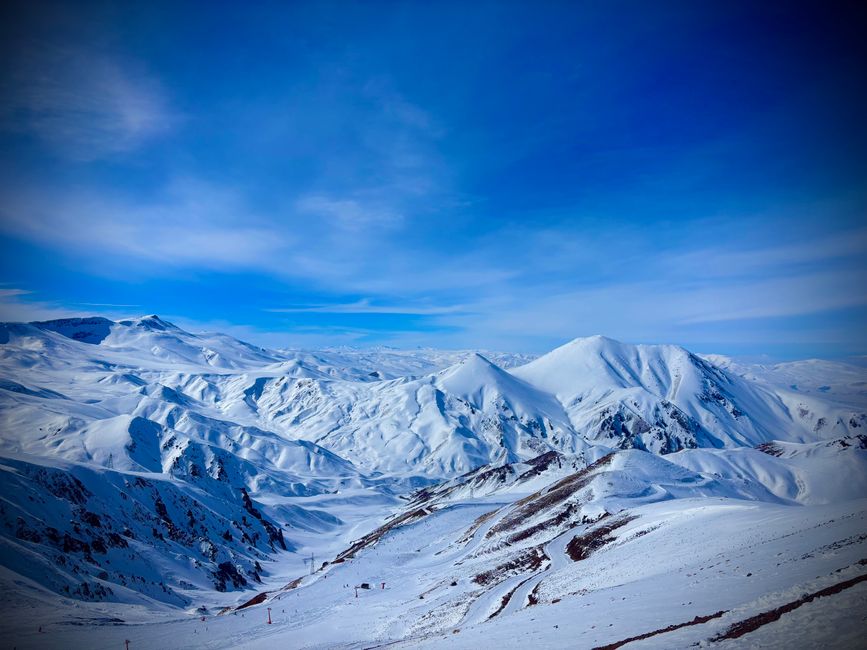
Chamonix is the most compelling destination here for a skier who sees the resort as a base for mountain routes rather than a single connected ski area. The valley has more than 110 kilometres of marked pistes spread across Grands Montets, Brévent–Flégère, Balme, and Les Houches. That layout means you will use valley transport, but it also gives you different snow orientations and very different terrain in one stay. Grands Montets is the advanced skier’s anchor, with steep faces, firm fall-line pistes, and freeride options beside the glaciers. The planned return of access toward 3,275 metres during the 2026–27 season could restore more of the area’s high-mountain appeal, subject to construction and snow conditions.
Why the Vallée Blanche needs a guide
The Vallée Blanche is a roughly 20-kilometre glacial descent from the Aiguille du Midi. It is unmarked, unpatrolled, and exposed to crevasses, seracs, changing visibility, and route-finding problems. Strong piste ability alone does not qualify someone for it. The official Vallée Blanche guidance recommends a mountain guide, and that is the correct call. Verdict: Chamonix ranks second because its expert ceiling is unmatched, but it is the wrong choice for anyone who wants a simple ski-in, ski-out piste holiday.
3. Arlberg is the best Austrian choice after a storm
Where advanced skiers should focus
The Arlberg links St. Anton, St. Christoph, Stuben, Lech, Zürs, Warth, and Schröcken under one ski pass. The area publishes 305 kilometres of slopes and 200 kilometres of deep-snow terrain. That split tells you more than a generic “expert-friendly” label. Arlberg gives advanced skiers a large menu of powder bowls, wooded descents, steep pistes, and marked ski routes, with enough village-to-village variation to keep a full week interesting. Stuben and St. Anton suit skiers who want a harder edge. Zürs and Lech offer more polished lift access and wide open bowls.
The common mistake
Do not assume every deep-snow kilometre is a safe, patrolled run. Weather, wind loading, and avalanche control decide which lines are sensible on the day. The Arlberg’s official ski information separates groomed slopes from deep-snow terrain for a reason. Verdict: Arlberg is the smartest pick for advanced skiers who want reliable powder variety, but it rewards local knowledge more than a map-reading sprint.
4. Zermatt and Tignes–Val d’Isère win on altitude
Zermatt: high, scenic, and cross-border
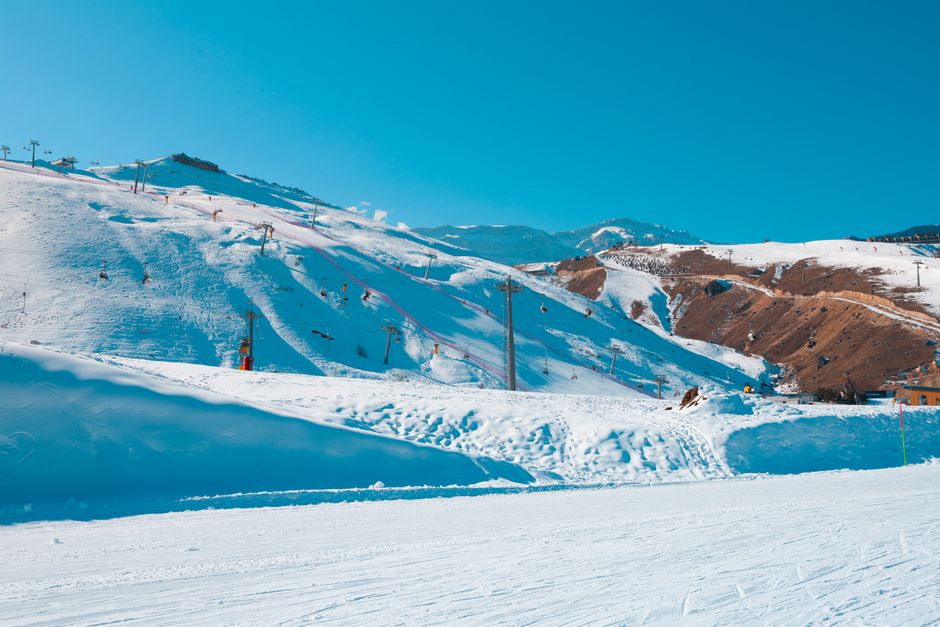
Zermatt shares the Matterhorn Ski Paradise with Cervinia and Valtournenche, creating a published 360-kilometre network. The high point reaches 3,899 metres at Gobba di Rollin. That elevation supports long-season skiing and spectacular glacier views, while the route into Italy adds a genuine day-trip dimension. Zermatt is best for an advanced skier who likes long red runs, high-altitude cruising, and the option to add marked ski routes. It ranks fourth because the most technical terrain is less concentrated than in Verbier or Chamonix, and wind can close high lifts.
Tignes–Val d’Isère: the safer bet for a piste-heavy trip
Tignes–Val d’Isère offers 300 kilometres of pistes, 1,900 metres of vertical range, and a high point around 3,230 metres. It is the stronger choice for advanced skiers who want steep groomers, moguls, race-style carving, and dependable links between sectors. Tignes feels more purpose-built and high altitude; Val d’Isère brings a historic village and demanding Bellevarde terrain. The Val d’Isère resort figures support the 300-kilometre and 1,900-metre claims. Verdict: choose Zermatt for altitude and scenery; choose Tignes–Val d’Isère for repeated hard-piste laps.
5. Les 3 Vallées is the choice for maximum route variety
Why size helps experienced skiers
Les 3 Vallées has 600 kilometres of interconnected slopes, 159 or more lifts depending on the published season figure, and terrain from about 1,100 to 3,230 metres. Around 85% of the area sits above 1,800 metres. For an advanced skier, the value is not simply having more runs. It is the ability to change valley, aspect, altitude, and snow surface when one sector is crowded or wind-affected. Start in Méribel for forested routes, move toward Courchevel for polished piste skiing, then finish around Val Thorens or Orelle when you need higher terrain.
When not to choose it
Do not book Les 3 Vallées if your group wants one compact mountain with instant familiarity. The scale can create long traverses, late-return risk, and decision fatigue on a whiteout day. Pick a base carefully: Val Thorens favors snow and high alpine terrain, Méribel favors central access, and Courchevel favors polished infrastructure and village choice. The official Les 3 Vallées guide confirms the 600-kilometre network and high-altitude profile. Verdict: it is the best resort for a strong skier who values exploration over concentrated steepness.
6. Ischgl is built for fast, technical piste skiing
The case for Ischgl–Samnaun
Ischgl’s Silvretta Arena links Austria and Switzerland across 239 kilometres of slopes, from 1,377 to 2,872 metres. The area has 46 lifts and a useful mix of long red runs, black pistes, race-style sections, and wide groomed terrain. Its lift system makes it easy to build a high-mileage day without repeated waits. Advanced skiers who prefer clean edges, speed control, and steep groomers may enjoy Ischgl more than a larger but slower freeride destination. The cross-border route to Samnaun adds variety without demanding glacier travel or a guide-led descent.
Its clear limitation
Ischgl is not the number-one choice for a skier whose main goal is deep, technical off-piste terrain. The resort’s identity leans toward fast piste laps, efficient lifts, events, and busy après-ski. The official Silvretta Arena figures list 239 kilometres and a 2,872-metre top station. Verdict: Ischgl is the right seventh pick for advanced piste skiers who want speed, convenience, and a lively base.
| Best match | Choose | Why |
|---|---|---|
| Lift-served freeride | Verbier | Steep itineraries and broad terrain around Mont Fort |
| Big-mountain descent | Chamonix | Vallée Blanche and high-alpine routes |
| Fresh snow variety | Arlberg | Deep-snow terrain across several linked villages |
| High-altitude scenery | Zermatt | Matterhorn views and cross-border skiing |
| Hard piste skiing | Tignes–Val d’Isère | Steep groomers, moguls, and a 3,230-metre high point |
| Exploration | Les 3 Vallées | 600 kilometres across three connected valleys |
| Fast resort laps | Ischgl | Efficient lifts and 239 kilometres of varied pistes |