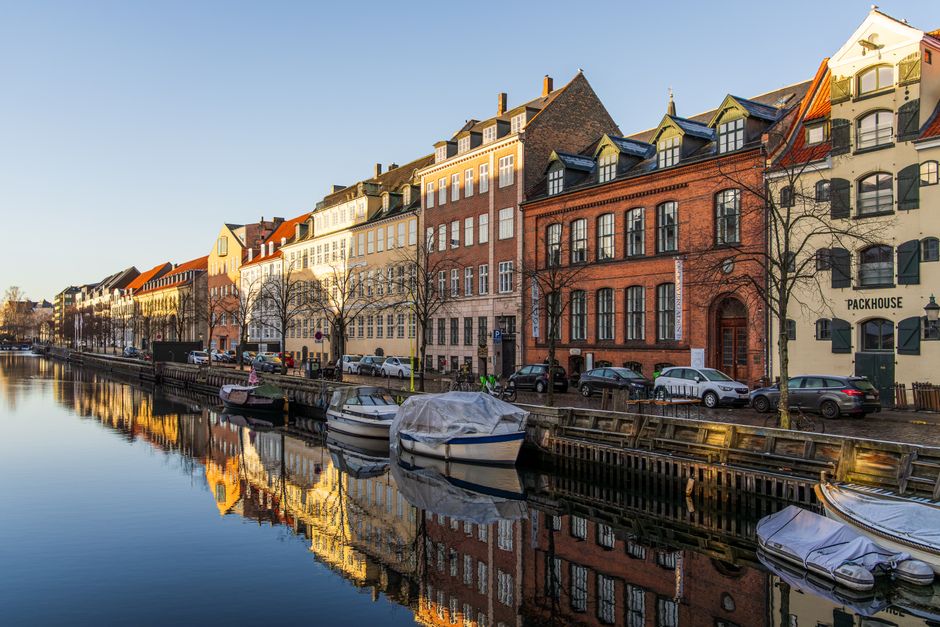
A common misconception is that February guarantees empty museums. It does not. School holidays, Valentine’s weekend, major exhibitions and bad-weather crowds can still create long lines. The consumer-first verdict is clear: choose the city carefully, book timed entry before flying and treat every museum pass as a coverage policy with exclusions.
Is February actually quieter for museum city breaks?
Yes, but only if you avoid the obvious pressure points. February usually brings fewer international visitors than late spring and summer, yet a rainy Saturday can push thousands of people into the same galleries. The best low-queue break is not simply a trip taken in February; it is a weekday trip built around opening times, school calendars and timed reservations.
Which February cities usually offer shorter museum waits?
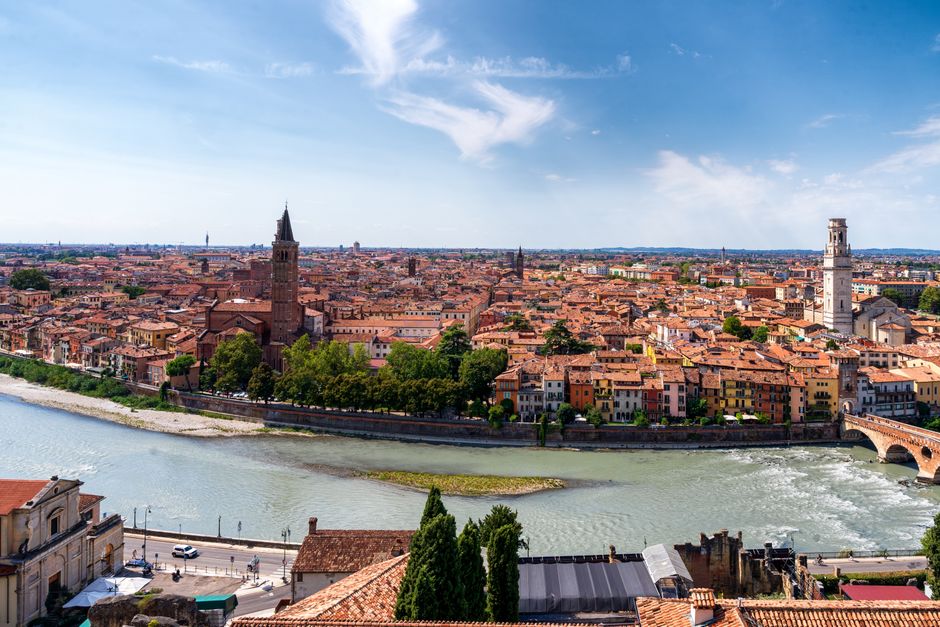
Madrid is the strongest choice for a short art-focused break because its major museums sit close together, entry prices remain moderate and several venues open late or offer free final hours. Paris offers the widest range of museums, but the Louvre and Versailles can still be crowded even in winter. Amsterdam works well for visitors who reserve the Rijksmuseum and Anne Frank House early. London has many museums, but its popular paid attractions can stay busy during half-term weeks.
| City | Best February use | Queue-control move | Main warning |
|---|---|---|---|
| Madrid | Two-day art break | Visit the Prado at opening or during its final two free hours | Free periods can fill quickly and remain capacity-controlled |
| Paris | Three-day museum and monument break | Book Louvre or Versailles slots before activating a pass | The Paris Museum Pass does not guarantee a slot |
| Amsterdam | Compact museum weekend | Reserve Rijksmuseum entry and schedule one major museum per day | Rain sends visitors indoors, especially at weekends |
| London | Mixed museums and landmarks | Start at paid attractions before 10 a.m. and use free museums later | Half-term can erase the normal winter advantage |
For the shortest and most predictable waits, Madrid is the best overall pick. Paris wins for variety, while Amsterdam wins for a compact walking itinerary. London is the least reliable choice if avoiding queues is the main objective, because its attractions draw both tourists and local families during school breaks.
How should you schedule a queue-light museum weekend?
The best plan is to manage visitor flow rather than chase a mythical empty museum. Crowds build in predictable waves: at the first major opening, after lunch when the weather worsens, and during the final free-entry period. A strong itinerary places one high-demand museum in the morning, a flexible indoor or outdoor stop after lunch and a smaller collection late in the day.
- Check closures before booking transport. Museums often close on a fixed weekday, but renovation work, national holidays and one-off events can change access. Never build a two-day break around a single headline museum until its official calendar shows an open date.
- Reserve the anchor visit first. Pick the one museum that would make the trip worthwhile, then secure its date and time. Add restaurants and nearby sights around that booking instead of trying to force the museum into an already full schedule.
- Use a 90-minute arrival buffer. A timed ticket is not the same as instant entry. Security checks, cloakroom lines and a walk from the station can consume 20 to 40 minutes. Arriving just before the slot creates stress and can make a missed reservation expensive.
- Keep the second museum small. Two large collections in one day usually produce fatigue, rushed viewing and a late arrival at the second entrance. Pair a major museum with a house museum, design collection or archaeological site that takes 60 to 90 minutes.
- Move outside at the busiest indoor hours. From roughly 11:30 a.m. to 3 p.m., popular museums often become loud and slow. Use that window for a market, covered arcade, river walk or long lunch, then return for a late-afternoon collection.
The most common mistake is treating February weather as a scheduling detail. It is the main crowd variable. A cold, wet Saturday changes a quiet street into a queue at every famous indoor attraction. A flexible itinerary with one reserved visit and two nearby alternatives beats a rigid list of four headline museums.
What do February museum passes actually cover?
Museum passes can reduce ticket friction, but they are not universal skip-the-line insurance. Read them like a policy: identify the covered sites, the activation period and the exclusions before paying.
Paris Museum Pass: broad coverage with reservation exclusions
The Paris Museum Pass covers more than 50 museums and monuments. The official 2026 prices are €85 for 48 hours, €105 for 96 hours and €125 for 144 hours. It allows one entry per site and can save money from the fourth visit on the two-day version. The important exclusion is access control: some venues still require a free time slot, security screening or a separate reservation. Temporary exhibitions are not included, and the pass is non-refundable and non-exchangeable.
Madrid and Amsterdam: better value for targeted plans
Madrid’s Art Walk Pass costs €32.80 and covers one visit each to the Museo del Prado, Museo Reina Sofía and Museo Thyssen-Bornemisza within one year. It is a strong choice for a focused art weekend, but it does not cover every museum in the city. The Museo del Prado itself costs €15, requires a time pass and offers free collection access during its final two hours, subject to capacity.
The I amsterdam City Card offers 24-, 48-, 72-, 96- and 120-hour versions, free or discounted entry to more than 100 museums and attractions, plus unlimited Amsterdam city public transport. It is most useful when the itinerary includes several included venues and regular tram travel. The London Pass offers access to 112 attractions, with a two-day adult price of £155 on the official site, but popular attractions may still require booking and the pass does not turn every entrance into an immediate walk-in.
| Pass | Published price or duration | Best for | Key exclusion |
|---|---|---|---|
| Paris Museum Pass | €85 for 48 hours | Four or more included sites | Some reservations and temporary exhibitions |
| Madrid Art Walk Pass | €32.80 | Prado, Reina Sofía and Thyssen | Only three named museums |
| I amsterdam City Card | 24 to 120 hours | Museums plus city transport | Not every major attraction is included |
| London Pass | £155 for two days | Fast-moving landmark itinerary | Some attractions still need reservations |
When should you skip a museum pass?
Skip the pass when your February plan contains fewer than three paid visits or several venues with separate reservation rules. Buying an expensive pass for convenience can create false savings, especially when a city has free museums or discounted late hours.
- Skip the Paris Museum Pass if your list contains only the Louvre and Musée d’Orsay. Buying individual timed tickets may cost less and gives you more control.
- Skip the London Pass if your priority is the British Museum, National Gallery and Victoria and Albert Museum. These major museums are free for general admission, so the paid pass may add cost without improving access.
- Skip the I amsterdam City Card if you plan to visit only the Rijksmuseum and Anne Frank House. The card’s value comes from combining several included museums with public transport, not from one headline attraction.
- Skip Madrid’s Art Walk Pass if you prefer small galleries, historic houses or outdoor sights. Its value is concentrated in the three named art museums.
Another failure mode is activating a pass at the wrong time. A pass that runs for 48 consecutive hours should start when the first major museum opens, not when you arrive at the airport or check into your hotel. If the pass begins at 4 p.m., the first day may deliver very little value.
What does a two-day low-queue itinerary look like?
Should the first museum be booked for opening time?
Yes. Put the highest-demand collection first, ideally on a Tuesday, Wednesday or Thursday. In Madrid, an opening-time Prado visit gives you quieter access to the central galleries before the day’s groups arrive. In Paris, use the same principle for the Louvre, but confirm its weekly closure and reserve the exact time before travelling. Do not assume a pass removes that requirement.
How should the afternoon be used?
Keep the afternoon flexible. After lunch, choose a smaller collection near the morning venue or take an outdoor break. In Amsterdam, pair one reserved major museum with a canal district walk and a smaller included attraction. In London, use the free national museums after visiting a paid landmark early. This reduces the risk of losing a reservation because the first queue ran long.
What should happen on day two?
Start with the second essential museum, then leave one unbooked block for weather, closures or a repeat visit. A practical Madrid plan is the Reina Sofía in the morning, the Thyssen-Bornemisza after lunch and a short walk along the Paseo del Prado before dinner. A Paris plan can place Musée d’Orsay early, a nearby neighbourhood at midday and a smaller museum late in the afternoon. The winning structure is one fixed anchor, one paid backup and enough space to change course.
That is the answer to the opening misconception. February does not empty every museum, but a weekday city break with advance reservations, realistic transfer time and clear pass exclusions can feel remarkably calm. Choose Madrid for the most predictable art weekend, Paris for the widest range, Amsterdam for compact variety and London only when its broader attractions matter more than guaranteed short waits.