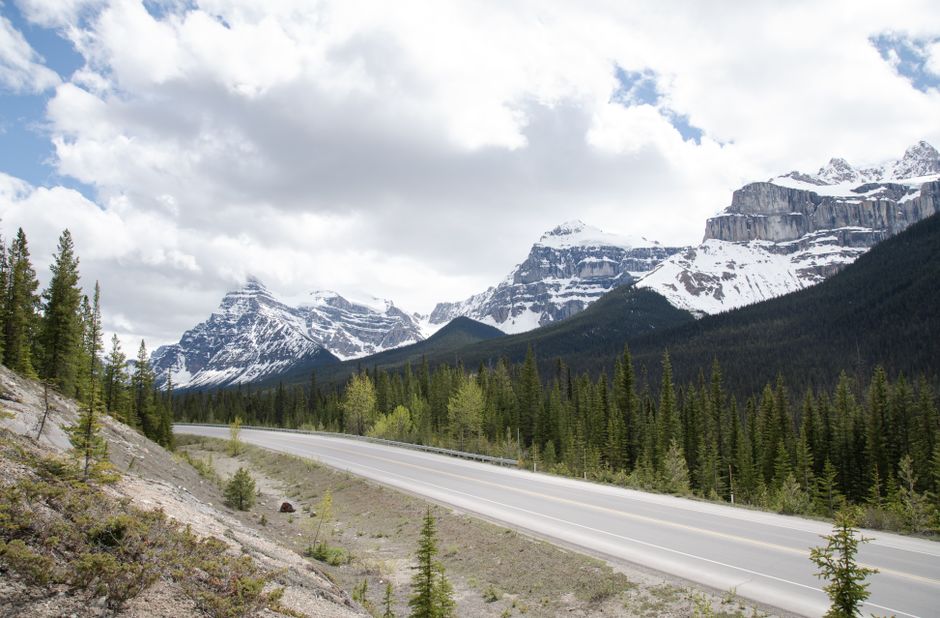
A national park road trip can be one of the best family vacations you take, but only when the route matches a child’s limits. The honest 2026 verdict: yes, it is worth it for families who plan short drives, simple walks, and real rest days.
Is a National Park Road Trip Worth It with Young Kids?
The experience is worth more than the checklist
Young children do not need to hike 10 miles or visit five parks to remember a trip. They need a creek to splash in, bison viewed from a safe distance, a picnic beside a lake, and enough time to ask questions without being rushed from one viewpoint to the next. National parks offer those moments at a lower activity cost than theme parks or resort vacations.
The catch is that a road trip exposes every weak part of your plan. A six-hour drive after a poor night of sleep can turn a beautiful destination into a family argument. A packed itinerary creates the same problem. The strongest plan usually covers one major park, or two nearby parks, over five to eight days.
My clear verdict for 2026
Choose the road trip if your family can handle driving in two-hour blocks and you are willing to leave empty space in the schedule. Skip it if the route requires daily drives longer than four hours, repeated hotel changes, or strenuous trails. The scenery is free once you arrive; your family’s energy is the scarce resource.
What Age Works Best for a National Park Family Trip?
Is age two too young?
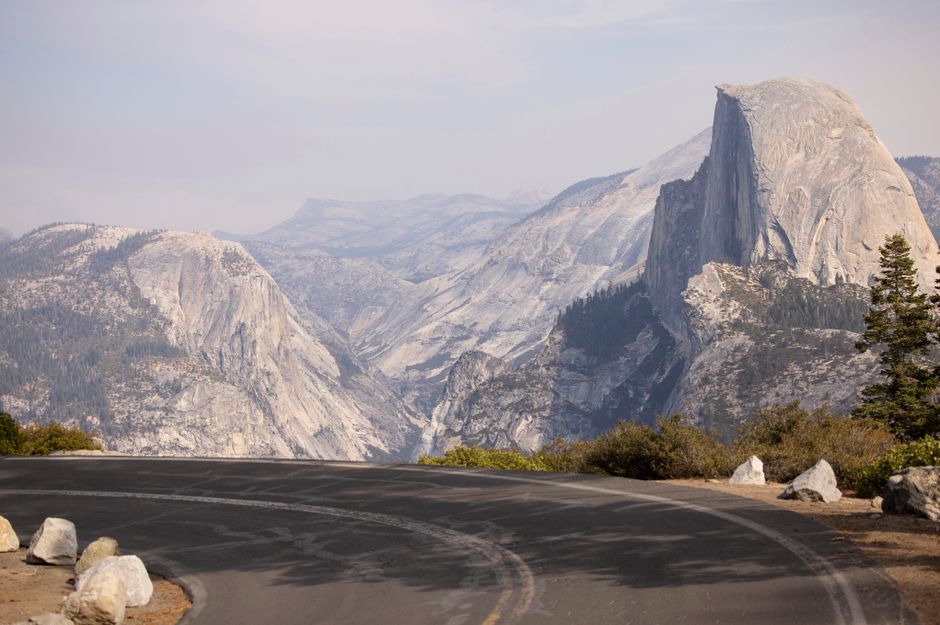
Age two is not too young, but the trip should center on scenery and routine rather than hiking goals. Plan stroller-friendly viewpoints, short boardwalks, playground stops outside the park, and lodging with a kitchen or breakfast. A toddler may sleep through a scenic drive and then spend forty minutes examining one pinecone. That still counts as a successful park day.
Carry a child instead of relying on a stroller for uneven trails. A familiar carrier such as the Osprey Poco can help, but practice with it before vacation. Never treat a carrier as a substitute for water, shade, or a realistic turnaround time.
What changes at ages five to eight?
Children in this range can follow simple trail rules and handle a longer walk, often two to four miles with breaks. Give them a job: wildlife spotter, map holder, junior photographer, or water checker. The job creates interest without turning the vacation into schoolwork.
For this age group, the best trip includes one signature activity per day. A ranger program, cave tour, easy waterfall walk, or junior ranger booklet is enough. More activities usually add waiting rather than value.
How Many National Parks Should a Family Visit?
The one-park rule
One main park is the winning choice for most families with children under eight. It allows you to learn the roads, find a reliable grocery store, recover from travel, and return to a favorite viewpoint. You can still add nearby public lands or a second park if the transfer takes less than two hours.
- Choose a base town. Stay three or four nights in one location instead of changing hotels every evening.
- Set a daily driving ceiling. Two hours is comfortable; three hours is manageable; four hours should be an occasional transfer, not a daily pattern.
- Reserve one recovery day. Use it for laundry, swimming, a slow breakfast, or a short local walk.
- Build a bad-weather version. Identify a visitor center, museum, indoor pool, or nearby town before the forecast turns.
- End before everyone is exhausted. A family that leaves a trail wanting more has planned better than one that reaches the car in tears.
When two parks make sense
Two parks work when geography does the planning for you. Zion and Bryce Canyon can fit together with a sensible transfer, as can Grand Teton and Yellowstone from a northern Rockies base. Do not add a distant park just because it appears close on a map. Mountain roads, construction, fuel stops, and entrance queues can turn 90 miles into half a day.
What Does a 2026 National Park Road Trip Cost?
A realistic seven-day planning budget
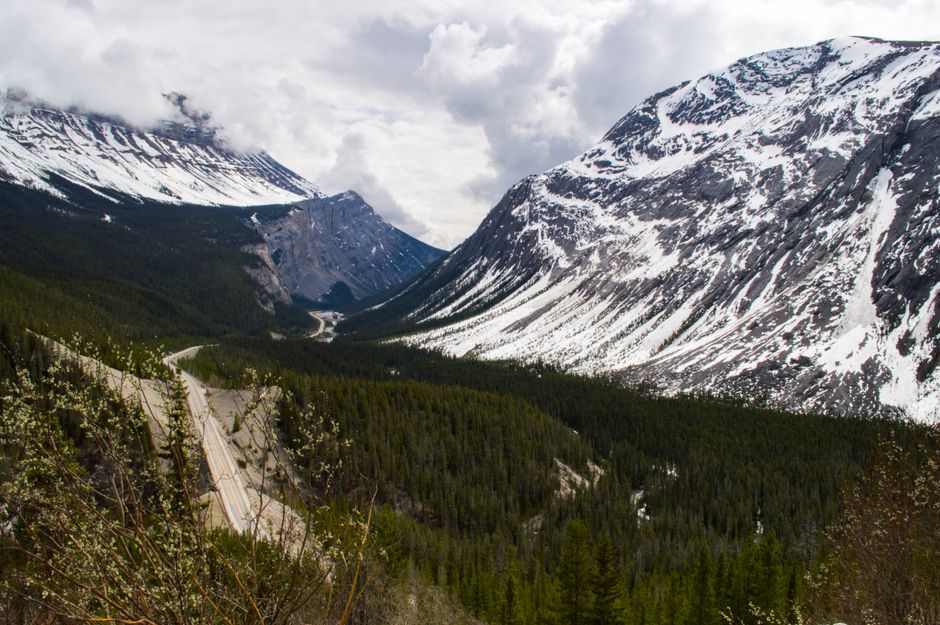
The budget below uses a family of four, six hotel nights, 1,200 driving miles, and a U.S. resident annual pass. It is a planning model, not a guaranteed quote. Lodging and fuel can move sharply by park and season.
| Expense | Planning figure | What changes the total |
|---|---|---|
| Lodging | $840–$1,440 | Six nights at $140–$240 |
| Fuel | About $150 | 1,200 miles, 28 mpg, $3.50 per gallon |
| Groceries and simple meals | $245–$420 | $35–$60 per day |
| Park access | $0–$80 for U.S. residents | Single-park fees or an $80 annual pass |
| Activities | $100–$350 | Boat rides, cave tours, or paid attractions |
| Estimated trip total | $1,335–$2,440 | Excludes airfare and car rental |
Fees families should check before booking
For 2026, the official NPS pass information lists an $80 America the Beautiful annual pass for U.S. citizens and residents and a $250 nonresident annual pass. The pass covers entrance fees at participating federal recreation sites, but it does not automatically cover camping, timed-entry reservations, parking, or tours. Nonresidents also face updated fee rules at some parks.
Bottom Line: A family road trip is financially attractive when you use one base, cook some meals, and limit paid add-ons. It becomes expensive when you combine peak-season hotels, a rental SUV, daily restaurant meals, and several reservation fees.
This is not financial advice. Treat the figures as a cash-flow checklist, keep an emergency buffer, and do not put a vacation on high-interest credit-card debt.
Which National Parks Are Easiest with Young Children?
Best choices for short walks and simple logistics
Great Smoky Mountains National Park is a strong first choice because families can combine scenic drives, picnic areas, streams, and short walks without paying an entrance fee. Traffic around Cades Cove can be heavy, so start early and treat the loop as the day’s main activity.
Acadia National Park works well for families who want ocean views, compact distances, and a nearby town. The Ocean Path offers a flexible out-and-back walk, while carriage roads provide gentler options away from busy roads. Summer crowds and limited parking require an early start.
Zion National Park is memorable, but it demands more planning. The paved Pa’rus Trail offers an accessible family route, while the park shuttle controls access to major trailheads during busy periods. Stay outside the canyon if park lodging is unavailable, but calculate the transfer time before committing.
Parks that require more caution
Yellowstone rewards patient families but contains long drives, sudden weather changes, and wildlife hazards. Keep children within arm’s reach near thermal areas and never approach animals. Grand Canyon viewpoints are spectacular, yet steep edges and heat make supervision non-negotiable. Joshua Tree can be excellent in cooler months and punishing in summer.
My pick for a first trip is Great Smoky Mountains for easy variety, Acadia for a coastal route, and Zion only after checking shuttle rules and lodging distances.
How Should Parents Plan Each Driving Day?
Use a two-hour rhythm
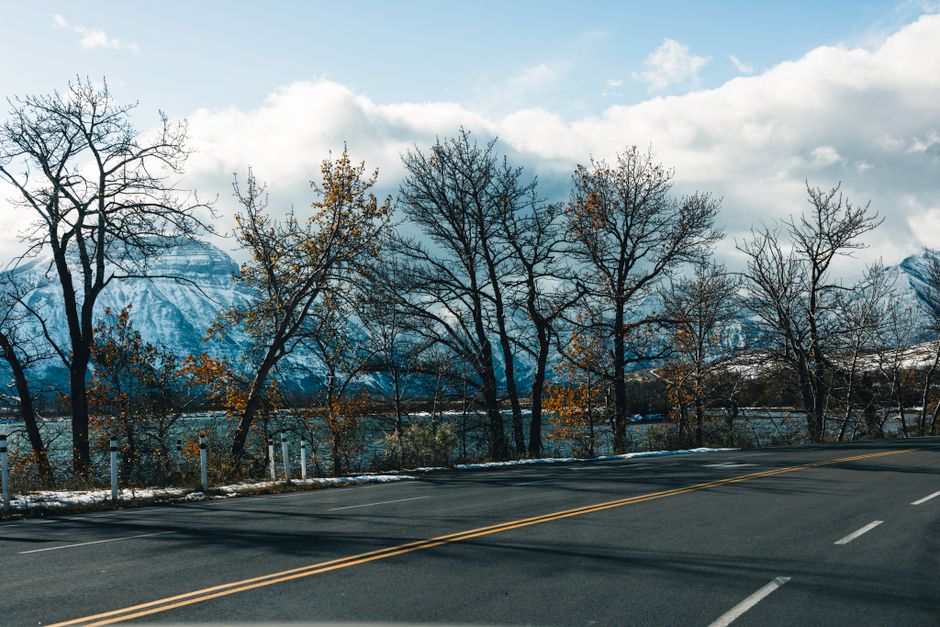
Plan each travel day around a repeating cycle: drive for 90 to 120 minutes, stop for 20 to 30 minutes, then reassess. The stop should include movement, a toilet break, water, and food. A gas station is not always enough. Look for a rest area, small park, library, or town green where children can run safely.
Leave after breakfast rather than promising an early departure that depends on tired adults packing in silence. Keep one small bag inside the cabin with wipes, spare clothes, snacks, medication, chargers, and a rubbish bag. The main luggage should stay closed. Searching through suitcases beside a highway is an avoidable failure.
Make the car safe and boring
Install the child seat before the trip and check the fit at home. The Graco 4Ever DLX and Britax One4Life are examples of widely used all-in-one seats, but the correct choice is the model that fits your child, vehicle, and installation method. Follow the seat manual and local safety rules.
Do not rely on screens for the entire drive. Download a few shows, then mix in audiobooks, music, scavenger hunts, and quiet time. A simple list of targets such as red truck, deer sign, bridge, and waterfall gives children something to watch for without requiring constant entertainment.
Plan for heat, altitude, and weak signal
Carry more water than the family expects to drink. In desert parks, begin walks before late morning and keep a turnaround rule based on heat rather than distance. In mountain parks, children may tire faster at altitude even when the trail looks easy. Adults should watch for headache, unusual sleepiness, nausea, or poor balance.
Download maps before entering the park. A Garmin inReach Mini 2 can add an emergency communication option in remote areas, but it does not replace a route plan, first-aid kit, or basic judgment. Check the NPS trip-planning guidance and each park’s alerts before leaving your hotel.
When Should You Skip the Road Trip?
The trip is a bad deal under these conditions
Skip the national park road trip when the route asks more from your family than the destination can return. A four-night vacation with three hotel changes, two six-hour drives, and a packed park schedule is not an adventure bargain. It is an expensive stress test.
- Your youngest child becomes miserable after 90 minutes in the car and no adult can share the driving.
- The route falls during extreme heat, wildfire smoke, snow, or major road closures.
- You need every day to go perfectly for meals, naps, and reservations to work.
- The trip budget leaves no room for a tire problem, medical visit, replacement hotel, or missed booking.
- You are choosing a remote park mainly to collect another name rather than enjoy the landscape.
The final verdict
A national park road trip with young kids is worth it in 2026 when you choose one strong destination, keep drives short, and budget for comfort. The best family itinerary may include only two easy trails and one scenic overlook. That is enough if the children have time to explore, the adults are not racing the clock, and everyone returns home with a story they actually want to tell.