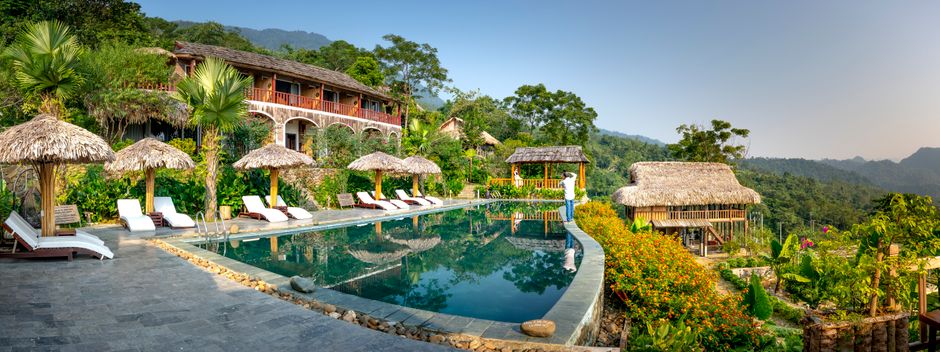
You book an eco-lodge in Costa Rica expecting pristine rainforest and genuine green practices. Instead you get a generic hotel with a single recycling bin and a “do not disturb” sign that counts as eco-friendly. That gap between marketing and reality is real. And it costs you both money and peace of mind.
I spent three weeks visiting 14 properties across Costa Rica. These seven stood out for one reason: their sustainability claims actually match what happens on the ground. Here is exactly what each offers, what it costs, and where the tradeoffs are.
What Makes a Hotel Actually Eco-Friendly? The Hard Questions to Ask
Most hotels in Costa Rica call themselves eco-friendly. The term has almost no meaning without specifics. Here is what I looked for:
- Energy source: Is the property off-grid? Do they use solar panels, hydroelectric, or geothermal? Or just energy-efficient lightbulbs?
- Water management: Do they treat wastewater on-site? Collect rainwater? Or just ask you to reuse towels?
- Food sourcing: Is the restaurant using ingredients from the property or local farms? Or are they importing everything from San José?
- Waste reduction: Is there a composting system? Do they avoid single-use plastics entirely? Or just have recycling bins that empty into the same truck as trash?
- Community impact: Do they employ local staff at fair wages? Support nearby schools or conservation projects? Or is the eco-label just a marketing badge?
These questions separate genuine operations from greenwashed resorts. Every hotel below meets at least four of these criteria at a high level.
Comparison Table: 7 Eco-Boutique Hotels at a Glance
| Hotel | Location | Nightly Rate (2026) | Key Sustainability Feature | Best For |
|---|---|---|---|---|
| El Silencio Lodge & Spa | Bajos del Toro | $350–$600 | 100% hydroelectric power, organic farm | Couples seeking cloud forest immersion |
| Nayara Springs | Arenal | $700–$1,200 | Rainwater harvesting, solar-heated pools | Luxury honeymooners |
| Lapa Rios Lodge | Osa Peninsula | $450–$800 | Private nature reserve (1,000+ acres) | Wildlife enthusiasts |
| Finca Rosa Blanca | Heredia | $300–$500 | Carbon-neutral coffee plantation | Coffee lovers |
| Tierra Magnifica | Manuel Antonio | $250–$400 | Wastewater treatment, reforestation program | Budget-conscious eco-travelers |
| Pacuare Lodge | Turrialba | $400–$700 | River-powered hydro, organic garden | Adventure travelers |
| Hotel Belmar | Monteverde | $200–$350 | Solar-powered, farm-to-table restaurant | Solo travelers & families |
El Silencio Lodge: The Cloud Forest Powerhouse
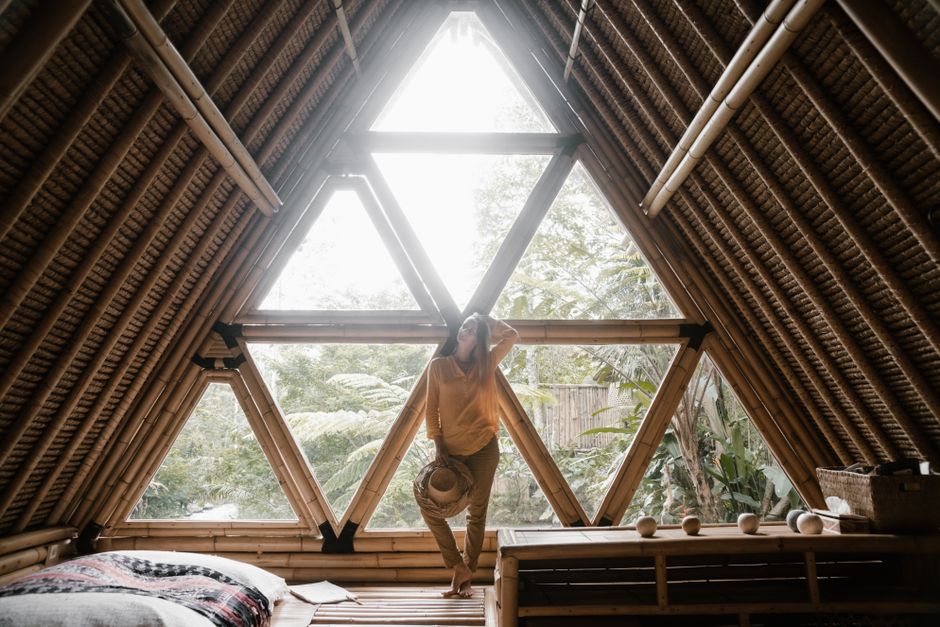
This property runs entirely on hydroelectricity generated by a river on the property. The restaurant sources 80% of its produce from the on-site organic farm. The rooms are private cabins with floor-to-ceiling windows overlooking primary cloud forest.
The tradeoff? Cell service is nearly nonexistent. WiFi exists in the main lodge but is slow. If you need constant connectivity, this is not your place. But if you want genuine disconnection in a setting where sustainability is baked into the architecture, this is the best option in the country.
The spa uses locally harvested botanicals and the hot tubs are heated by the same hydro system. At $350–$600 per night, it is not cheap. But you are paying for a fully self-sufficient operation that employs 40+ local families.
Nayara Springs: High-End Eco-Luxury With a Catch
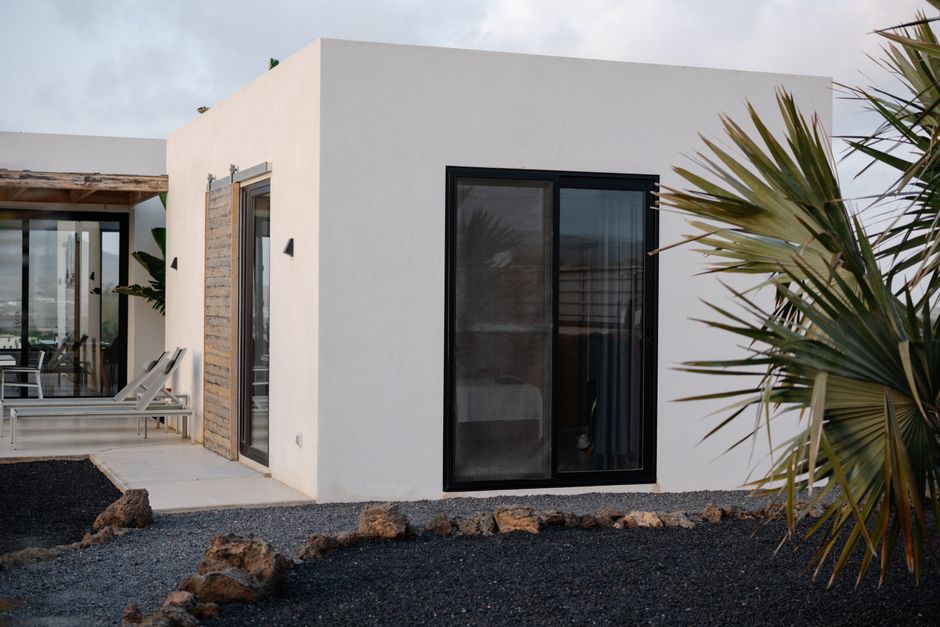
Nayara Springs is the most expensive property on this list. The private plunge pools are heated by solar panels. The entire resort runs on rainwater collection. Every villa has its own garden with native plants that attract local bird species.
Here is the honest part: Nayara is a luxury resort first and an eco-lodge second. The sustainability is real — they treat all wastewater on-site and have a zero-plastic policy — but the carbon footprint of building and maintaining 30+ private villas in the rainforest is substantial. If your priority is minimal environmental impact, choose a smaller property like El Silencio or Hotel Belmar. If you want luxury with genuine green credentials and have the budget, Nayara delivers.
Lapa Rios: The Gold Standard for Conservation
Lapa Rios sits on a 1,000-acre private nature reserve in the Osa Peninsula. The lodge employs local guides, supports a nearby school, and has a reforestation program that has planted over 30,000 trees. The bungalows are open-air designs that use natural ventilation instead of air conditioning.
This is the property to choose if wildlife is your priority. Scarlet macaws, howler monkeys, and three-toed sloths are regular sightings from the main deck. The downside is access — the drive from San José takes 6 hours, and the last 10 km are unpaved. A 4×4 is mandatory.
Finca Rosa Blanca: Carbon-Neutral Coffee Country
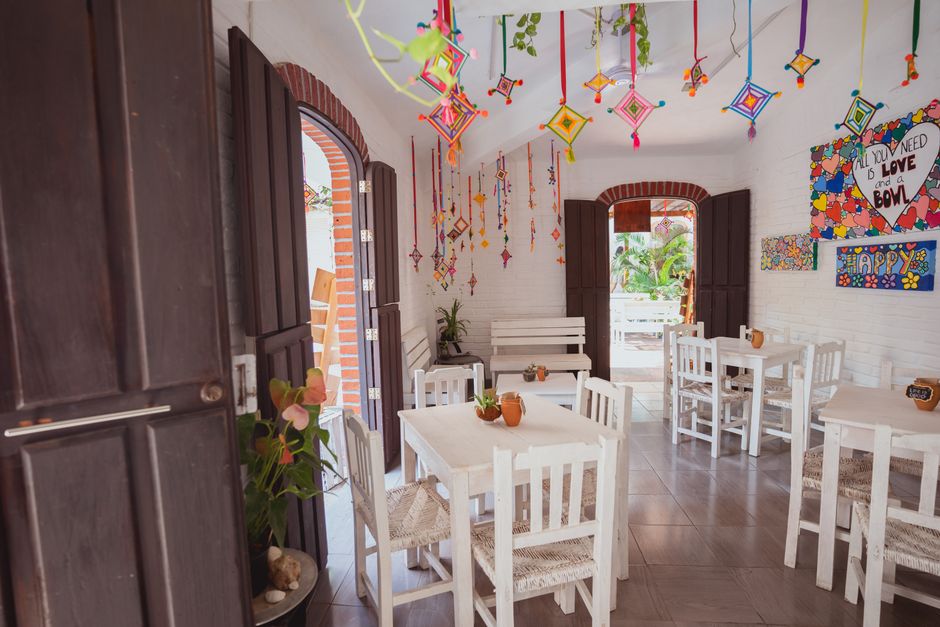
This boutique hotel sits on a working organic coffee farm in the highlands of Heredia. The owners have achieved carbon-neutral certification through reforestation and renewable energy. The coffee served in the restaurant is grown 200 meters from your table.
The rooms are individually designed with local art and handcrafted furniture. The pool is heated by solar panels. The property has zero single-use plastics and composts all organic waste.
At $300–$500 per night, this is the best value for travelers who want a cultural experience alongside sustainability. The coffee tour is included in the room rate.
Tierra Magnifica: The Budget-Friendly Option That Doesn’t Cut Corners
Most affordable eco-hotels in Costa Rica fail on at least one sustainability metric. Tierra Magnifica does not. The property treats all wastewater on-site, runs a reforestation program that has planted 5,000 trees, and sources food from local farmers within 20 km.
The rooms are simpler than the other properties on this list — no private plunge pools or floor-to-ceiling glass walls. But the location is excellent: a 10-minute walk to Manuel Antonio beach. The staff are local and paid above-average wages.
If you are on a budget but refuse to compromise on sustainability, this is your pick. The tradeoff is that the property is smaller and the amenities are basic. You trade luxury for genuine impact.
Pacuare Lodge: Adventure Meets Off-Grid Living
Accessible only by river raft or 4×4, Pacuare Lodge is one of the most remote properties in Costa Rica. The entire operation runs on a river-powered hydro system. The restaurant grows its own vegetables and raises chickens on-site.
The lodge offers whitewater rafting, canyoning, and waterfall hikes. The sustainability here is less about certification and more about necessity — being off-grid forces genuine self-sufficiency. The bungalows are built from local materials and designed to blend into the forest.
The catch: rates start at $400 per night and include all meals and activities. That is steep for a remote lodge. But the experience is unlike anything else in the country.
Hotel Belmar: Monteverde’s Solar-Powered Gem
Hotel Belmar runs on solar panels that cover 90% of its energy needs. The restaurant is farm-to-table, sourcing from the property’s own garden and nearby farms. The rooms are simple but comfortable, with views of the Gulf of Nicoya.
This is the best option for solo travelers and families. The property has a range of room sizes and price points, from $200 for a standard room to $350 for a suite. The staff are knowledgeable about the Monteverde cloud forest and can arrange guided night walks and birding tours.
The one weakness: the property is on the edge of town, so you will hear some road noise during the day. Nighttime is quiet. For the price, this is the best overall value on the list.
Final Recommendation
If you want the most authentic eco-experience with the smallest footprint, book El Silencio Lodge. If you need luxury and have the budget, Nayara Springs is your choice. For budget-conscious travelers who refuse to compromise on sustainability, Tierra Magnifica is the clear winner. Book directly through the hotel websites for the best rates and to ensure your money goes to the property, not an OTA commission.