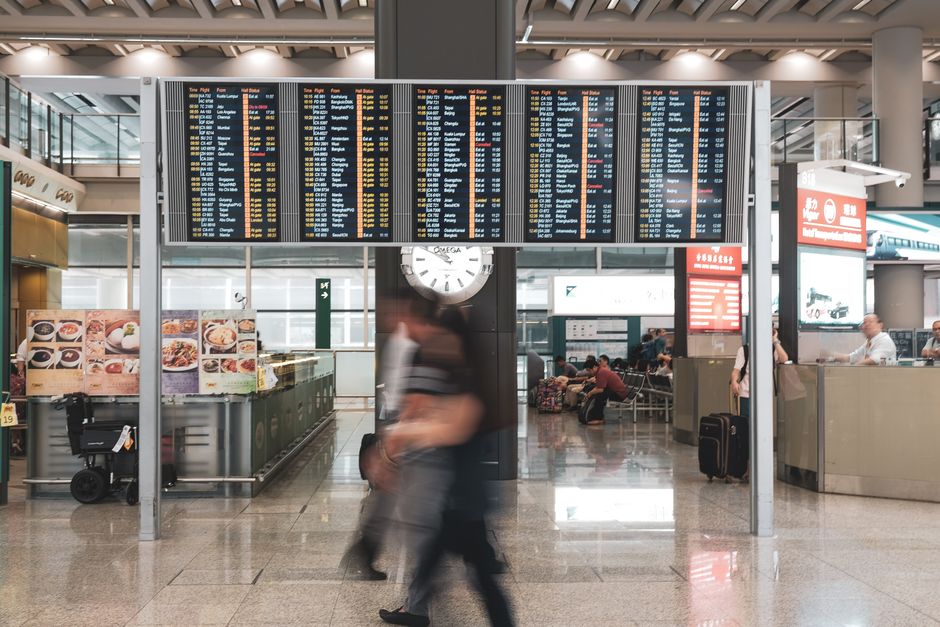
You triple-checked your passport. Your boarding pass is saved on your phone. Your suitcase weighs exactly 49.5 pounds. Then the TSA agent asks for your Global Entry card, and your stomach drops. You left it in the junk drawer at home.
This isn’t a rare mistake. Airport security stops travelers every day for documents they didn’t know they needed or assumed were digital. In 2026, with biometric gates and digital visa systems expanding, the rules have shifted. Some documents you used to carry physically are now optional. Others — that you never carried before — are now mandatory.
Here are the six travel documents travelers forget most often, why they matter, and what happens when you don’t have them.
1. The Second ID You Didn’t Know You Needed
Most travelers know they need a passport for international flights. What surprises them is that many countries and airlines require a second form of identification — not a backup, but a completely different document.
India, for example, requires foreign nationals to carry a valid visa AND a photocopy of their passport data page at all times. Japan requires gaijin card holders to carry their residence card. Even domestic flights in the United States under REAL ID enforcement (May 2026) require a state-issued REAL ID-compliant driver’s license or a passport — a standard driver’s license alone won’t cut it.
What travelers actually forget
The physical copy of their visa approval letter. Many countries issue e-visas now, but airport check-in counters still ask for a printed confirmation. Travelers assume the digital copy on their phone is enough. It often isn’t. The airline agent needs to scan a barcode, and phone screens reflect light poorly. You’ll be sent to a printer kiosk at the airport — which charges $15-25 per page.
How to fix it before you leave
Print every visa approval letter, even if the embassy says it’s digital. Put one copy in your carry-on, one in your checked bag, and email yourself a PDF. The email backup saved me in Singapore when my bag was delayed.
2. Global Entry / TSA PreCheck Card — The One in Your Wallet

You paid for Global Entry. You went through the interview. You have the Known Traveler Number memorized. But the physical card? That’s sitting on your nightstand.
Here’s the catch: the TSA PreCheck benefit is tied to your boarding pass. If you enter your Known Traveler Number when booking, it shows up automatically. You don’t need the card for PreCheck.
But Global Entry at the customs kiosk? You need the card. The machine reads the RFID chip. Without it, you wait in the standard line — which can be 45-90 minutes at JFK or LAX.
What happens when you forget it
You can still use Global Entry if you have your passport. The kiosk will accept the passport scan. But some newer kiosks (installed in 2026-2026) require the card for first-time users or if your passport has a damaged chip. Customs officers have discretion. I’ve seen them wave people through. I’ve also seen them send people to the back of the line.
The fix
Keep the Global Entry card in your passport wallet at all times. Not in your regular wallet. Not in your suitcase. In the same sleeve as your passport. This takes 10 seconds to set up and saves you an hour at customs.
3. Travel Insurance Policy Documents
You bought travel insurance. Good. But when your flight is canceled and you’re standing at the customer service desk, can you pull up your policy number and coverage details in under 30 seconds?
Most travelers can’t. They have the confirmation email buried in their inbox. They know they have coverage but don’t know what it covers. This is where insurance becomes useless — not because the policy is bad, but because you can’t access it when you need it.
| Document | Where travelers keep it | Where it should be |
|---|---|---|
| Policy number | Email inbox | Phone notes app + printed card in carry-on |
| Emergency contact number | Not saved at all | Speed dial + written on paper |
| Coverage summary | PDF on laptop (in suitcase) | Screenshot on phone + printed copy |
| Claim forms | Not downloaded | Offline PDF on phone + email to self |
A real example
A friend’s flight from London to New York was canceled due to a mechanical issue. The airline offered a hotel voucher. My friend had trip delay coverage through his credit card — but he couldn’t prove it at the counter. He spent 90 minutes on hold with the insurance company while the hotel rooms filled up. He ended up paying $280 out of pocket for a room the insurance would have covered.
The one-page solution
Create a single document with: your policy number, 24-hour emergency number, and a one-paragraph summary of what’s covered (trip delay, medical evacuation, lost baggage). Print it. Put it in your passport wallet. Screenshot it on your phone. That’s it. No binder, no 30-page PDF.
4. The ESTA / Visa Waiver Printout
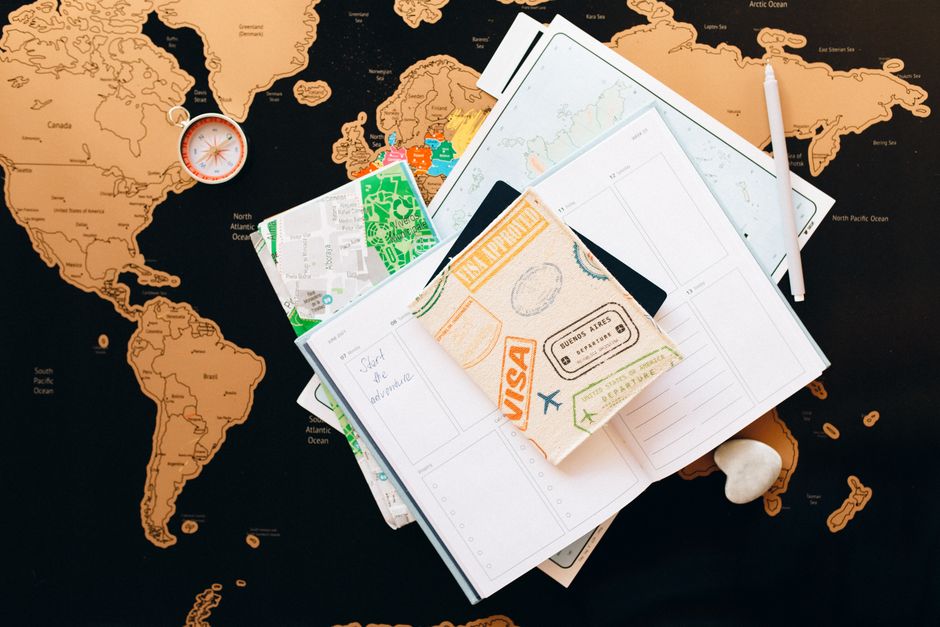
Citizens of 40 countries can travel to the United States under the Visa Waiver Program. They need an approved ESTA (Electronic System for Travel Authorization). It’s tied to your passport number electronically. You don’t need to print it.
Except when you do.
Some airlines — particularly budget carriers and airlines in Asia — require a printed ESTA approval at check-in. Their system doesn’t always pull up the electronic record. Without the printout, they can refuse boarding. This happened to a traveler at Bangkok’s Suvarnabhumi Airport in 2026. She had a valid ESTA. The check-in agent couldn’t verify it. She missed her flight.
Who this affects most
Travelers flying on airlines that don’t have direct data-sharing agreements with U.S. Customs and Border Protection. This includes many Asian and Middle Eastern carriers. If you’re flying Japan Airlines, Singapore Airlines, or Emirates, print your ESTA. The 10 seconds it takes could save you $500 in rebooking fees.
The rule of thumb
If you have an electronic travel authorization (ESTA, eTA, e-Visa), print it. Always. The digital version is convenient until it isn’t.
5. The Yellow Fever Vaccination Card
This is the document travelers forget most often — and the one that causes the most problems at immigration. The International Certificate of Vaccination or Prophylaxis (ICVP), commonly called the Yellow Card, is required for entry to certain countries if you’re arriving from a country with yellow fever.
Brazil, Kenya, Tanzania, and many West African countries enforce this strictly. No card? You can be denied entry, quarantined, or given an on-the-spot vaccination.
What travelers get wrong
They assume the vaccine is recorded in their medical records. It is. But border officials don’t call your doctor. They need the physical WHO-approved card. A photo on your phone is not accepted in most cases.
Also: the card never expires. The vaccine is valid for life (as of 2016 WHO guidelines), but the card itself is the proof. Lose it, and you need to get a replacement from your health department — which can take weeks.
Where to keep it
Same place as your passport. Not in your checked bag — border officials ask for it before baggage claim. A passport wallet with a clear plastic sleeve for the yellow card costs $12 and eliminates this risk entirely.
6. The Driver’s License You Don’t Think You Need
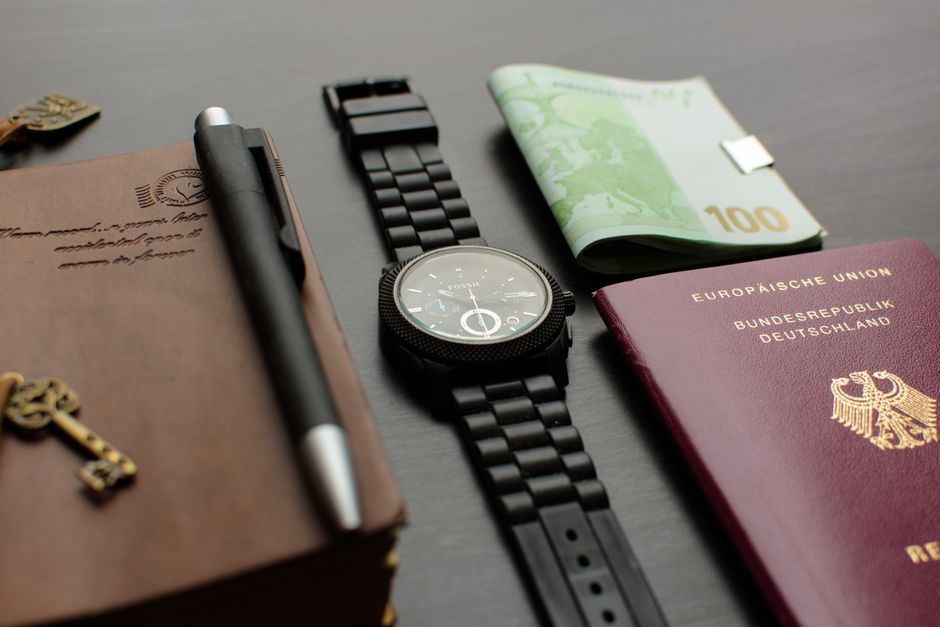
International travelers often leave their driver’s license at home because they don’t plan to drive. But a driver’s license serves as a second form of ID in many situations: renting a car (obviously), checking into hotels in some countries, verifying your identity at foreign banks, and even picking up packages at post offices.
More importantly: if your passport is stolen, a driver’s license is the primary document you need to get an emergency passport from your embassy. Without it, the process takes longer and requires additional verification.
The International Driving Permit trap
If you do plan to drive, you need an International Driving Permit (IDP) — not just your domestic license. Rental car agencies in Japan, Italy, and Australia require the IDP by law. Travelers show up with their California driver’s license and get turned away. The IDP costs about $25 from AAA and takes 15 minutes to get. It’s valid for one year.
The verdict
Bring your driver’s license on every international trip, even if you have no intention of driving. It’s a backup ID that fits in your passport wallet. It weighs nothing. It solves problems you didn’t know existed.
Back to that airport security line. The agent asks for your Global Entry card. You don’t have it. But you have your passport, your printed ESTA, your yellow card, your driver’s license, your travel insurance one-pager, and your visa approval letter — all in one organized passport wallet. The agent scans your passport. It works. You’re through in 30 seconds.
The documents you forget aren’t the obvious ones. They’re the ones you assumed were digital, optional, or unnecessary. A $12 passport wallet and five minutes of printing can save you hours of stress and hundreds of dollars in fees. That’s the difference between a smooth trip and a story you tell your friends about how you almost missed your flight.