You’ve seen the photos of Fushimi Inari at sunrise and the bamboo grove packed with selfie sticks. You want something else. Something quieter. Something that feels like you actually discovered Kyoto, not just checked boxes.
I’ve been to Kyoto eight times over the past decade. I’ve walked the same tourist routes, stood in the same lines, and felt the same frustration. This itinerary is what I wish someone had given me on trip number two. It cuts out the filler, skips the overcrowded spots at peak hours, and focuses on the places that made me fall in love with this city.
No bus tours. No rushed temple hopping. Just five days of real Kyoto.
Day 1: The Southern Hills — Temples Without the Crowds
Most people hit Kiyomizu-dera first. I skip it. The crowds are brutal by 9 AM, and the views, while nice, aren’t worth the shuffle.
Instead, I start at Kodaiji Temple. It’s a five-minute walk from Kiyomizu-dera but gets maybe 10% of the visitors. The bamboo grove here is smaller than Arashiyama’s, but you’ll have it almost to yourself. The zen garden is one of the best in the city — raked gravel, moss, and a small pond that reflects the maple trees perfectly.
From there, walk south to Kenninji Temple. This is the oldest Zen temple in Kyoto, founded in 1202. The main hall has a ceiling painting of twin dragons that’s absolutely massive — 11 meters across. Most tourists walk right past it. Don’t.
Lunch: Omen Kodai-ji. A tiny udon shop tucked behind the temple. The cold udon with sesame dipping sauce is the move. Costs about ¥1,200 ($8).
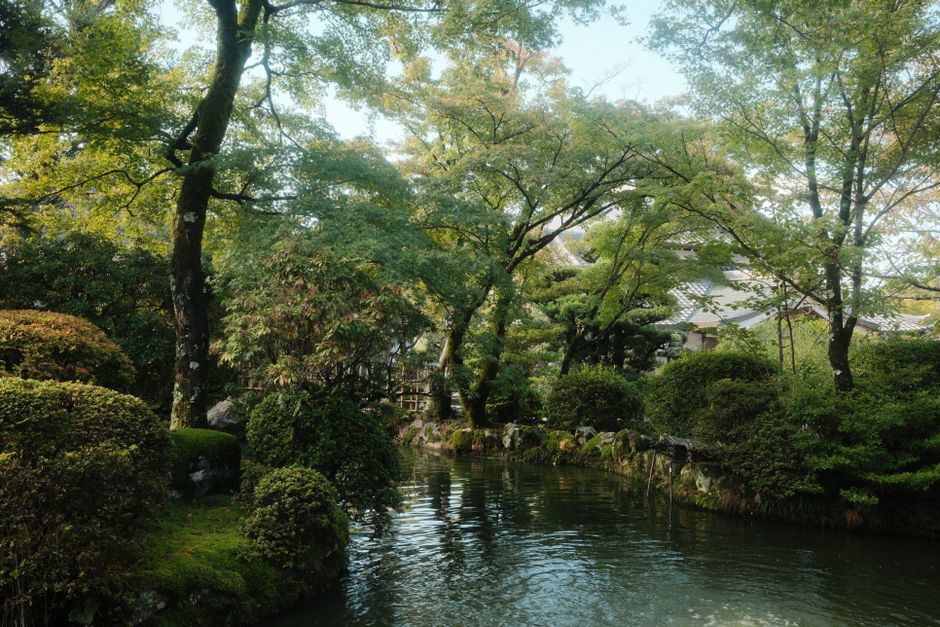
Afternoon: Murin-an. This is my secret weapon. A Meiji-era villa with a garden designed by Ogawa Jihei VII, arguably Japan’s greatest modern garden designer. The garden is built around a stream that runs through the property, and you can sit on the veranda and just listen to the water. Entry is ¥500. Max capacity is maybe 30 people. I’ve been three times and never seen more than 10.
End the day at Yasaka Pagoda at dusk. It’s not hidden — it’s on every Instagram feed — but the lighting at golden hour is worth it. Go at 4:30 PM, not sunset. You’ll beat the crowd.
Day 2: Northern Escape — Kurama to Kibune Hike
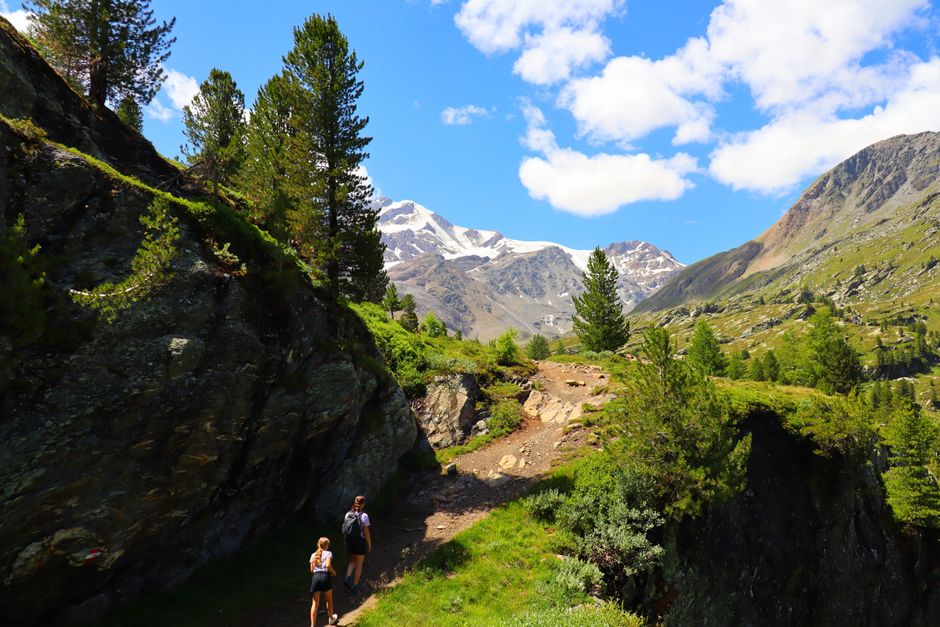
This is the single best day hike in Kyoto, and almost no tourists do it. It’s a 45-minute train ride from Kyoto Station to Kurama Station. From there, you walk up through the Kurama-dera temple complex, then over the mountain to Kibune village.
The hike is about 4.5 kilometers and takes 2-3 hours depending on your pace. The trail passes through cedar forest, past a 900-year-old tree, and ends at Kibune, a village built along a river. In summer, restaurants set up platforms over the water — kawadoko dining. In autumn, the maple leaves are incredible.
Key tip: Start before 8 AM. The train from Kyoto Station departs at 7:30 AM. If you leave later, you’ll hit the midday heat and the small crowds that do know about this hike.
Lunch: Hirobun in Kibune. They serve nagashi somen — thin noodles that flow down a bamboo chute filled with cold water. You catch them with chopsticks as they pass. It’s gimmicky, but it’s also delicious and costs ¥1,500. Book ahead in summer.
Afternoon: Take the Eizan Railway back to Kyoto. Sit on the right side for views of the river gorge. Get off at Demachiyanagi Station and walk through Shimogamo Shrine, a UNESCO site that’s almost empty compared to the big shrines. The forest path here is ancient — it’s been a sacred grove since the 6th century.
Day 3: The Artisan Quarter — Nishiki Market and Pontocho
Nishiki Market gets crowded. I’m not going to pretend it’s a hidden gem. But the side streets around it? That’s where the real food lives.
Start at Nishiki Market itself at 9 AM sharp. Walk the main strip once, then turn left or right into the narrow alleys. Teramachi Street runs parallel and has second-hand kimono shops, old bookstores, and a tiny matcha stand that’s been there since 1950. The owner makes matcha by hand with a bamboo whisk. Costs ¥400.
Lunch: Menbakaichidai. They do a fire ramen — they pour hot oil over the broth and it flames up. It’s theatrical, but the broth is genuinely good. Expect a 20-minute wait. Worth it.
Afternoon: Walk to Pontocho Alley. This narrow street along the Kamo River is famous for its evening atmosphere, but at 2 PM it’s quiet. The real trick is to find Bar K6 — a tiny standing bar on the second floor of a building that looks abandoned. They serve highball cocktails for ¥500 and have a view of the river. The owner doesn’t speak English, but he’ll pour you a whiskey and nod. That’s the experience.
Evening: Gion Corner is a tourist trap. Skip it. Instead, walk through the back streets of Gion — specifically Shinbashi-dori. This street is lined with traditional wooden machiya houses, and if you’re lucky, you’ll see a geiko (Kyoto dialect for geisha) walking to an appointment. No photos. Just watch. It’s a real moment.
Day 4: Arashiyama Without the Bamboo Crowds
The Arashiyama Bamboo Grove is a disaster by 9 AM. I’ve seen people literally pushed through. Here’s how to do it right.
Arrive at 6:30 AM. The bamboo grove is open 24 hours, and at 6:30 AM you’ll share it with maybe 10 other people. The light filters through the bamboo differently in the early morning — softer, greener. Take your photos, then leave before the tour buses arrive at 8 AM.
From the bamboo grove, walk to Okochi Sanso Villa. This was the home of silent film actor Denjiro Okochi. The garden is massive — 20,000 square meters — and includes a tea house where they serve matcha and a sweet for ¥600. The view from the top of the garden overlooks the entire Arashiyama valley. Most tourists walk right past the entrance. Their loss.
Lunch: Yoshimura Soba. A small shop near Togetsukyo Bridge. They make soba noodles fresh daily, and the broth is a family recipe that’s been passed down for four generations. The duck soba is ¥1,800 and is the best bowl I’ve had in Kyoto.
Afternoon: Jojakko-ji Temple. This temple is a 15-minute uphill walk from the main Arashiyama area. The moss garden here is incredible — thick, green, and perfectly maintained. In autumn, the maple leaves turn deep red and orange. In spring, the cherry blossoms are sparse but beautiful. Entry is ¥400.
End the day at Kameyama Park for sunset. It’s a hill behind the bamboo grove with a view of the river and mountains. Most people don’t know it exists. Bring a snack and sit on the bench for 20 minutes. Quiet. Perfect.
Day 5: The Philosopher’s Path — But Smarter
The Philosopher’s Path is a 2-kilometer walk along a canal lined with cherry trees. In spring, it’s packed. In other seasons, it’s manageable but still busy. Here’s how to make it better.
Start at the north end — Ginkaku-ji (Silver Pavilion). Get there at 8 AM. The garden here is a masterpiece of dry landscape design, with a cone of white sand that’s raked every morning. The crowd will arrive by 9:30, so you have 90 minutes of relative peace.
From Ginkaku-ji, walk south along the path. The canal is on your left. The key is to take the side streets that run parallel to the main path. Shirakawa-dori is one street over and has fewer people, better cafes, and a small temple called Honen-in that’s almost always empty. The moss-covered gate here is one of my favorite photo spots in Kyoto.
Lunch: Goma to Shichimi. A tiny sesame-focused restaurant near Nanzen-ji. They make sesame tofu, sesame ramen, and a sesame ice cream that’s unlike anything you’ve had. The set meal is ¥1,500 and includes five small dishes.
Afternoon: Nanzen-ji Temple. This is a massive complex, but most tourists only see the main hall. Walk to the back — past the aqueduct (yes, there’s a Roman-style aqueduct in Kyoto) — and find the Suikinkutsu. It’s a buried pot that creates a bell-like sound when water drips into it. You have to press your ear to the ground to hear it. Weird. Wonderful.
Final stop: Keage Incline. An abandoned railway track that’s been turned into a walking path lined with cherry trees. It’s a 10-minute walk from Nanzen-ji. In spring, it’s a tunnel of pink. In autumn, the leaves turn gold. I’ve sat on the tracks here for an hour just watching the light change. No tourists. No noise. Just Kyoto.
Quick Comparison: My Top 5 Hidden Spots
| Spot | Entry Fee | Best Time | Crowd Level |
|---|---|---|---|
| Murin-an Garden | ¥500 | 2 PM | Almost empty |
| Kurama to Kibune hike | ¥500 (Kurama-dera) | 8 AM start | Light |
| Okochi Sanso Villa | ¥1,000 | 7 AM | Very light |
| Honen-in Temple | Free | 9 AM | Empty |
| Keage Incline | Free | Sunset | Empty except cherry season |
This itinerary works because it respects your time. No rushing. No standing in lines for an hour. Just walking, eating, and sitting in places that feel like they belong to you, even if only for a few minutes.
Kyoto rewards patience. The best moments here aren’t the ones you plan. They’re the ones you stumble into because you took the wrong street or arrived an hour earlier than everyone else. That’s the real hidden gem.