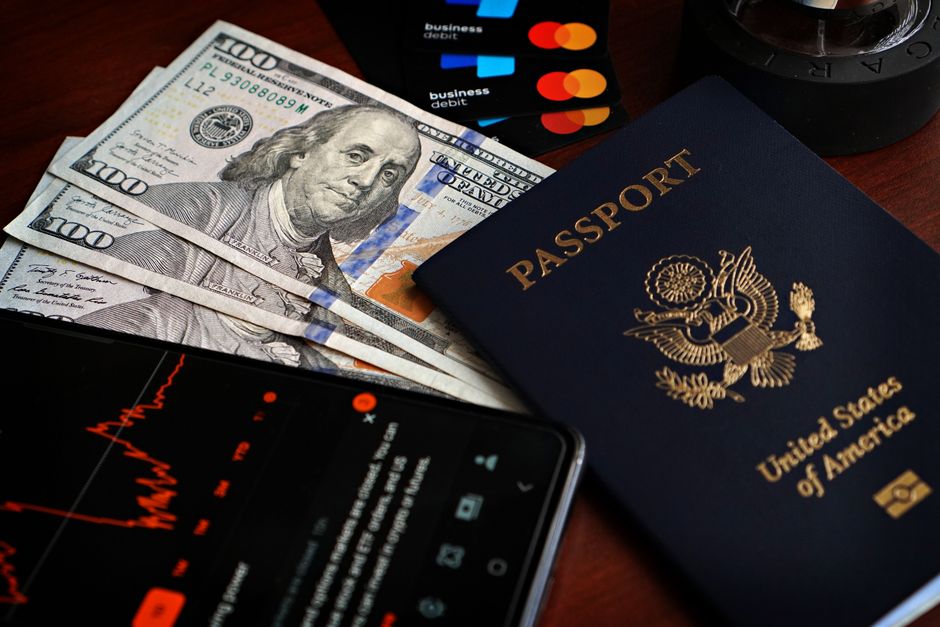
I’ve been traveling internationally for over a decade, and I still remember the gut-punch of being denied boarding in 2019 because my passport had less than six months of validity left. That was a $1,200 mistake. Since then, I’ve built a system. Here’s exactly what you need to sort before your 2026 trip — no fluff, no generic advice.
Your Passport: The Non-Negotiable That Trips People Up
You know you need a passport. What most people don’t know is that many countries require at least six months of validity remaining beyond your departure date. I’ve seen people turned away at the gate because their passport expired four months after their trip. That’s not enough for Thailand, Singapore, or most of Europe.
Validity Rules by Region
Here’s the breakdown based on current 2026 regulations:
- Schengen Area (Europe): Passport must be valid for at least 3 months after your planned departure from the Schengen zone. Some countries like France are stricter — they want 6 months.
- Asia (Thailand, Vietnam, Indonesia): Almost all require 6 months of validity from your arrival date.
- Canada, Mexico, UK: Usually 6 months for US citizens, but check the embassy site.
If you’re renewing, do it now. Routine processing takes 6-8 weeks in 2026, and expedited runs about $190 for the passport book. The US Department of State’s website has a processing time tracker — check it before you pay.
What About Passport Cards?
Don’t bother with the passport card unless you only cross land borders to Canada or Mexico. It’s useless for international flights. Get the full passport book ($165 for adults as of 2026).
My pick: If you’re a frequent traveler, get the larger 52-page passport book. It’s the same price and saves you from having to add pages later — a $82 hassle I’ve dealt with twice.
Visas: The Hidden Trap Most Travelers Miss

Here’s what nobody tells you: visa requirements change constantly. I’ve had two trips derailed because a country changed its visa policy three weeks before I left. In 2026, several countries are rolling out new electronic travel authorizations (ETAs) that you need to apply for before you fly.
Countries That Surprise People
- United Kingdom: Starting in 2026, US citizens need an Electronic Travel Authorization (ETA) — £10, valid for 2 years. This is still in effect in 2026.
- Australia: ETA required for US passport holders. Apply online, AUD $20, usually approved in minutes.
- India: e-Visa is now mandatory for most nationalities. Apply at least 4 days before travel. Cost varies by nationality — about $25 for US citizens.
- Brazil: Visa requirement for US citizens returned in 2026. It’s an e-Visa, $80, valid for 10 years.
Failure mode: Don’t use third-party visa agents unless you’re desperate. They charge 3x the fee and often submit the wrong information. Go to the official government immigration website. Bookmark it.
For frequent flyers, I recommend keeping a digital folder with scans of all your visas. I use Google Drive, but any cloud service works. When I lost my passport in Rome in 2026, those scans saved me three days of embassy visits.
Health Documents and Vaccination Proof
This section is where most travelers get lazy. I used to be one of them. Then I got dengue fever in Bali because I skipped the vaccine conversation. Don’t be me.
What You Actually Need in 2026
Yellow fever vaccine is required for entry to many African and South American countries if you’re arriving from an endemic region. The certificate (called the Yellow Card) is valid for life as of 2016 WHO guidelines. Keep the physical card — digital copies aren’t always accepted.
COVID-19: Most countries have dropped vaccine requirements, but a few still enforce them for unvaccinated travelers. Check the embassy website 72 hours before departure. I carry a printed CDC card anyway — it costs nothing and saves arguments.
Routine vaccines: Make sure your tetanus, MMR, and polio shots are current. This sounds basic, but I know three people who got turned away from rural clinics in Nepal because they couldn’t prove polio vaccination.
Malaria prophylaxis: Not a document, but carry your prescription slip. Customs officers in some African countries have asked me for proof that I’m carrying antimalarials legally.
My recommendation: Visit a travel clinic 6-8 weeks before departure. The CDC’s Travel Health Notice page is free. I use Passport Health ($50-100 for a consultation) because they give you a printed itinerary-specific checklist.
| Vaccine | Where Required | Validity | Cost (approx) |
|---|---|---|---|
| Yellow Fever | Brazil, Kenya, Ghana, many African nations | Lifetime | $150-250 |
| Typhoid | India, Nepal, Pakistan | 2-5 years | $90-120 |
| Hepatitis A | Most developing countries | Lifetime (2 doses) | $100-150 |
| Rabies (pre-exposure) | Southeast Asia, remote areas | 10 years | $400-600 |
Travel Insurance: The Document You Hope You Never Use
I used to skip travel insurance. Then I spent $8,000 on a medical evacuation from a cruise ship in the Caribbean. That was 2017. I’ve never traveled without it since.
Here’s the truth: Your regular health insurance almost never covers you abroad. Medicare doesn’t. Most employer plans have zero international coverage. Travel insurance is a document — a policy number and a 24/7 assistance hotline — that can save your life.
What to Look For in a Policy
- Medical evacuation coverage: Minimum $100,000. A medevac from Asia to the US can cost $50,000-200,000.
- Cancellation coverage: Look for “cancel for any reason” (CFAR) if you’re spending over $2,000 on a trip. It adds about 40% to the premium but covers non-refundable costs.
- Baggage delay: $500 minimum per person. This covers essentials if your luggage is lost for 12+ hours.
Failure mode: Don’t buy insurance from the airline or cruise line at checkout. Those policies are overpriced and under-covered. I use World Nomads for short trips ($100-200 for two weeks) and Allianz Travel for longer ones. Compare on Squaremouth — it’s a legit aggregator that shows actual policy documents.
Print your insurance card and keep it in your carry-on. I also save the PDF on my phone’s home screen. When I needed an emergency dental extraction in Mexico City, having that number ready saved me two hours on the phone.
Digital Documents and Backup Systems
I carry a paper folder and a digital backup. Here’s my exact system for 2026:
The Physical Folder
In a zippered pouch (I use the Bellroy Travel Wallet, $89), I keep:
- Passport (in a RFID-blocking sleeve)
- Printed visa approvals
- Printed flight itinerary
- Hotel confirmations for the first 3 nights
- Insurance card
- Two passport photos (for emergency replacements)
The Digital Backup
I use a password manager (1Password, $36/year) to store scanned copies of every document. I also email them to myself as encrypted PDFs. Here’s why: if your phone is stolen, you still have access via any computer.
What to scan:
- Passport data page and signature page
- All visas
- Driver’s license (for car rentals)
- Credit cards (front and back, but block the CVV)
- Travel insurance policy
My recommendation: Get a Google Fi or Airalo eSIM before you leave. Having data on arrival means you can access your digital documents immediately. I’ve used Airalo in 40+ countries — $4.50 for 1GB in most of Asia, $10 for 3GB in Europe. Cheaper than airport SIM kiosks.
Miscellaneous Documents That Save You Money and Headaches
These aren’t mandatory, but I’ve learned they’re worth their weight in gold:
International Driving Permit (IDP)
If you plan to drive in Japan, most of Europe, or Australia, you need an IDP. It’s not a license — it’s a translation of your existing one. In the US, AAA issues them for $20 plus two passport photos. You cannot get one after you leave the country. I’ve had rental car desks in Italy refuse me without it.
Global Entry / TSA PreCheck
Global Entry ($100 for 5 years) includes TSA PreCheck and expedited customs when returning to the US. The interview takes 10 minutes at most major airports. I’ve saved hours at JFK, LAX, and Miami. Apply now — the approval process takes 4-6 months in 2026.
When NOT to get it: If you travel internationally less than once every two years, just get TSA PreCheck ($78 for 5 years). It’s cheaper and faster to approve.
Proof of Accommodation and Onward Travel
Many countries (Indonesia, Thailand, Philippines) require proof of a hotel booking and an onward flight before they let you board. I book a refundable hotel on Booking.com and cancel it after arrival. For onward travel, I use a dummy flight booking service like OnwardFly ($9) — it generates a real PNR that passes airline checks.
Failure mode: Don’t lie to immigration officers. If they ask where you’re staying, have a real answer. I once saw a guy detained in Bali for 6 hours because he said “I’ll figure it out” and couldn’t produce a hotel name.
For the frequent traveler, I recommend the Bellroy Travel Wallet ($89, holds 8+ cards and a passport) and a Tile Pro ($35) in your luggage. I’ve tracked my bag through three lost-luggage incidents. Worth every penny.