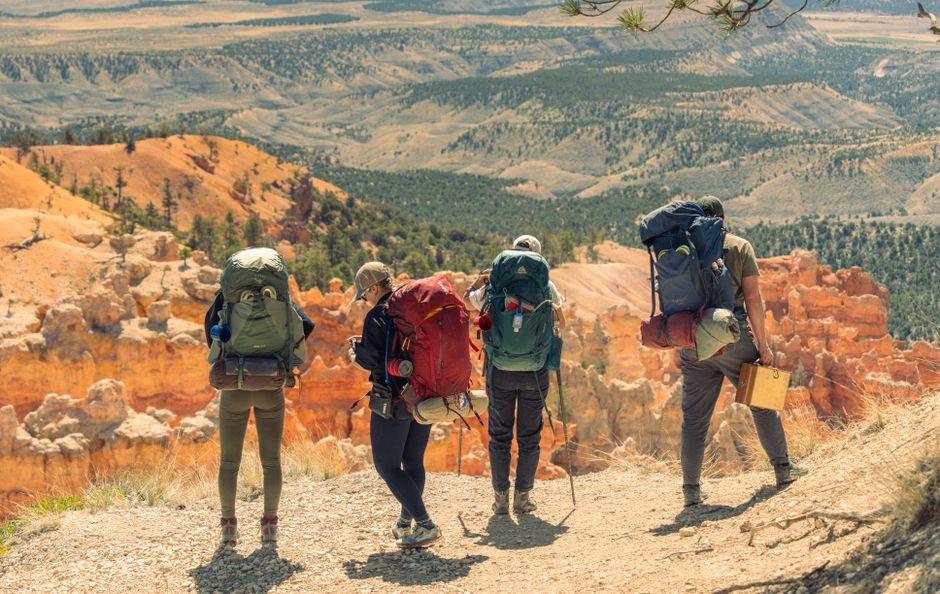
You open your closet. You grab a backpack. You throw in a water bottle, some trail mix, and hope for the best. That works until it doesn’t.
A bad hike isn’t about the scenery. It’s about blisters you didn’t prevent, a phone that dies at sunset, or a sudden storm you didn’t pack for. The difference between a great day on the trail and a miserable one is often just three or four items you forgot.
This guide is for day hikers and weekend backpackers. I’ll cover the ten essentials, the gear that actually matters, and the stuff you should absolutely leave at home. No fluff. No “bring a compass if you’re lost” advice you already know.
The 10 Essentials System (Updated for 2026)
The original Mountaineers list from the 1930s was designed for alpine expeditions. The modern version is simpler and more practical for a Saturday hike. Here’s what it looks like today, with specific products that work.
Navigation (Don’t Rely on Your Phone Alone)
Your phone has GPS. Your phone also has a battery that drains at 20% per hour in cold weather. Bring a backup.
- Primary map: Download offline maps on Gaia GPS or AllTrails Pro before you leave. The free version of AllTrails works, but the Pro version ($35/year) lets you download topo maps and see real-time trail conditions.
- Physical map: A paper map from the ranger station costs $0. It doesn’t need a signal. Fold it into your pack’s top pocket.
- Compass: A baseplate compass from Suunto or Silva ($15–$25) is enough. You don’t need a $200 GPS watch for a day hike.
Sun Protection (Even on Cloudy Days)
UV rays bounce off snow, water, and granite. You burn faster at altitude. A hat and sunscreen aren’t optional.
Supergoop! Unseen Sunscreen SPF 40 ($22 for 1.7 oz) is weightless and works under any face. For lips, use Aquaphor Lip Repair SPF 30 ($4).
Bring a sun hat with a brim that covers your ears and neck. The Sunday Afternoon Ultra Adventure Hat ($45) has a UPF 50+ rating and a chin strap for windy ridges.
Insulation (The Layer You’ll Actually Wear)
You start hiking warm. You stop for lunch. Suddenly you’re shivering. That’s the moment you need a mid-layer.
A Patagonia R1 Air Full-Zip Hoody ($139) weighs 10.5 ounces and packs to the size of a grapefruit. It breathes when you’re moving and traps heat when you stop. For colder days, add a down puffy jacket from REI Co-op ($99, 650-fill power) that compresses to nothing.
Do not bring a cotton hoodie. Cotton absorbs sweat, stays wet, and steals body heat. That’s how hypothermia starts on a 60°F day.
Hydration (More Than You Think)
The old rule was “1 liter per 2 hours.” That’s too vague. For a moderate summer hike at 8,000 feet, you need about 0.5 liters per hour. For a hot desert trail, double that.
A Platypus Big Zip LP 3L ($35) fits inside most daypacks and lets you sip without stopping. Pair it with a Katadyn BeFree 1L ($45) for streams — it filters 1 liter per minute and weighs 2.3 ounces. No pumping. No chemicals.
Nutrition (Don’t Bring a Snickers Bar)
You need calories that digest fast and don’t melt. A Snickers bar is fine for energy, but it’s not enough for a full day.
Pack Clif Builders Bars ($1.50 each, 20g protein) for sustained energy. Add Nuun Sport Tablets ($8 for 10-pack) to your water for electrolytes. Skip the trail mix with M&Ms — the chocolate melts, the peanuts are messy, and you’ll eat the candy first anyway.
| Item | Weight | Cost | Why It Works |
|---|---|---|---|
| Platypus Big Zip LP 3L | 5.5 oz | $35 | No sloshing, easy to refill |
| Katadyn BeFree 1L | 2.3 oz | $45 | Filters 1L/min, no waiting |
| Clif Builders Bar (x2) | 5.2 oz total | $3 | 20g protein, no melt |
| Nuun Sport (2 tablets) | 0.3 oz | $1.60 | Electrolytes without sugar crash |
Footwear: The Most Common Mistake Hikers Make
I see it every weekend. Someone shows up in trail runners that are three years old with worn tread. Or they buy boots that are too stiff for a 5-mile loop. The wrong shoes ruin your hike before you reach the summit.
Here’s the rule: match your footwear to the terrain, not the weather.
When to Choose Trail Runners Over Boots
For dry, well-maintained trails under 10 miles, trail runners are lighter and more comfortable. The Merrell Moab Speed 2 ($130) weighs 13.5 ounces per shoe and has a Vibram outsole that grips loose gravel. They dry fast if you hit a puddle.
For rocky, off-trail, or wet terrain, you want ankle support and a stiffer sole. The Salomon X Ultra 4 Mid GTX ($165) has Gore-Tex and a reinforced heel cup. It’s not waterproof forever, but it keeps your feet dry through morning dew and shallow creeks.
The Blister Prevention Strategy
Blisters happen when friction meets moisture. The fix is simple:
- Wear wool socks. Smartwool Hike Classic Edition Crew ($22) wicks moisture and doesn’t stink after three days. Cotton socks = blisters.
- Use leukotape on hot spots before they form. A roll costs $12 and lasts years. Cut a small strip and apply it directly to the skin where you feel rubbing.
- Lace your boots correctly. Most people lace too tight at the top. The lower laces should be snug, the upper laces loose enough to wiggle your toes.
If you feel a hot spot forming, stop immediately. Remove your shoe. Apply a Compeed Blister Patch ($8 for 6 patches) directly over the area. Do not pop the blister. Do not keep walking. That 5-minute stop saves you two hours of limping.
Gear That Saves Your Day (Not Just Your Life)
Most packing lists focus on survival gear: fire starter, emergency blanket, whistle. Those matter. But for a day hike, you’re more likely to need gear that solves smaller, more common problems.
Here are three items that make the difference between a good hike and a great one.
Trekking Poles (Not Just for Old People)
I resisted poles for years. Then I tried a pair on a 12-mile descent with 3,000 feet of elevation loss. My knees didn’t hurt the next day. Not even a little.
The Black Diamond Trail Back ($100) folds down to 14 inches and weighs 17 ounces per pair. They have cork grips that don’t get slippery when you sweat, and the flick-lock adjustment is faster than twist-locks. Use them on any descent over 1,000 feet. Your knees will thank you.
Headlamp (You Will Stay Out Longer Than Planned)
Every hiker has a story about “just one more mile” turning into a dark descent. A headlamp weighs 2 ounces and costs $20. Bring it even if you plan to be back by noon.
The Black Diamond Spot 400 ($40) puts out 400 lumens on high and runs 6 hours on medium. It’s waterproof to IPX8. The lock mode prevents it from turning on in your pack and draining the battery.
Emergency Shelter (The 3-Ounce Safety Net)
A bivy sack or emergency blanket is not overkill. If you twist an ankle and can’t walk, you’ll be glad you have something to block the wind.
The SOL Escape Bivvy ($30) weighs 5.5 ounces and reflects 80% of your body heat. It’s not a tent — you can’t sit up in it — but it’s enough to survive a cold night. Pair it with a SOL Emergency Blanket ($5) for extra coverage.
Do not buy the cheap mylar blanket from the dollar store. It tears in 10 minutes. Spend the extra $20.
What to Leave at Home (The Overpacking Hall of Shame)
I’ve seen people carry cast iron pans for a one-night backpacking trip. I’ve seen someone bring a full-size pillow. Here’s what you don’t need.
Heavy Cookware and Stoves
For a day hike, you don’t need a stove. You don’t need a pot. You don’t need a spork. You need food that doesn’t require cooking: sandwiches, wraps, nuts, protein bars. If you must have hot food, bring a thermos with soup or coffee.
For overnight trips, a Jetboil Flash ($75) boils water in 2 minutes and weighs 13 ounces. That’s all you need. Leave the frying pan at home.
Too Many Layers
You need exactly three layers: a base layer (merino wool or synthetic), a mid-layer (fleece or puffy), and a shell (windproof/waterproof jacket). Do not bring a second fleece “just in case.” Do not bring a heavy winter coat. If you’re cold in three layers, you’re moving too slowly.
Cotton Anything
Cotton t-shirts. Cotton underwear. Cotton socks. Cotton bandanas. All of it stays home. Cotton absorbs sweat and stays wet. Wet fabric + wind = hypothermia, even in 70°F weather. Synthetic or merino wool only.
Full-Sized Toiletries
You don’t need a 12-ounce bottle of shampoo for a weekend trip. You don’t need deodorant. You don’t need makeup. You’re hiking. Nobody cares. Bring a travel-sized sunscreen, a small tube of toothpaste, and a single-use pack of wipes. That’s it.
The Packing System: How to Fit It All in 25 Liters
Most people buy a backpack that’s too big. A 25-liter pack is enough for a full day hike with all ten essentials. A 35-liter pack is plenty for an overnight trip. Anything bigger encourages you to overpack.
Here’s how to organize your pack so you don’t have to dig for everything.
Bottom: Sleeping Bag and Pillow (If Overnight)
The stuff sack goes at the very bottom. It’s the least accessible part of the pack, which is fine because you won’t need it until camp. Put your sleeping pad on top of the bag, rolled tight.
Middle: Food, Water, and Extra Layers
Your hydration bladder sits against your back, inside the pack. Food goes in the middle, packed in a stuff sack to keep crumbs contained. Extra layers (fleece, rain jacket) go on top of the food, rolled or folded flat.
Top Pocket: Essentials You Need Fast
Headlamp, sunscreen, map, compass, snacks for the first hour, phone, and a small first aid kit. These are the items you grab without taking off your pack.
Outside: Wet or Dirty Gear
Rain jacket or shell goes in an outside mesh pocket if it’s wet. Trekking poles attach to the side loops. A water bottle goes in the side pocket for quick access.
The Osprey Daylite Plus ($75) is the best 20-liter daypack I’ve tested. It has a hydration sleeve, trekking pole loops, and a padded hip belt that transfers weight to your hips. For overnight trips, the REI Co-op Trail 40 ($119) has a removable frame sheet and a sleeping bag compartment. Both packs weigh under 2 pounds.
Pack your bag the night before. Weigh it. If it’s over 15 pounds for a day hike, remove something. Your back will thank you on the descent.
Hiking gear has improved dramatically in the last decade. Fabrics dry faster. Batteries last longer. Packs carry weight better. The best gear you can buy is the gear that fits your specific trail, your specific body, and your specific risk tolerance. Start with the ten essentials. Add the extras only after you’ve used them on a real hike. And for the love of good trails, leave the cotton at home.