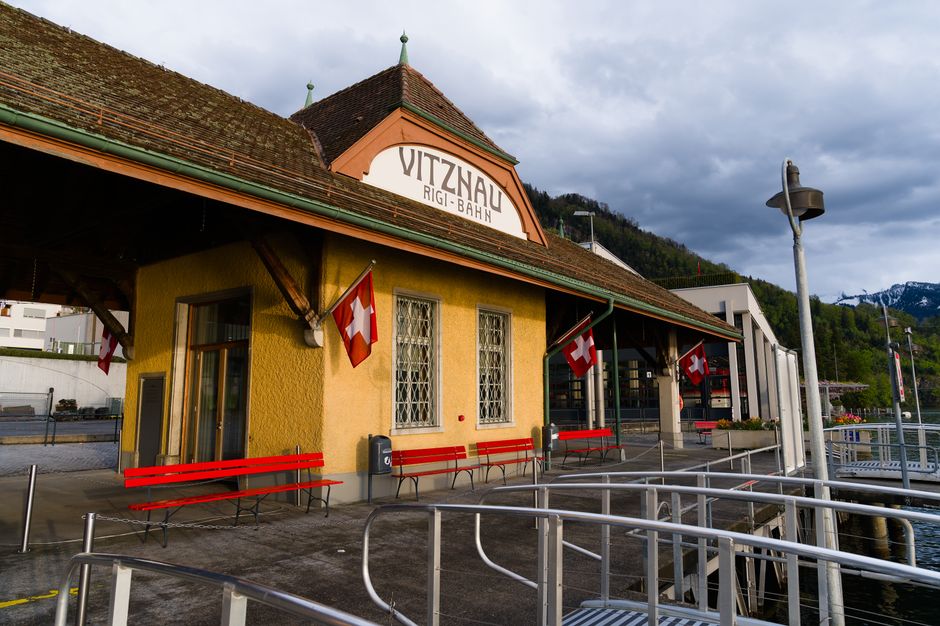
You have seven days in Switzerland, a suitcase, and a list that somehow includes Zurich, Lucerne, Interlaken, Zermatt, the Matterhorn, and a panoramic train. The problem is not finding beautiful places. It is fitting them together without spending half the trip changing hotels or watching mountain views through a train window.
This Switzerland travel itinerary uses three main bases and keeps the long transfers under control. You will see a city, a lake region, the Bernese Oberland, and the Valais Alps without treating the country like a checklist.
What is the best Switzerland itinerary for seven days?
The winning route connects four different landscapes
For a first trip, follow this order: Zurich, Lucerne, Interlaken, and Zermatt. Start in Zurich because international flights and trains connect there easily. Spend one night in the city, then move to Lucerne for its lake, old town, and quick access to Mount Pilatus or Mount Rigi. Use Interlaken for the Bernese Oberland, with day trips to Lauterbrunnen, Mürren, Grindelwald, or Wengen. Finish in Zermatt, where the Matterhorn gives the trip a strong final scene.
The route works because each stop feels different. Zurich supplies museums, restaurants, and urban energy. Lucerne adds water and medieval streets. Interlaken delivers valleys and high mountain walks. Zermatt provides a car-free alpine village and dramatic peaks.
Why not add Geneva, St. Moritz, and the Glacier Express?
Because seven days is not enough for every famous Swiss destination. Geneva pulls you west and adds a long cross-country transfer. St. Moritz is excellent, but it belongs on an eastern Switzerland route. The Glacier Express also needs a full day and works best when the journey itself is the main attraction. For this trip, choose scenery over geographic coverage. A shorter route with time for walks will feel richer than five rushed hotel check-ins.
A 7-day Switzerland itinerary that keeps travel under control
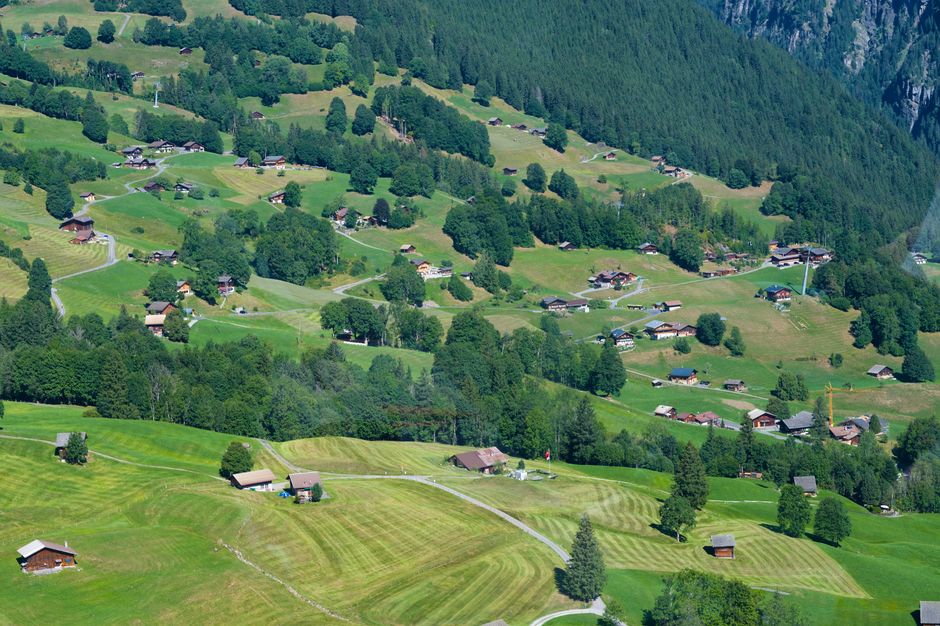
Day-by-day route
| Day | Base | Main plan | Overnight |
|---|---|---|---|
| 1 | Zurich | Old Town, Bahnhofstrasse, Lindenhof | Zurich |
| 2 | Lucerne | Transfer, lakefront, Chapel Bridge | Lucerne |
| 3 | Lucerne | Mount Rigi or Mount Pilatus | Lucerne |
| 4 | Interlaken | Transfer, Harder Kulm, lakeside evening | Interlaken |
| 5 | Interlaken | Lauterbrunnen and Mürren | Interlaken |
| 6 | Zermatt | Transfer, village walk, Matterhorn views | Zermatt |
| 7 | Zermatt | Gornergrat or a short valley walk | Zermatt |
How the pace works
The first day stays deliberately light. Zurich airport to the city center takes roughly 10 to 15 minutes by train, so you can see the old town even after a long flight. The Zurich-to-Lucerne train takes about 45 minutes. Lucerne-to-Interlaken takes around two hours on a scenic route, while Interlaken-to-Zermatt takes close to two and a half hours depending on the connection.
That leaves the best mountain regions with full days instead of awkward half-days. If your flight arrives late, remove Zurich sightseeing and sleep there. Do not try to reach Lucerne, Interlaken, or Zermatt after an overnight flight unless your arrival is early and your luggage is minimal.
How to move around Switzerland and control transport costs
Choose the pass after mapping your route
Switzerland has excellent public transport, but a pass is not automatically the cheapest choice. The Swiss Travel Pass covers trains, buses, boats, many city networks, and selected museums. In 2026, the adult second-class pass costs CHF 309 for four days, CHF 399 for six days, and CHF 439 for eight days. It suits travelers who want simple boarding and several long travel days.
The Swiss Half Fare Card for tourists costs CHF 150 for one month and cuts many train, bus, boat, and mountain railway fares by half. It can win if you plan expensive mountain trips but do not need unlimited travel every day. A Saver Day Pass starts at CHF 52 in second class without a Half Fare Travelcard, or CHF 29 with one, but the lowest fares sell out and require advance booking.
Use the app for timing, not for guesswork
The free SBB Mobile app shows platform numbers, connection changes, delays, and the exact walking time between platforms. Add each journey before departure, then check it again on travel morning. Swiss connections are frequent, but mountain routes can run less often, especially in the evening.
For this seven-day route, my pick is the Swiss Travel Pass if you value flexibility and plan at least two mountain excursions. Buy individual tickets if you will take only the listed city-to-city trains and one paid mountain ride. Never buy first class for a short trip just for the view. Second-class panoramic windows are already excellent, and the extra cost is better spent on a cable-car ticket.
The five mistakes that ruin a Swiss route
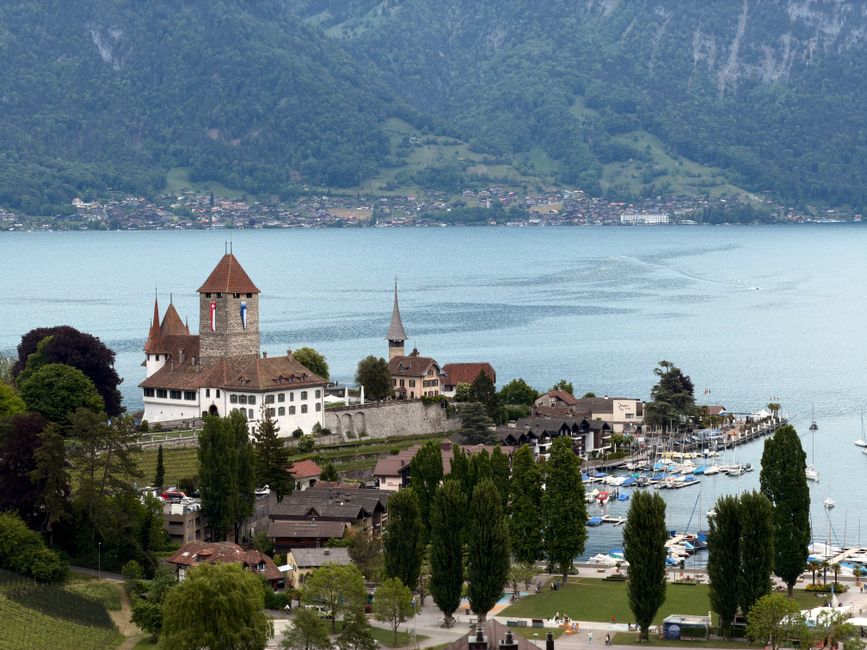
Mistakes to avoid
- Changing hotels every night. Each move costs packing time, checkout time, and a walk to the station. Three bases are enough for this route.
- Booking mountain days too early. Clouds can hide the Matterhorn or Jungfrau. Keep one flexible day and check the webcams before paying for a summit ticket.
- Treating travel time as sightseeing time. A two-hour train ride can be scenic, but it is still a transfer. Do not add another major attraction to the same afternoon.
- Ignoring luggage. Large bags make mountain trains, steep streets, and hotel changes harder. A cabin-size case and a daypack are a better combination.
- Planning only for clear weather. Rain in the valleys can mean snow or cloud at altitude. Keep museums, lake cruises, and old-town walks ready as backup plans.
The change that saves the most time
Book accommodation within a 10-minute walk of each station. This matters more than choosing a hotel with a rooftop view. You can leave early for a mountain excursion, return after dinner, and avoid paying for taxis in towns where walking is faster.
Also, do not force the Matterhorn into a bad-weather day. If Zermatt is covered in cloud, spend the morning on the village trails or visit the Matterhorn Museum. Move the Gornergrat ride to the clearest available morning. The mountain will not reward a rigid schedule.
My strongest recommendation: use three bases, not seven
Where to stay on this route
Spend one night in Zurich, two nights in Lucerne, two nights in Interlaken, and two nights in Zermatt. That is technically four locations, but Zurich functions as an arrival stop rather than a full base. If you land early and want a slower trip, skip the Zurich night and take the train directly to Lucerne.
In Lucerne, stay near the old town or the main station. You will have quick access to lake boats, mountain trains, and evening restaurants. In Interlaken, choose Interlaken Ost if Jungfrau-region day trips are your priority. Choose Interlaken West if restaurants and a livelier town center matter more. In Zermatt, proximity to the station saves energy because the village has slopes and many roads are pedestrian-only.
When to change the route
Replace Zermatt with Bern if you prefer museums, architecture, and a less expensive final stop. Replace Interlaken with Montreux if vineyards, Lake Geneva, and the Lavaux terraces appeal more than alpine hiking. Families with young children may prefer two nights in Lucerne and three in Interlaken, since the region offers short walks, boats, and cable cars with less packing.
The clear winner for first-time mountain scenery is still Interlaken plus Zermatt. They offer different experiences: green valleys and lift-linked villages in one region, then a high alpine landmark in the other.
Switzerland itinerary questions, answered before you book
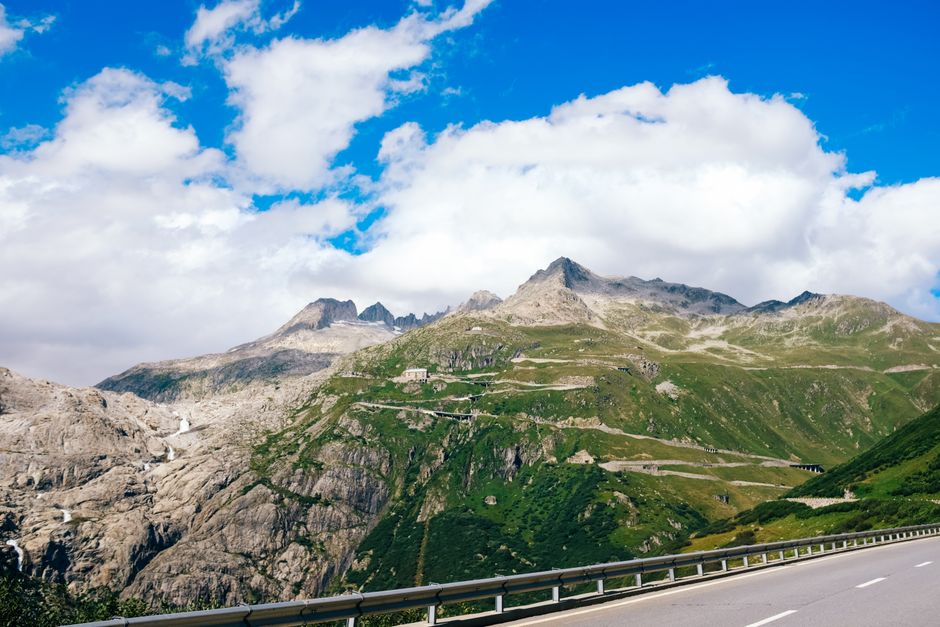
Is seven days enough for Switzerland?
Yes, if you focus on one corridor. Seven days is enough for Zurich, Lucerne, Interlaken, and Zermatt, but not enough for every major region. Add days before adding destinations. An extra night in Interlaken creates room for weather changes and a slower mountain day.
Should you rent a car?
No for this itinerary. Zurich, Lucerne, Interlaken, and Zermatt are linked by trains, and Zermatt does not allow private cars beyond Täsch. A rental car adds parking fees, mountain-road stress, and a separate transfer to the village. Rent one only if you plan a rural route through places such as Appenzell, the Engadin, or small villages away from rail lines.
What is the best month?
For a balance of open lifts, hiking, and manageable crowds, choose late May to June or September to early October. July and August offer the most reliable high-altitude access but bring higher prices and busy trails. December through March is better for skiing and snowy scenery, not for a broad sightseeing itinerary.
A strong Switzerland itinerary is less about collecting landmarks than leaving space for the landscape to change your plan. Keep the route focused, protect one flexible day, and the country becomes easier to enjoy with every train connection.