
Most travelers assume vacation rentals are cheaper than hotels for families. That assumption is wrong more often than right. In 2026, the math has shifted.
Cleaning fees now average $150–$250 per stay on platforms like Airbnb and VRBO. Hotels have added kitchenettes and free breakfast. The old rule — “rent a house, save money” — needs a serious update.
Here is the real breakdown of where each option delivers value for a family of four, and where it doesn’t.
Total Cost Comparison: What You Actually Pay
Sticker price is misleading. A rental listing at $180/night might cost $280/night after fees. Hotels bundle more into the nightly rate.
| Cost Factor | Mid-Range Hotel (e.g., Hampton Inn) | Vacation Rental (e.g., Airbnb 2BR) |
|---|---|---|
| Base rate (7 nights) | $1,050 ($150/night) | $1,260 ($180/night) |
| Cleaning fee | $0 | $200 |
| Service fee | $0 | $126 (10%) |
| Parking (per night) | $15 | $0 (usually free) |
| Breakfast (7 days) | $0 (included) | $140 (groceries) |
| Total | $1,155 | $1,726 |
This example assumes a typical 7-night stay in a mid-tier US city. The hotel wins on total cost by $571.
But that’s not the full picture. A rental with a full kitchen can slash your food bill if you cook every meal. The question is: will you actually cook on vacation? Most families don’t.
When the rental is cheaper
For groups of 6 or more, rentals almost always win. A 3-bedroom house splits the cost across more people. Hotels require multiple rooms at that point.
Also, if you stay 14+ nights, the weekly discount on many rentals eliminates the fee disadvantage. Some hosts offer 20–30% off for monthly bookings.
Space and Privacy: The Real Advantage of Rentals

This is where rentals dominate. A hotel room gives you one room and a bathroom. A rental gives you a living room, separate bedrooms, a kitchen, and often a yard.
For families with young kids, that matters. You can put the kids to bed at 8 PM and still watch a movie in the living room. In a hotel, you sit in the dark whispering.
Noise control
Thin hotel walls mean you hear the family next door. And they hear your toddler’s 6 AM wake-up scream. In a standalone rental, that problem disappears.
Laundry access
Most rentals include a washer and dryer. Hotels either lack them or charge $5 per load. For a 10-day trip, that saves hours of packing and stress.
Verdict: If your family values separate spaces and quiet evenings, a rental is worth the extra cost. If you just need a place to sleep, a hotel does the job for less.
Hidden Fees and Fine Print: What They Don’t Tell You
Both options have traps. Knowing them saves real money.
Hotel fee traps
Resort fees are the biggest. A $200/night hotel might add a $45 “resort fee” for pool access, gym use, and “internet.” That’s $315 extra on a week-long stay. Always check the total with fees before booking.
Some hotels also charge for early check-in or late checkout. Ask at the front desk. Many will waive it if you ask nicely.
Rental fee traps
Cleaning fees are the obvious one. But also check for:
- Pet fees ($50–$150 per stay, even for small dogs)
- Extra guest fees (some hosts charge per person beyond 4)
- Damage deposits held for 14 days after checkout
- Check-in instructions that require a smartphone (no phone = locked out)
Failure mode: Many travelers book a rental thinking it’s cheaper, then discover the cleaning fee alone is $250. That’s a full night at a decent hotel. Always calculate the all-in cost before comparing.
When a Hotel Makes More Sense

Hotels win in three specific scenarios.
Short stays (1–3 nights)
For a weekend trip, the cleaning fee on a rental destroys the value. You pay $200 to have someone clean a place you barely used. A hotel charges zero cleaning fee and you walk out.
City center locations
In dense cities like New York, London, or Tokyo, rentals are often in residential neighborhoods 30 minutes from attractions. Hotels sit right in the action. That time saved adds up fast with kids.
When you want zero responsibilities
Some vacations are about doing nothing. Hotels handle everything: breakfast, towels, trash, cleaning. In a rental, you sweep the floor, take out the trash, and strip the beds before leaving. That’s not a vacation for everyone.
Verdict: For a 3-night city trip with two kids, book a Marriott Residence Inn or Homewood Suites. Both include kitchenettes and free breakfast, bridging the gap between hotel convenience and rental space.
When a Vacation Rental Wins
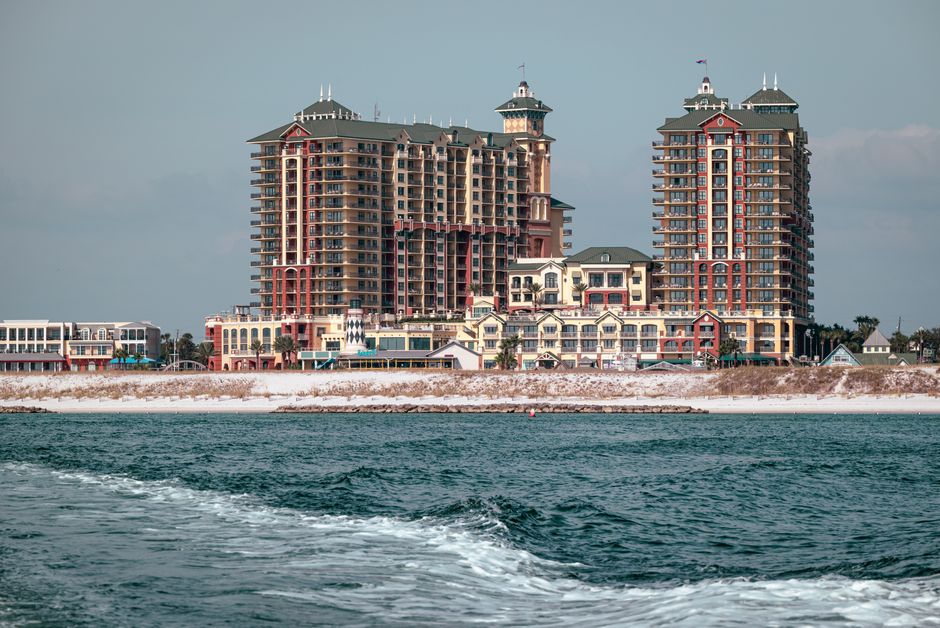
Rentals are the better choice in these situations.
Multi-family trips
Two families sharing a 4-bedroom house costs less per family than two hotel rooms. Plus you get a shared kitchen and living area for group meals and hangouts.
Long stays (7+ nights)
The weekly discount on many rentals brings the nightly cost down significantly. Hosts prefer longer bookings and often lower rates. Hotels rarely negotiate on longer stays.
Rural or beach locations
In places like the Outer Banks or Lake Tahoe, rentals dominate. Hotels are scarce and expensive. A beach house with a private deck and grill beats any hotel balcony.
Verdict: For a 10-day beach trip with extended family, a VRBO or Airbnb rental is the clear winner. Look for properties with at least 4.5 stars and 20+ reviews to avoid duds.
The best choice depends on your trip length, group size, and how much cooking you actually plan to do. Calculate the all-in cost, not the nightly rate. That one number tells you everything.