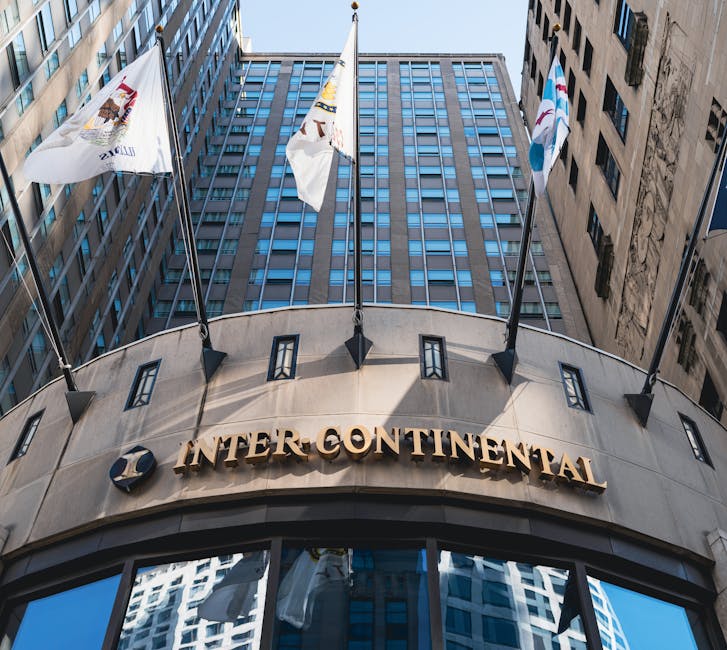
Securing a good hotel deal in Chicago often feels like a puzzle, with prices fluctuating wildly based on the season, events, and even the day of the week. This guide cuts through the noise, detailing the actual methods that lead to genuine savings, based on a deep dive into booking patterns and market dynamics.
The Best Times to Visit for Value
Timing your trip to Chicago is arguably the single most impactful factor in finding affordable hotel rates. The city’s tourism peaks during summer and major event weekends, naturally driving prices upwards. Understanding these cycles allows for strategic planning that can save hundreds of dollars on accommodation.
Winter Discounts vs. Summer Premiums
Chicago’s winter, from November through March, is consistently the period with the lowest hotel rates. Average daily rates can drop by 30-50% compared to peak summer months. This is especially true in January and February, when the weather is coldest and major conventions are sparse. While the city certainly embraces winter with attractions like McCormick Tribune Ice Rink in Millennium Park, the overall tourist volume decreases significantly. A standard room at a Loop hotel that might cost $300 in July could easily be found for $150-$180 during these off-peak winter weeks. Conversely, summer (June-August) sees the highest prices. Expect to pay a premium for popular areas like River North and the Magnificent Mile. The demand for Chicago hotels in these months is driven by pleasant weather, outdoor festivals, and family vacations.
Avoiding Major Conventions and Events
Conventions and large-scale events are silent hotel price inflators. Organizations like McCormick Place frequently host massive gatherings, and these can book out thousands of hotel rooms across the city, causing rates to surge even during what might otherwise be a shoulder season. For example, events like Lollapalooza in late July/early August, the Chicago Marathon in October, or major medical conventions can make finding an affordable room virtually impossible. It’s crucial to check Chicago’s event calendar before finalizing travel dates. Websites like Choose Chicago or the McCormick Place event schedule provide comprehensive listings. If your dates coincide with a major event, consider shifting your trip by a few days, or broadening your hotel search to less central neighborhoods that are less affected by convention demand, such as Lincoln Park or Hyde Park. The impact of a large convention can sometimes extend to suburbs, so checking demand across the metropolitan area is a smart move.
Shoulder Seasons: The Smart Compromise
For those who want to avoid extreme winter cold but still seek value, the shoulder seasons—April-May and September-October—present an excellent compromise. The weather is generally pleasant, and while prices are higher than in winter, they are noticeably lower than in summer. Early spring sees the city waking up, with attractions reopening and outdoor dining becoming an option. Late fall offers beautiful foliage and fewer crowds than summer. This is often when hotel brands like Marriott or Hilton might offer promotional rates to entice travelers before the full rush of summer or the deep quiet of winter. It’s a sweet spot for experiencing Chicago’s vibrant culture without the peak-season price tag.
Unpacking Booking Site Strategies

Navigating the myriad of booking platforms requires a structured approach. Simply defaulting to the first search result rarely yields the best deal. Different types of sites serve different purposes, and a combination of tactics often uncovers hidden value.
-
Official Hotel Sites: Loyalty Benefits and Direct Deals
Always check the official website of hotel chains like Hyatt, Hilton, or Marriott. Many believe Online Travel Agencies (OTAs) always offer lower prices, but this isn’t universally true. Hotel chains frequently run “member-only” rates that are competitive with, or even better than, OTA prices, especially for those enrolled in their free loyalty programs (e.g., Marriott Bonvoy, Hilton Honors). Beyond price, booking direct often comes with perks like free Wi-Fi, easier modifications to reservations, and better chances for room upgrades. Loyalty program members also earn points, which can be redeemed for future stays, effectively reducing your overall travel costs over time. Some brands also offer direct-booking guarantees, promising to match or beat any lower price found elsewhere, provided the terms are identical.
-
Online Travel Agencies (OTAs): The Broad Search
Platforms such as Booking.com, Expedia, and Hotels.com are essential for casting a wide net. They aggregate a vast number of hotels, from major chains to independent boutique establishments, offering a convenient overview of available options and initial price comparisons. OTAs are particularly useful for finding deals on independent hotels that might not have a strong direct marketing presence. They also often feature package deals (flight + hotel) that can sometimes offer significant savings over booking each component separately. However, be mindful of their cancellation policies, which can sometimes be more rigid than direct bookings. Always read the fine print regarding refunds and changes.
-
Metasearch Engines: Price Comparison Power
Sites like Kayak, Google Hotels, and Trivago don’t sell rooms directly; instead, they pull prices from various OTAs and official hotel websites, presenting them in a single, easy-to-compare format. This eliminates the need to open multiple browser tabs and manually compare prices. They are incredibly powerful tools for confirming that you’re getting the absolute best rate for a specific hotel on a specific date. After identifying the lowest price, the metasearch engine will redirect you to the booking site offering that rate. This strategy is best employed after you’ve narrowed down a few preferred hotels, allowing you to ensure you’re getting the optimal booking channel.
-
Patience and Price Tracking
Hotel prices are dynamic. They can change multiple times a day based on demand, inventory, and even competitor pricing. Some booking sites and metasearch engines offer price tracking features, alerting you via email if the price for a specific hotel or date range drops. Setting up these alerts can pay off, particularly if you’re booking several months in advance. Similarly, if your chosen reservation has a flexible cancellation policy, it’s worth rechecking prices periodically. If the rate drops, you can cancel your original booking and rebook at the lower price, assuming no cancellation fees apply.
Neighborhoods Offering Unexpected Savings
Do not limit your Chicago hotel search to the immediate Loop or Magnificent Mile areas if budget is a primary concern. While these central districts offer unparalleled convenience to major attractions, their popularity translates directly into higher prices. Venturing slightly outside these prime tourist zones can reveal significantly better value without sacrificing access to the city’s highlights. Public transportation in Chicago is efficient, making it easy to commute from a slightly further-out neighborhood.
Lincoln Park: North Side Charm
North of downtown, Lincoln Park offers a vibrant, residential feel with excellent dining and cultural attractions, including the Lincoln Park Zoo (free entry) and the Peggy Notebaert Nature Museum. Hotels here, while less numerous than in the Loop, often present a better nightly rate, especially during peak seasons. You might find boutique hotels or smaller chains with more character. The neighborhood is well-connected to downtown via the CTA Red and Brown Lines, with a typical train ride to the Loop taking about 15-20 minutes. Expect to pay anywhere from $100-$200 for a quality room, depending on the season and specific hotel, which can be a substantial saving over central Chicago options.
West Loop: Emerging Hospitality
Once an industrial area, the West Loop has transformed into a culinary hotspot and a burgeoning hotel district. It’s home to some of Chicago’s most acclaimed restaurants on Randolph Street’s "Restaurant Row." While some luxury hotels are establishing a presence, you can still find more competitively priced options, including newer, design-focused hotels that cater to a savvy traveler. It’s a fantastic choice for foodies and those looking for a lively, less tourist-centric atmosphere. Access to the Loop is quick and easy via the CTA Green and Pink Lines, often just a 5-10 minute ride. Hotel rates here can range from $130-$250, offering a distinct blend of modernity and value.
South Loop: Convenient, Less Touristy
The South Loop, particularly around Roosevelt Road and Michigan Avenue, offers a compelling balance of convenience and affordability. It’s within walking distance or a very short bus/train ride to attractions like the Field Museum, Shedd Aquarium, and Adler Planetarium (collectively known as Museum Campus). Soldier Field is also nearby. Hotels in this area tend to be slightly less expensive than those north of the river, as the immediate "tourist action" is not as intense. You’ll find a mix of larger chain hotels and some extended-stay options, which can be great for longer trips. Public transport via multiple CTA lines is readily available. A typical hotel room here might cost $120-$220, representing good value for its proximity to key sights.
Loyalty Programs vs. One-Off Deals

Deciding whether to commit to a hotel loyalty program or continuously chase the lowest one-off deal is a fundamental choice for budget-conscious travelers. Each approach has distinct advantages and disadvantages, and the "best" option often depends on your travel frequency and preferences.
| Feature | Hotel Loyalty Programs (e.g., Marriott Bonvoy, Hilton Honors) | Chasing One-Off Deals (e.g., via OTAs, Metasearch) |
|---|---|---|
| Price Consistency | Often guarantees competitive member rates, sometimes lowest available. | Highly variable, depends on current market conditions and promotions. |
| Additional Perks | Free Wi-Fi, late checkout, upgrades, breakfast, elite status benefits. | Typically none beyond the room itself. |
| Flexibility/Cancellations | Generally more flexible cancellation policies, easier modifications. | Can be restrictive; non-refundable rates are common for lowest prices. |
| Earning & Redemption | Earn points for free nights, experiences. Value varies by program. | No points earned for future stays (unless through specific credit cards). |
| Customer Service | Direct line to hotel/brand, often better resolution for issues. | Mediated through OTA, can be slower or more complex. |
| Best For | Frequent travelers, brand loyalists, those valuing perks and consistency. | Infrequent travelers, those prioritizing absolute lowest price regardless of brand or perks. |
Evaluating Program Tiers
Most major hotel chains structure their loyalty programs with tiers (e.g., Silver, Gold, Platinum). Higher tiers, achieved through frequent stays or co-branded credit cards, unlock increasingly valuable benefits. For example, a Hilton Honors Gold member might receive free breakfast and room upgrades, significantly enhancing the value of their stay even if the base room rate isn’t the absolute lowest. Marriott Bonvoy’s Platinum Elite status often includes lounge access, providing complimentary food and beverages. These "soft benefits" can easily outweigh a marginal difference in nightly rate found through an OTA. The key is to assess how often you’ll stay with a particular brand or alliance (like World of Hyatt and its partners) and if the accumulated benefits will genuinely enhance your travel experience and provide long-term savings.
Last-Minute vs. Advance Booking: A Verdict
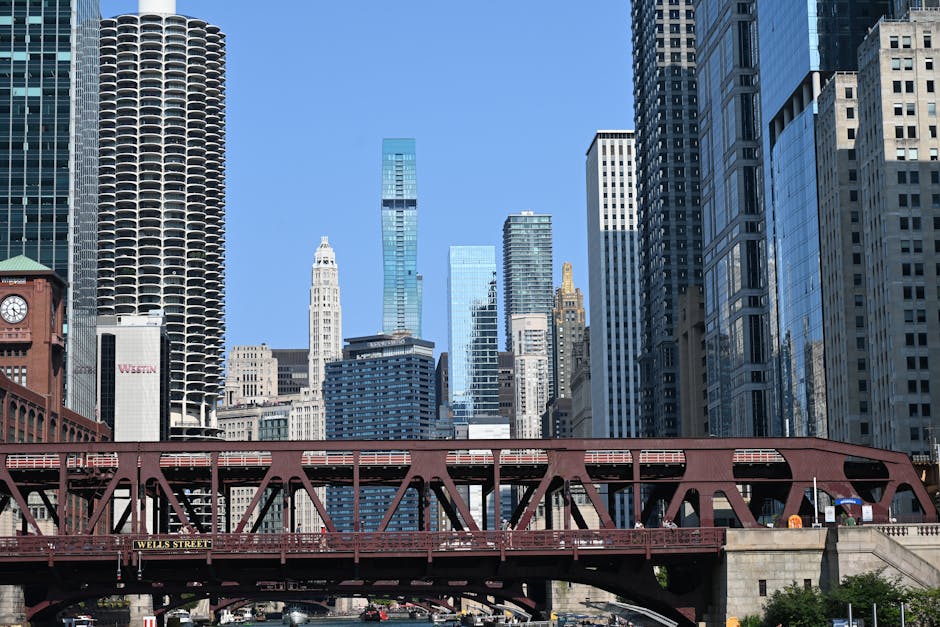
For Chicago hotels, booking well in advance (3-6 months out) generally yields the best results, especially if your travel dates are during popular seasons or major events. While occasional last-minute deals might appear if a hotel has unsold inventory, these are rare for desirable properties in prime locations and carry significant risk. Reliable savings come from foresight, allowing you to lock in rates before demand-driven price increases and providing ample time to track prices for potential drops.