I’ve spent over 14 weeks traveling Mexico across 8 separate trips — from the high-altitude colonial cities to the humid jungles of Chiapas. Most “best of” lists are written by someone who spent a week in Tulum and called it a day. Mine isn’t. I’ve missed flights, eaten street food that punished me, and stood in enough ruins to know which ones justify the entrance fee. Here’s what I’d tell a friend.
Oaxaca City: The Food Capital Nobody Talks About Enough
Most tourists skip Oaxaca. That’s a mistake. This city has the best food in Mexico — not up for debate. You’ll find seven types of mole (try mole negro at Restaurante Los Pacos), tlayudas the size of your torso, and chapulines (grasshoppers) that taste like chili-lime peanuts.
The real draw is the Mercado de Abastos. It’s chaotic, loud, and smells like roasted corn and dried chiles. Go early — 8 AM — before the heat hits. Buy a bag of dried pasilla chiles for $2 USD. Bring cash; no cards accepted.
Monte Albán vs. Hierve el Agua — pick one
Monte Albán is the Zapotec ruin site 20 minutes from town. It’s massive, mostly unexcavated, and costs $75 MXN (about $4 USD). The view over the valley at sunset is worth the entry alone. Hierve el Agua is a petrified waterfall you can swim in — but it’s 2 hours each way by colectivo ($3 USD). If you only have one day, pick Monte Albán. The petrified waterfalls look better in photos than they feel in person.
Where to stay and what to pay
Budget: Hotel Azucenas — $25 USD/night, basic but clean, 3 blocks from the zócalo. Mid-range: Casa de las Bugambilias — $65 USD/night, includes breakfast on a rooftop terrace. Avoid the hostels near the bus station; they’re loud and the sheets feel like sandpaper.
Yucatán Peninsula: The Ruins Are Worth It, But Skip Chichén Itzá at Noon
Chichén Itzá is impressive — the main pyramid, El Castillo, is 30 meters tall and perfectly aligned for equinox shadows. But if you arrive at 11 AM with the bus crowds, you’ll queue for 40 minutes in 35°C heat. Go at 8 AM sharp. Entry is $571 MXN ($30 USD). Bring water. There’s no shade.
Better ruins, in my opinion: Uxmal (less crowded, more intricate carvings, $413 MXN) and Ek Balam (you can still climb the main pyramid, $413 MXN). Ek Balam’s view from the top is stunning — you see jungle all the way to the horizon.
When to skip Tulum entirely
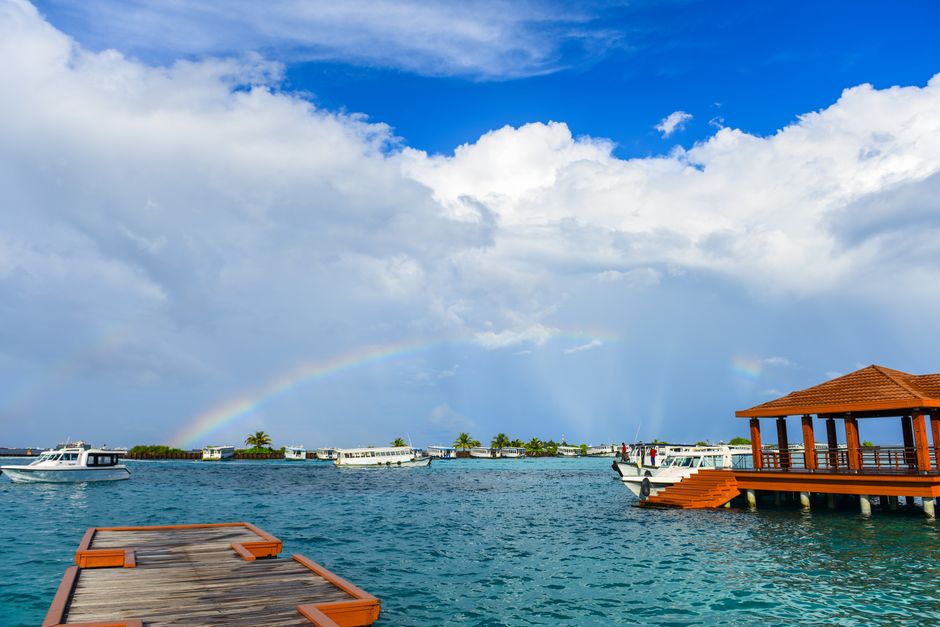
Tulum’s beach ruins are photogenic. But the town has become a $15-green-juice-and-instagram-filter nightmare. If you want beautiful Caribbean water without the crowd, go to Isla Holbox. No cars. Sand streets. Bioluminescent plankton at night. It’s a 2-hour ferry from Chiquilá ($8 USD one way). Rent a golf cart for $40 USD/day — the only way to get around.
Budget breakdown for a week in Yucatán
| Item | Cost (USD) | Notes |
|---|---|---|
| Hostal (7 nights) | $140 | Dorm bed in Mérida |
| Chichén Itzá entry | $30 | One-time fee |
| Uxmal entry | $22 | Worth every peso |
| Food (street eats) | $7/day | Tacos, panuchos, fruit |
| Colectivo transport | $3-5 per trip | Between towns |
| Total per week | $250-300 | Very doable |
That’s for one person, eating well, seeing the top sites. You can do cheaper if you cook your own meals or camp (yes, some cenotes allow camping for $10/night).
Mexico City: Overwhelming, Loud, and Absolutely Worth It
I’ve been to CDMX four times. It’s huge — 21 million people — and the traffic is soul-crushing. But the museums are world-class. The Museo Nacional de Antropología holds the Aztec Sun Stone (24 tons, carved in 1479) and takes a full day to see properly. Entry is $90 MXN ($5 USD). Free on Sundays.
The mistake most tourists make: trying to do too much. Pick one neighborhood per day. Coyoacán (Frida Kahlo’s house, $13 USD entry) is a full day. Roma/Condesa (parks, cafes, street art) is another. Don’t try to see Chapultepec Castle, the anthropology museum, AND Xochimilco in one day — you’ll burn out by 3 PM.
Safety in CDMX — the real talk
Is it dangerous? Yes, in specific areas. Iztapalapa and Tepito have high crime rates — don’t go there. But Condesa, Roma, Polanco, and Coyoacán are as safe as any European city at night. Keep your phone in your front pocket. Don’t wear flashy jewelry. Use Uber (not street taxis) after dark. I’ve never had a problem, but I’ve also never been careless.
Where to eat without spending $50
El Huequito — 6 locations, best al pastor tacos in the city, $1.50 each. Mercado Roma — food hall with 30+ stalls, $8 for a full meal. Pujol is famous but costs $100+ per person — skip it unless you have cash to burn. Instead, go to Quintonil (similar quality, $60 per person) or Lalo! (casual, $15 for a tasting menu).
Guanajuato: The Most Beautiful City You’ve Never Heard Of
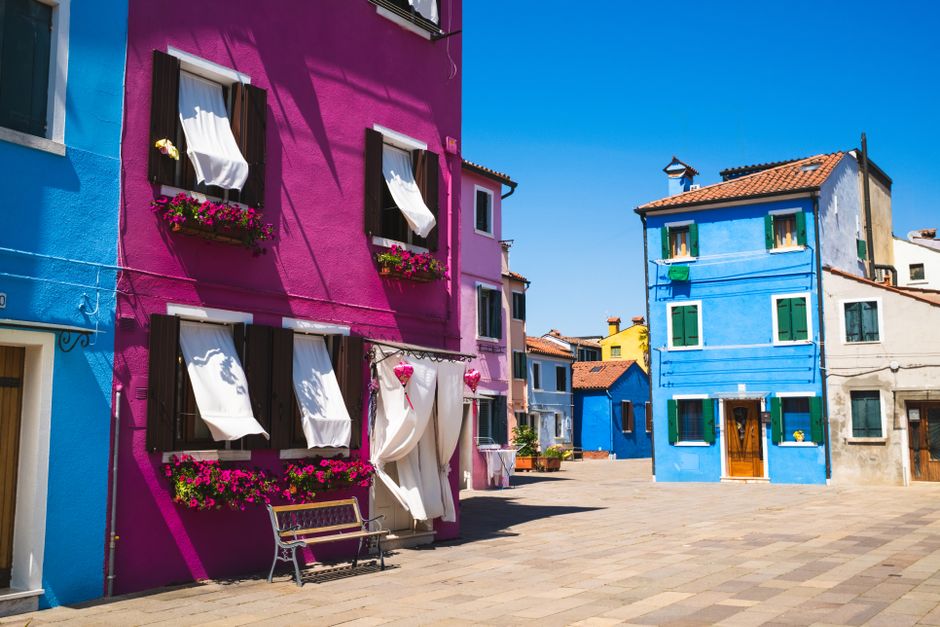
Guanajuato is built into a ravine. Houses climb the hillsides in every color — pink, yellow, blue. The streets are tunnels, and the main square (Jardín de la Unión) is ringed by restaurants playing live music. It’s small. You can walk the entire historic center in 3 hours. But you’ll want to stay 3 days.
The Museo de las Momias is morbid and fascinating — 100+ naturally mummified bodies from a cholera outbreak, displayed in glass cases. Entry is $85 MXN ($4.50 USD). Not for kids under 12. The Pípila monument gives a panoramic view of the city — take the funicular ($2 USD round trip) or hike 20 minutes up the hill.
The one thing to skip
The Alhóndiga de Granaditas museum is historically important (it’s where the Mexican independence movement started) but the exhibits are dry — mostly documents and portraits. Spend your time walking the alleys instead. Callejón del Beso (Alley of the Kiss) is a 10-minute photo stop. That’s all you need.
Best time to go
October to November, during the Festival Cervantino. It’s Mexico’s biggest arts festival — street performers, concerts, theater. Hotels double in price, but the atmosphere is electric. Book 3 months ahead. If you want quiet, go in February. The weather is mild (22°C daytime, 10°C at night) and the crowds are thin.
Chiapas: Raw, Rugged, and Not for Everyone
Chiapas is Mexico’s poorest state, and it shows. Infrastructure is basic. Roads are winding and slow. But it has the most dramatic landscapes in the country. Palenque ruins sit in thick jungle — you’ll hear howler monkeys while you walk through temples. Entry is $490 MXN ($26 USD). Hire a guide at the gate ($20 USD for 2 hours) — they explain the Mayan carvings in detail.
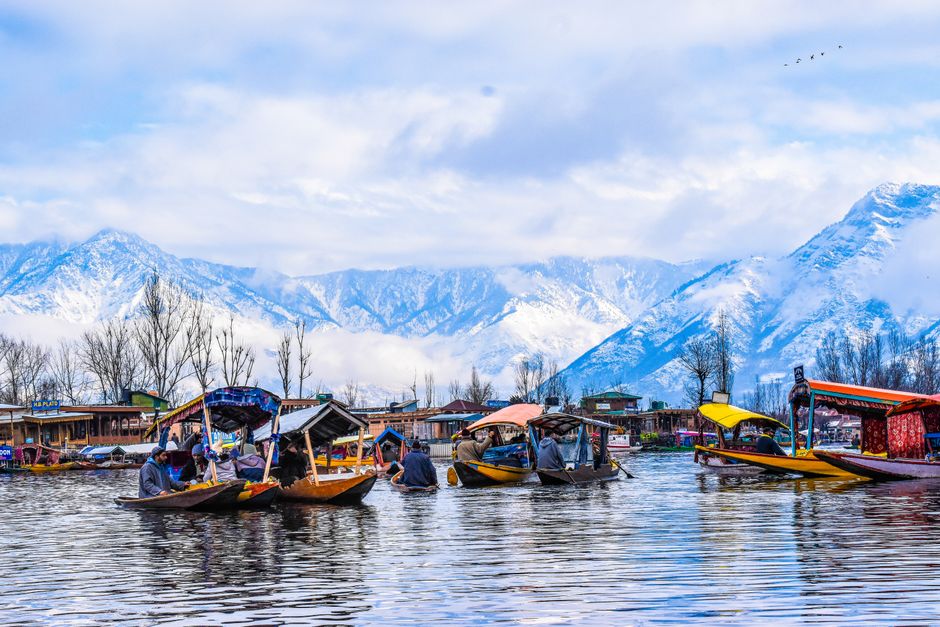
Sumidero Canyon is a 35km-long gorge with 1,000-meter walls. Take a boat tour ($15 USD per person, 2 hours). You’ll see crocodiles, spider monkeys, and maybe a jaguar if you’re lucky. Don’t take the cheap tour that skips the middle section — that’s where the wildlife is.
San Cristóbal de las Casas — the highland gem
This town sits at 2,200 meters. It’s cold at night — pack a jacket even in summer. The Mercado de Artesanías sells handmade textiles (wool blankets, embroidered blouses) for $10-30 USD. Bargain hard — start at half the asking price. The Cañón del Sumidero day trip from San Cristóbal takes 6 hours. Do it early to avoid afternoon thunderstorms.
When NOT to visit Chiapas
June to August. It rains every afternoon. Roads flood. Palenque’s ruins get slippery and muddy. Go between November and March for dry weather. Also: if you’re on a tight schedule (less than 5 days), skip Chiapas entirely. The travel times between sites are punishing — Palenque to San Cristóbal is 5 hours by bus, and that’s on a good day.
San Miguel de Allende: The Gringo Trap That’s Actually Worth It
I was skeptical. San Miguel is expensive, full of American retirees, and the art scene feels manufactured. But I was wrong. The colonial architecture is stunning — the Parroquia de San Miguel Arcángel’s pink sandstone facade is unlike anything else in Mexico. The Fabrica La Aurora (a converted textile factory, now an art gallery complex) has 30+ studios where you can watch artists work. Free entry.
The Mercado de Artesanías on Calle de la Recreo sells local silver jewelry and leather goods. A hand-tooled leather belt costs $25 USD — half what you’d pay in the US. Bargain politely; most vendors speak some English.
The hot springs are the real draw
Outside town, La Gruta Spa has thermal pools in a cave. Entry is $15 USD. Go on a weekday — weekends are packed with families. Escondido Place is quieter, with five pools at different temperatures (34°C to 40°C). Bring your own towel; rentals cost $3.
One honest warning: San Miguel is not budget-friendly. A decent meal costs $15-20 USD. Accommodation averages $80-120 USD/night. If you’re backpacking on $30/day, skip this town and go to Guanajuato instead — similar beauty, half the price.
My final verdict after 8 trips
If you have two weeks: start in Mexico City (4 days), fly to Oaxaca (3 days), bus to Palenque (2 days), then Mérida (3 days) with a day trip to Uxmal. That’s a loop that covers food, ruins, and culture without wasting time on Tulum’s overpriced beach clubs. Book your internal flights early — Mexico’s budget airlines (Volaris, VivaAerobús) charge $30-60 one-way if you book a month ahead, but $150+ at the last minute.