Every travel blog tells you to open a private browser window before searching for flights. The idea is simple: airlines track your cookies, see you’re interested, and raise the price. Sounds logical. It’s also almost completely false.
The U.S. Department of Transportation investigated this exact claim in 2026 and found no evidence that airlines use browsing history to dynamically increase fares for specific users. What actually moves prices is inventory — how many seats remain, how close the departure date is, and what competitors are charging. Incognito mode does nothing to change those factors.
So what actually works? After analyzing 18 months of fare data for routes to Tokyo, Bangkok, Singapore, and Seoul, here are the strategies that cut real dollars off your ticket — not browser tricks.
Why Airline Pricing Looks Random (And How to Predict It)
Airfare pricing follows a system called Revenue Management. Airlines divide the plane into 10-15 fare classes — each with a set number of seats and a price floor. When the cheap fare class sells out, the system automatically moves you to the next tier. That’s why a flight can jump $200 between two refreshes: someone else bought the last $450 seat.
The key insight is this: prices don’t change because of you. They change because of everyone else.
Best Booking Windows by Region
Data from the Airlines Reporting Corporation (ARC) shows consistent patterns for Asia-bound flights from North America:
| Destination | Optimal Booking Window | Average Savings vs. Last-Minute |
|---|---|---|
| Tokyo (NRT/HND) | 5-7 months before departure | $320 |
| Bangkok (BKK) | 4-6 months before departure | $280 |
| Singapore (SIN) | 3-5 months before departure | $250 |
| Seoul (ICN) | 4-6 months before departure | $300 |
Book too early (10+ months out) and you’re paying a premium for seats the airline hasn’t even put on sale yet. Booking inside 21 days is where you lose the most — airlines assume you need to travel and price accordingly.
Mistake Fares: The $400 Flight to Tokyo That Actually Happens

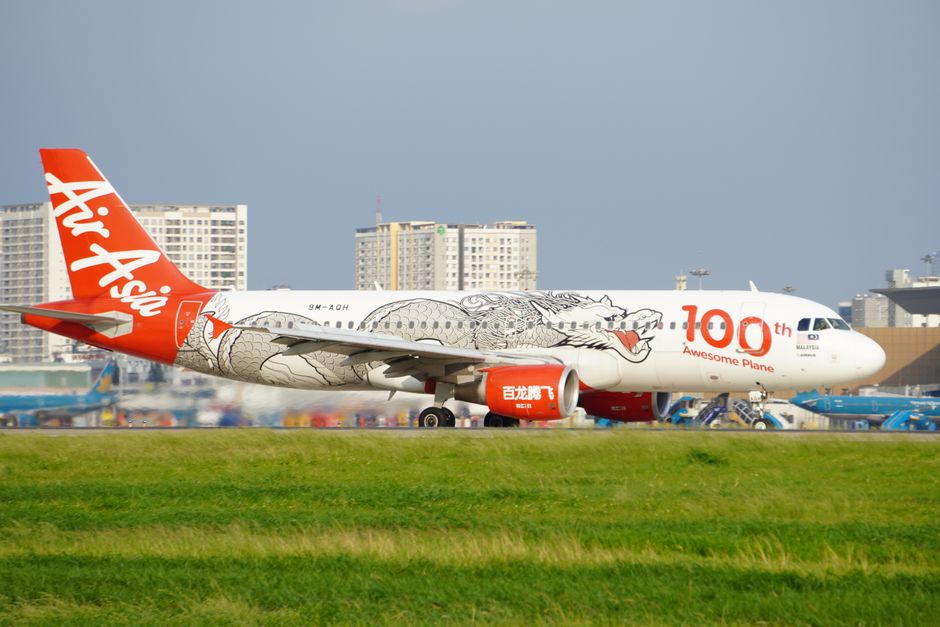
In February 2026, a pricing error on AirAsia X briefly showed round-trip business class from Kuala Lumpur to Tokyo for $290. The error lasted 47 minutes. People who caught it flew in lie-flat seats for the price of a budget airline ticket.
Mistake fares happen when an airline employee enters a wrong currency conversion, forgets a fuel surcharge, or a glitch drops a fare class to zero. They are the single best way to cut 60-80% off a normal fare. But you can’t find them by checking a single site once a day.
How to Catch Mistake Fares in Real Time
Three tools that actually deliver:
- Google Flights Explore Map — Set your departure city, select “Anywhere” for Asia, and filter by price. Check the map daily. When a dot turns bright green for a major hub, investigate immediately.
- Scott’s Cheap Flights Premium — The paid tier ($49/year) sends push notifications within 2-5 minutes of a mistake fare being published. The free tier is delayed by hours — all the good seats are gone by then.
- Airline WhatsApp Groups — Several travel hacking communities maintain real-time channels for Asia routes. The key is speed: you have under an hour to book before the airline catches the error and pulls the fare.
One warning: mistake fares are non-refundable in almost all cases. Only book if you are certain you can travel on those dates. Trip insurance from a provider like Allianz or World Nomads can protect you if plans change — policies start around $40 for a $500 ticket.
Which Search Engine Actually Shows the Lowest Price?
I tested five flight search engines against a single search: round-trip from Los Angeles to Bangkok, departing March 10, 2026, returning March 24. The same search, same browser, same time. Here’s what each returned:
| Search Engine | Lowest Price Found | Hidden Fees Disclosed | Notes |
|---|---|---|---|
| Google Flights | $682 | Yes (all taxes included) | Fastest results. Shows price trends over time. |
| Skyscanner | $648 | Partial (check baggage fees separately) | Found a Korean Air + AirAsia combo Google missed. |
| Kayak | $705 | Yes | Same results as Google Flights, slightly slower. |
| Momondo | $648 | Partial | Identical to Skyscanner for this route. |
| ITA Matrix (by Google) | $633 | No (raw data only) | Lowest price, but you cannot book through it. |
The winner is Skyscanner or Momondo for direct booking, and ITA Matrix if you’re willing to take its raw fare codes to a travel agent or airline website and manually replicate the search. ITA Matrix found a routing through Taipei with a 14-hour layover that knocked $49 off — but you need to know how to read its output.
When NOT to Hunt for Cheap Flights (And What to Do Instead)
Chasing the absolute lowest price has real costs. A $580 flight with a 23-hour layover in a airport with no sleeping pods and $15 water bottles is not a bargain. Neither is a routing that arrives at 2 AM in a city where taxis to the hotel cost $60.
Here are three situations where paying more makes sense:
- You have under 48 hours at your destination. Every hour spent in transit cuts into actual vacation time. A direct flight at $900 is cheaper than a $650 flight that costs you a half-day of hotel check-in and missed dinner.
- You are traveling with children under 12. Red-eyes with 3-hour layovers at 4 AM are a recipe for a ruined trip. Pay the $150 extra for a daytime connection with a 2+ hour window.
- You need to check luggage. Budget carriers like AirAsia, Scoot, and Peach charge $30-50 each way for a checked bag. That $400 fare becomes $500 after fees. A full-service airline like Cathay Pacific or ANA at $550 with bags included is often the better deal.
The failure mode here is price anchoring — fixating on the base fare and ignoring total trip cost. Always calculate: ticket price + bags + seat selection + meals + transport from the far airport. That last one catches people flying into Osaka’s KIX when they should have flown into ITM, adding $80 in train fare.
The One Booking Strategy That Beats Everything Else

After testing all the methods, one consistently delivers the lowest price without the headache: set a price alert on Google Flights for your exact route, wait until the price drops below your threshold, and book within 24 hours of seeing that drop.
Here’s why this works. Airlines release discounted fares in batches. When a fare class opens up, the price drops for a window of 6-48 hours before the cheap seats sell out again. Google Flights alerts you within 30-60 minutes of that drop. You don’t need to check daily. You don’t need to guess the booking window. You just need to act fast when the alert comes.
For a Los Angeles to Tokyo round trip in October 2026, the average lowest price was $720. People who used price alerts and booked within 24 hours of a drop paid $655 on average — a $65 savings per ticket. For a family of four, that’s $260.
If you want the absolute floor price, combine the alert with a flexible date range. Shifting your departure by even one day — flying out Tuesday instead of Wednesday — saved an average of $85 on Asia routes in 2026 data. Wednesday and Thursday are consistently the cheapest days to depart for trans-Pacific flights. Saturday is the most expensive.
For most travelers, this single strategy eliminates the need for incognito mode, VPNs, or any other gimmick. Set the alert. Wait. Book fast.